Control and Joseph Pilates’ Concept of Contrology
Why Joseph Pilates Called His Method Contrology
Before the method became widely known by its creator’s surname, Joseph Pilates called it Contrology.
The name tells us something important about his intention. Pilates was not meant to be a series of movements performed casually, mechanically, or through momentum. The mind was expected to direct the body, and the practitioner was expected to remain responsible for the movement from beginning to end.
Joseph Pilates described his work as a means of coordinating the body and mind. His philosophy appeared in Your Health and later in Return to Life Through Contrology, where he presented the method as a complete approach to physical development rather than a collection of isolated exercises.
Control is therefore not simply one Pilates principle among many. It is woven into the name and structure of the method itself.
Control Does Not Mean Rigidity
The word control can sound severe.
It may suggest holding the body tightly, limiting movement, or trying to place every joint in a perfect position. But rigidity is not the goal of Classical Pilates.
True control allows movement.
A controlled body can lengthen, bend, rotate, extend, balance, and respond to changing demands without becoming disorganized. The movement may be strong and dynamic, but it does not become careless.
Rigidity often indicates that the body is substituting tension for control. The student may grip the hips, lock the knees, lift the shoulders, or hold the breath in an attempt to feel secure.
Contrology asks for something more sophisticated: stability without stiffness and freedom without collapse.

Control Begins Before the Exercise
An exercise does not begin with its largest or most recognizable movement. It begins with the setup.
Where are the hands and feet placed? How is the body organized in relation to the apparatus? Are the springs appropriate? Is the student prepared to move with attention?
The starting position establishes the conditions for everything that follows. When the body is poorly organized at the beginning, the student may spend the rest of the exercise trying to recover the connection that was missing from the start.
The ending matters too. The final repetition should be completed with the same attention as the first. The carriage returns with control, the body settles into the finishing position, and the student transitions deliberately into what comes next.
In Classical Pilates, control is present not only during the exercise itself, but in how the student enters it, completes it, and moves on.
Controlling the Springs
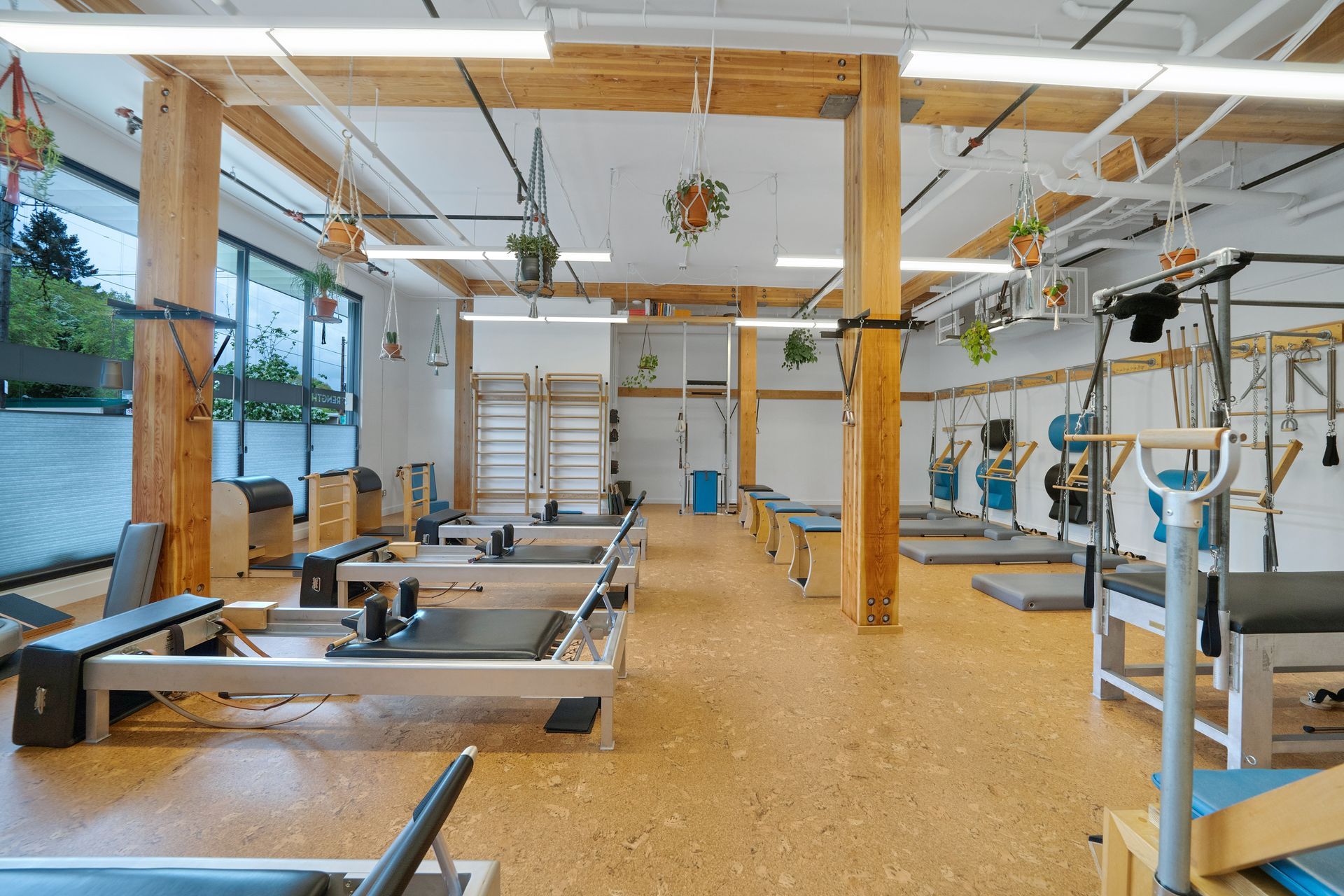
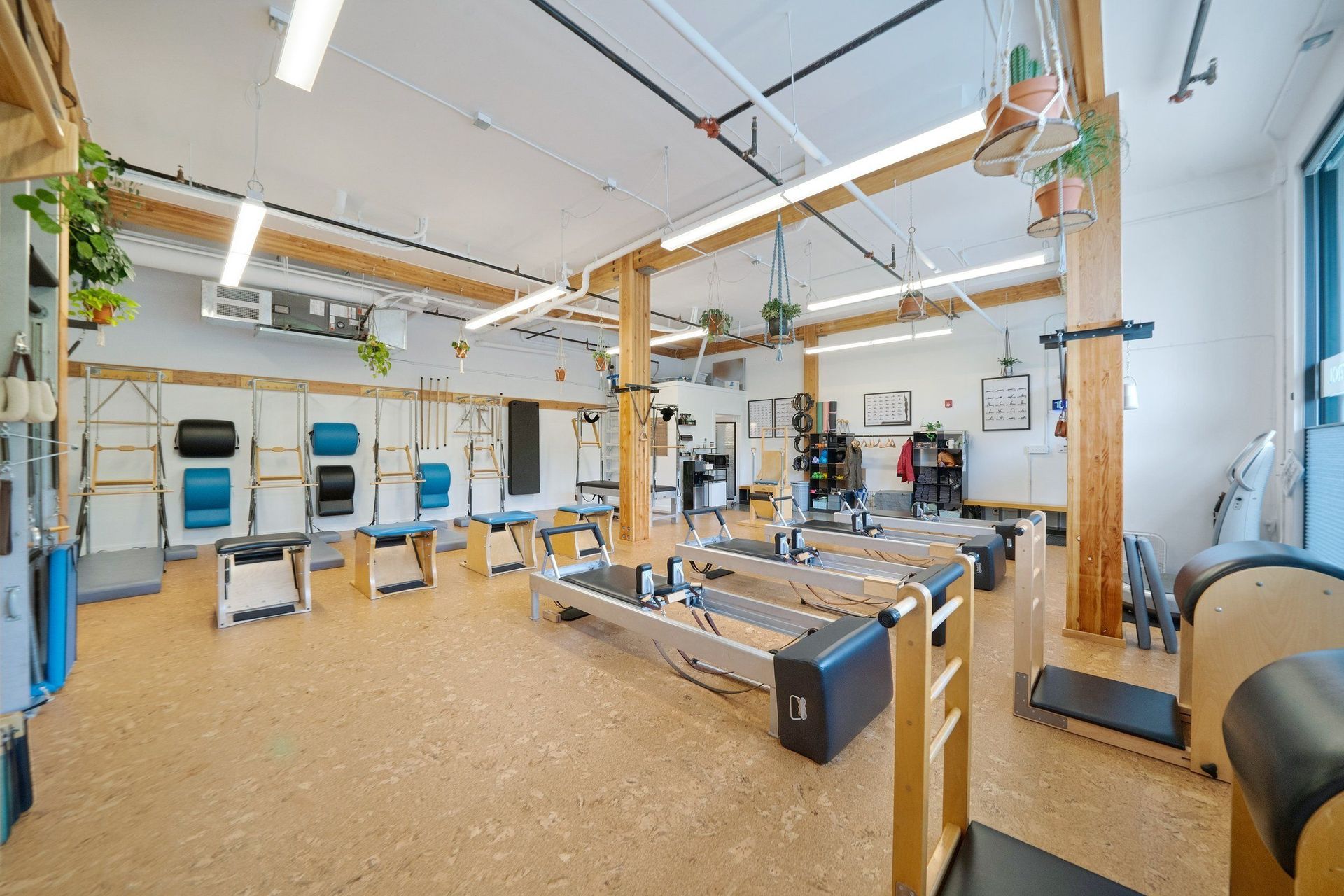
The springs of the Pilates apparatus make the idea of control tangible.
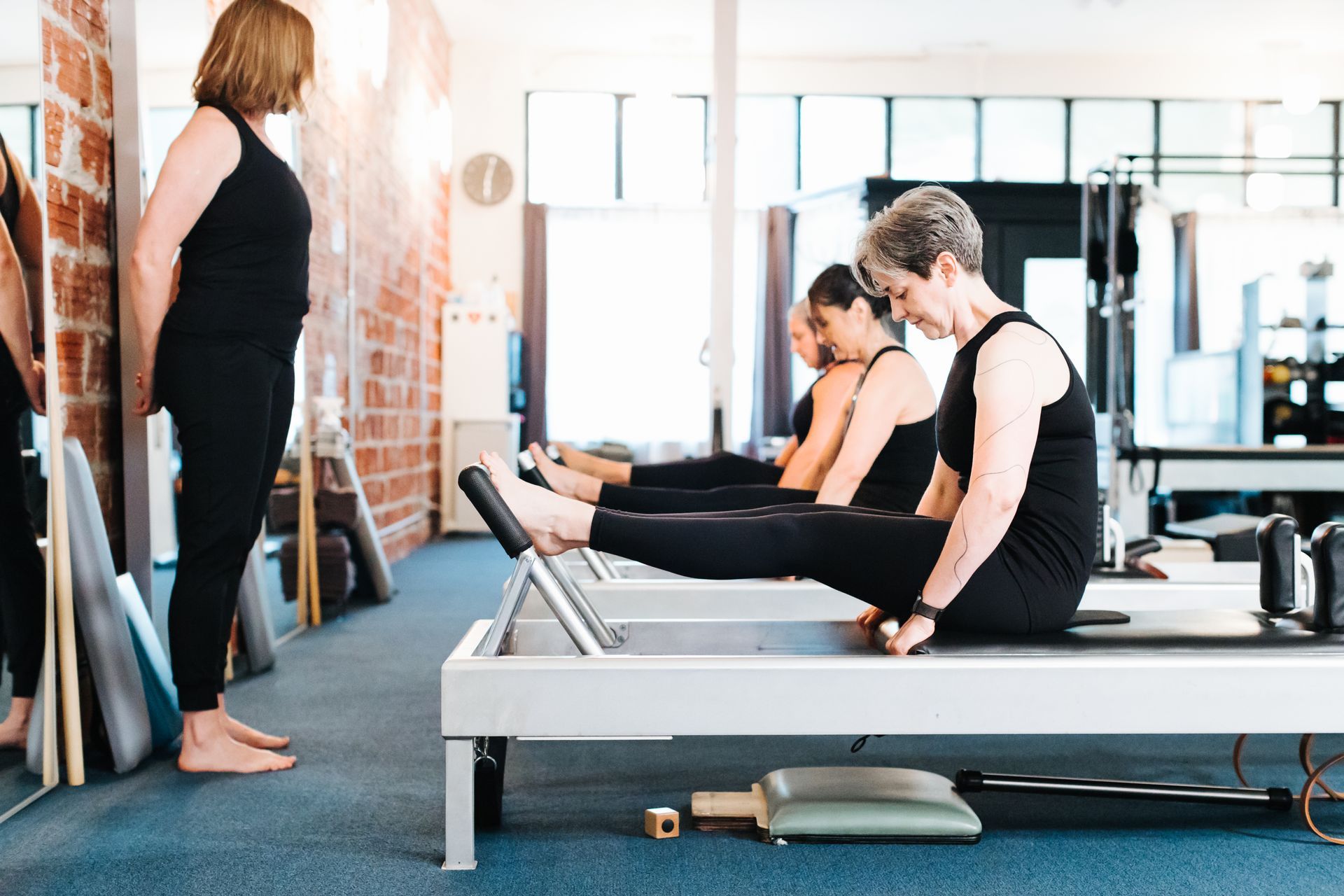
When you press the carriage away on the Reformer, the springs resist the movement. When you return, the springs pull the carriage inward. Both directions require attention.
Students often focus on the outward action because it feels like the work. The return may then become passive, abrupt, or noisy.
But allowing the springs to pull the body home is not control.
The return is frequently where the deeper work becomes visible. Can you maintain length while the resistance changes? Can you control the last inch of the carriage? Can you finish with the same organization you had at the beginning?
The springs are not weights that are simply lifted and lowered. They are responsive forces that must be managed through the entire range of movement.
Control Is a Whole-Body Experience
Contrology does not ask us to control one muscle in isolation.
The exercises require the whole body to participate.
During Footwork on the Reformer, for example, the legs bend and straighten, but the exercise is not only about the legs. The pelvis must remain organized, the trunk must be supported, the heels or toes must connect clearly to the footbar, and the carriage must move with rhythm.
The same is true throughout the method.
Even when one part of the body appears to be the focus, the rest of the body has a role. The arms connect into the back. The legs connect into the center. The head, neck, and shoulders remain part of the larger organization.
This whole-body integration is central to Contrology. The objective is not simply to make one area stronger. It is to develop coordination across the entire body.

Control and Momentum
Momentum is not inherently wrong. Many advanced Pilates exercises are dynamic and require commitment, rhythm, and energy.
The distinction lies in whether momentum is directed or uncontrolled.
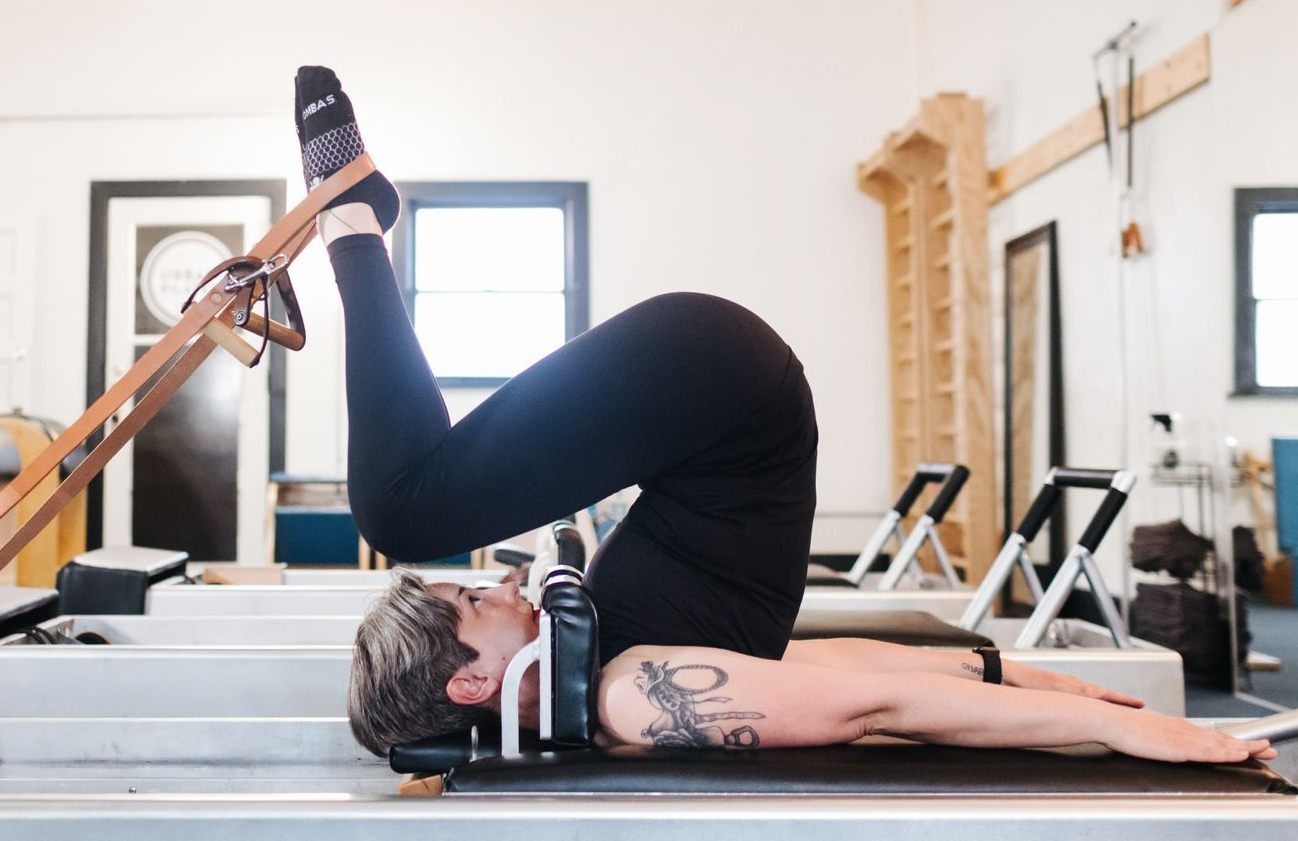
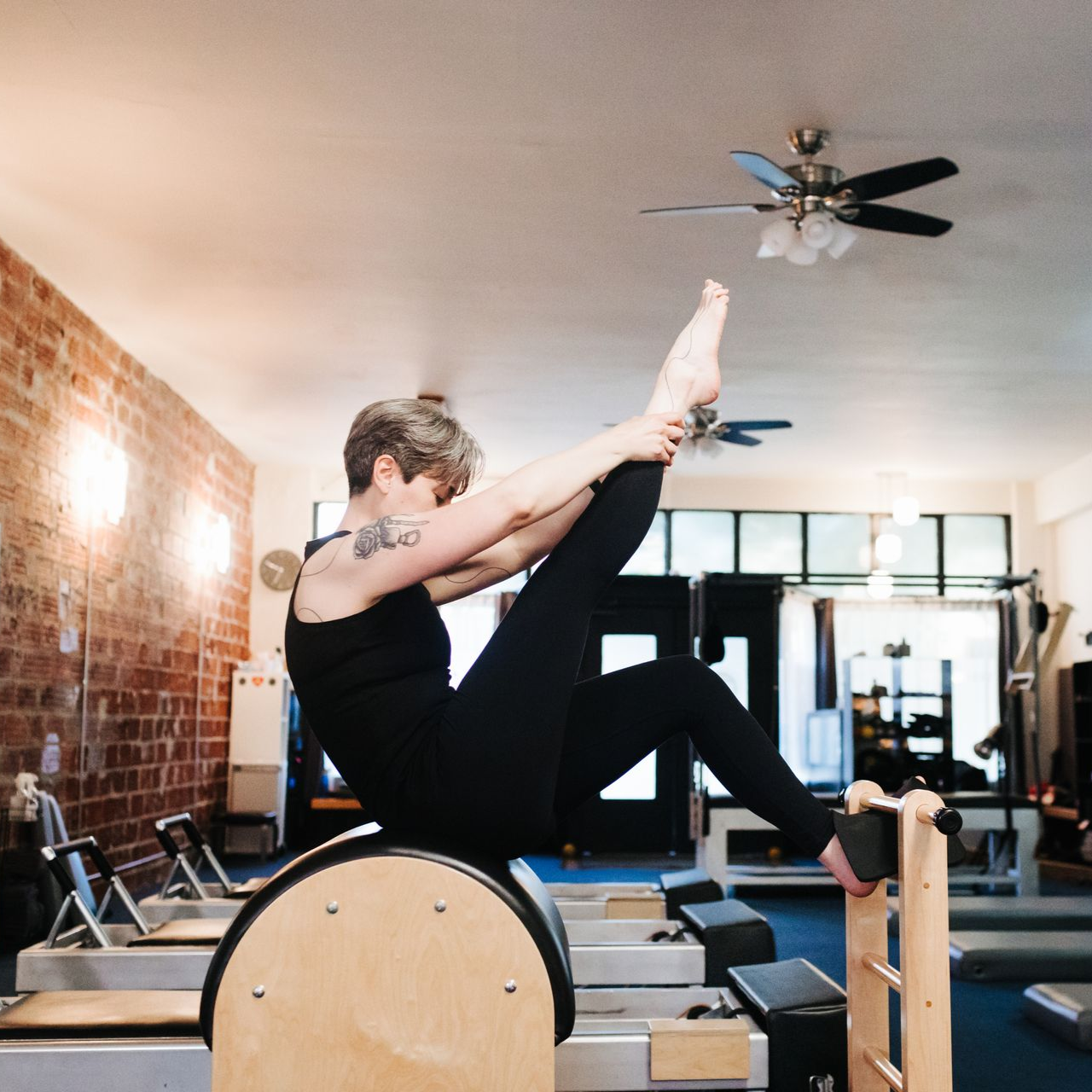
In Rolling Like a Ball, the body moves with momentum, but the shape must remain organized. In the Teaser, the limbs move through space, but the center must continue to govern the exercise. During transitions on the Reformer, the body may move quickly, but speed should not erase precision.
Control does not require making every exercise slow.
In fact, moving too slowly can sometimes make an exercise heavy and disconnected. The goal is to use the appropriate tempo while remaining responsible for the movement.
The more advanced the work becomes, the more control and freedom must coexist.
Control Develops Through Progression
Control cannot be demanded into existence.
It develops through repetition, appropriate progression, and well-chosen exercises.
A beginner may first learn control in a supported position with a limited range of motion. As strength and understanding increase, the exercises require the student to manage more variables: lighter springs, a smaller base of support, greater range, more complex coordination, or less help from the apparatus.
The classical system provides a progression for this development.
An exercise may first be learned on one apparatus and later challenged on another. A connection established while lying down may eventually be required while sitting, kneeling, standing, or moving through space.
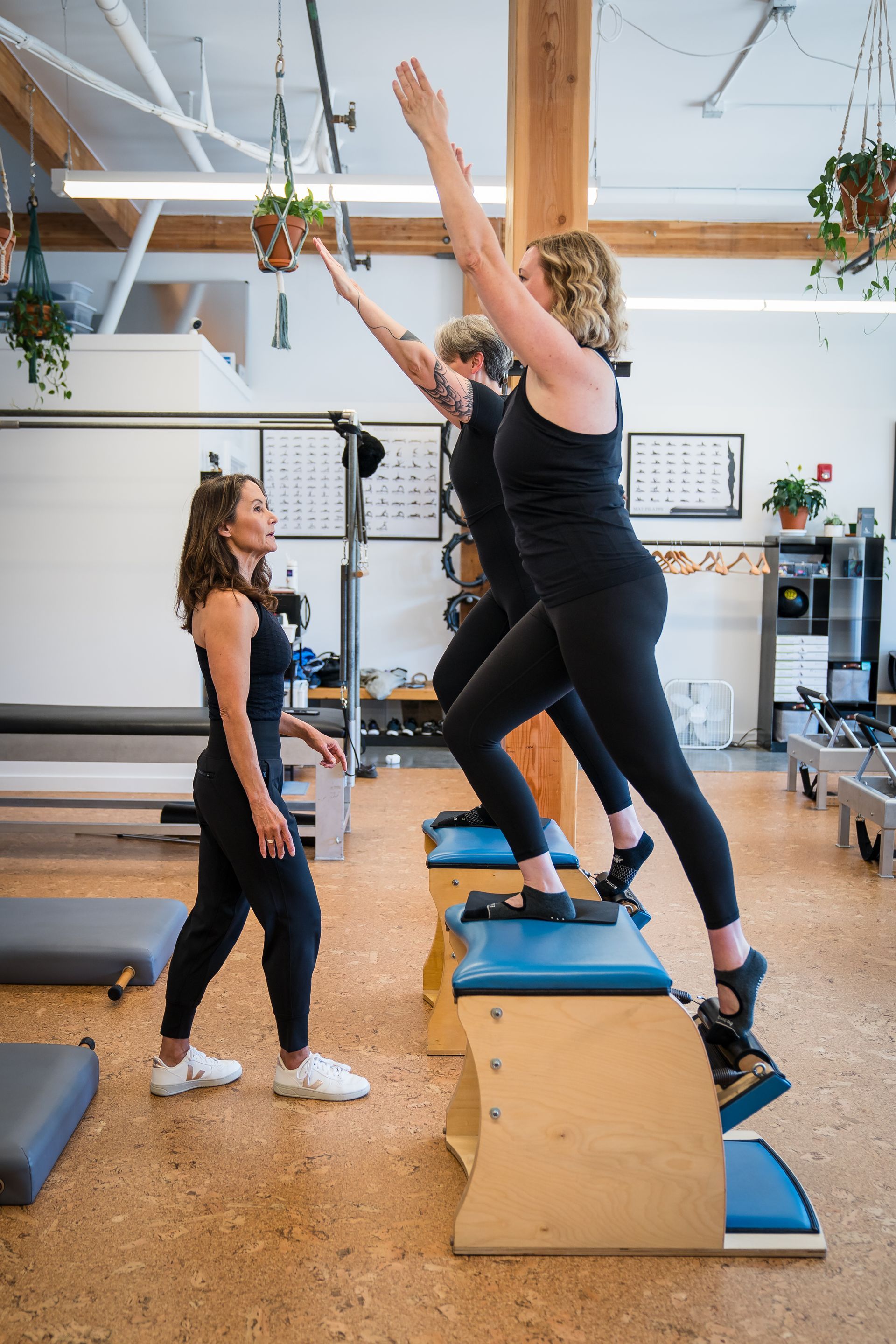
The teacher’s role is to offer enough challenge for growth without asking the student to sacrifice the integrity of the exercise.
Control Is Not Perfection
Practicing control does not mean that every repetition will be flawless.
Bodies are not machines. Energy, concentration, coordination, and physical capacity can change from day to day.
The practice is in noticing what is happening and continuing to work intelligently.
Perhaps the carriage returns unevenly. Perhaps one shoulder begins to lift. Perhaps the breath becomes restricted. These moments are not evidence that the exercise has failed. They are information.
Contrology gives the student a framework for responding to that information.
Can you make the next repetition more organized? Can you reduce the range rather than lose the connection? Can you accept a correction without becoming tense or discouraged?
Control includes the ability to adapt.
Control Creates Freedom
The apparent paradox of Contrology is that greater control eventually produces greater freedom.
When the body is well organized, the limbs can move more fully. When the center provides reliable support, the spine can articulate with greater confidence. When the student understands the apparatus, transitions become lighter and more fluid.
Control is not a cage around the movement. It is the structure that allows the movement to expand.

Experience Contrology
Contrology develops through repetition, attention, and an increasing understanding of how the whole body works together. Private instruction gives that process the time and precision it requires.
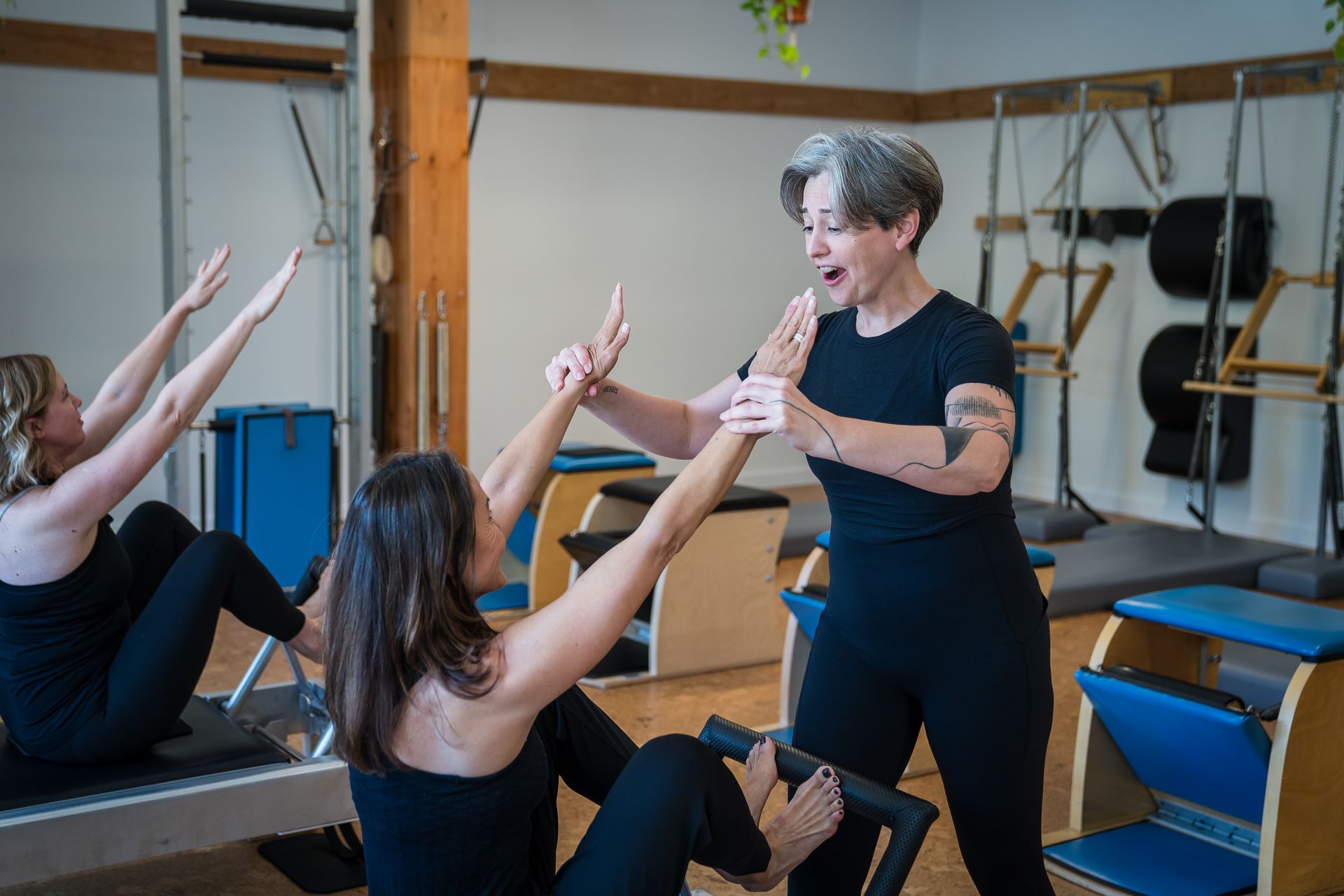
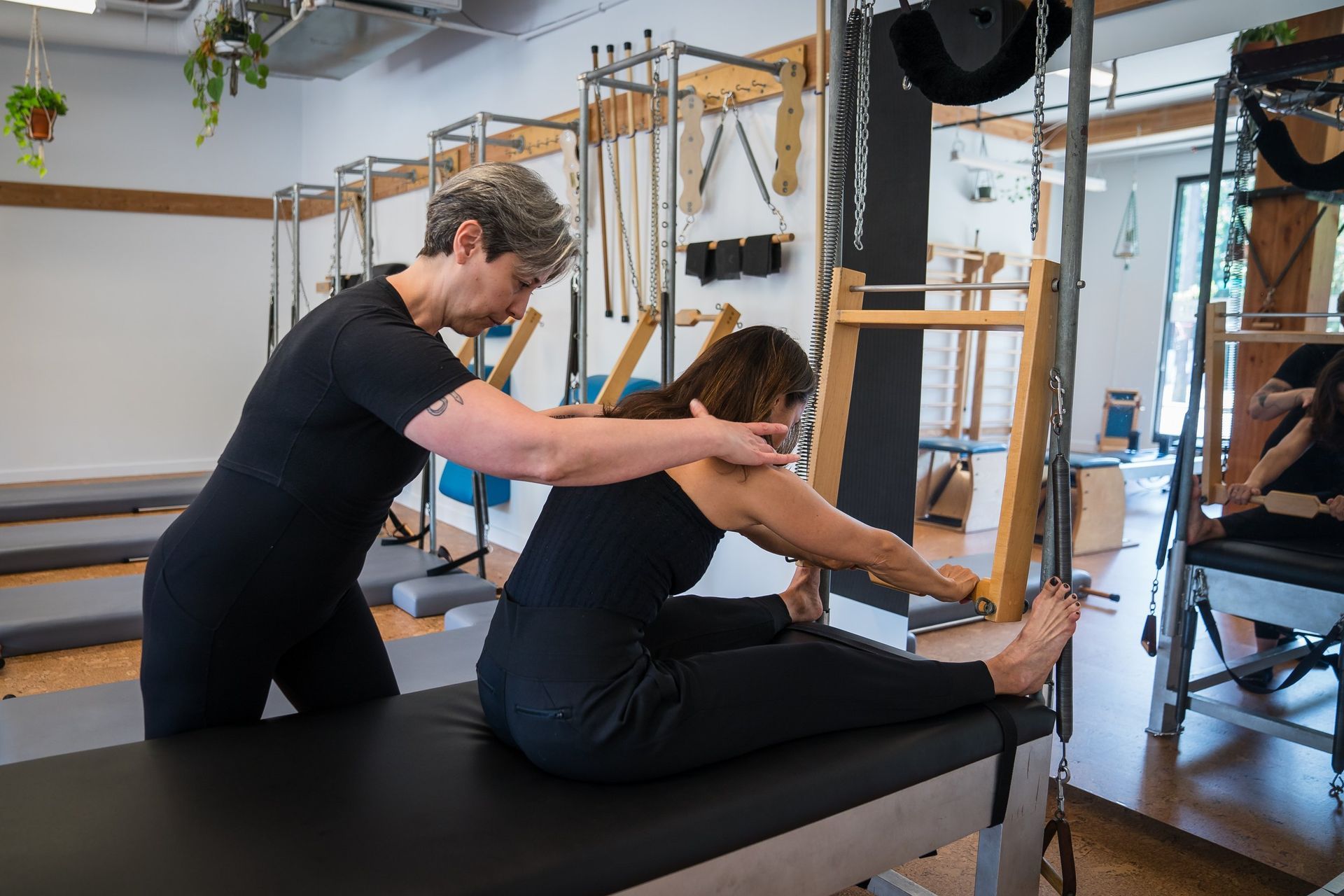
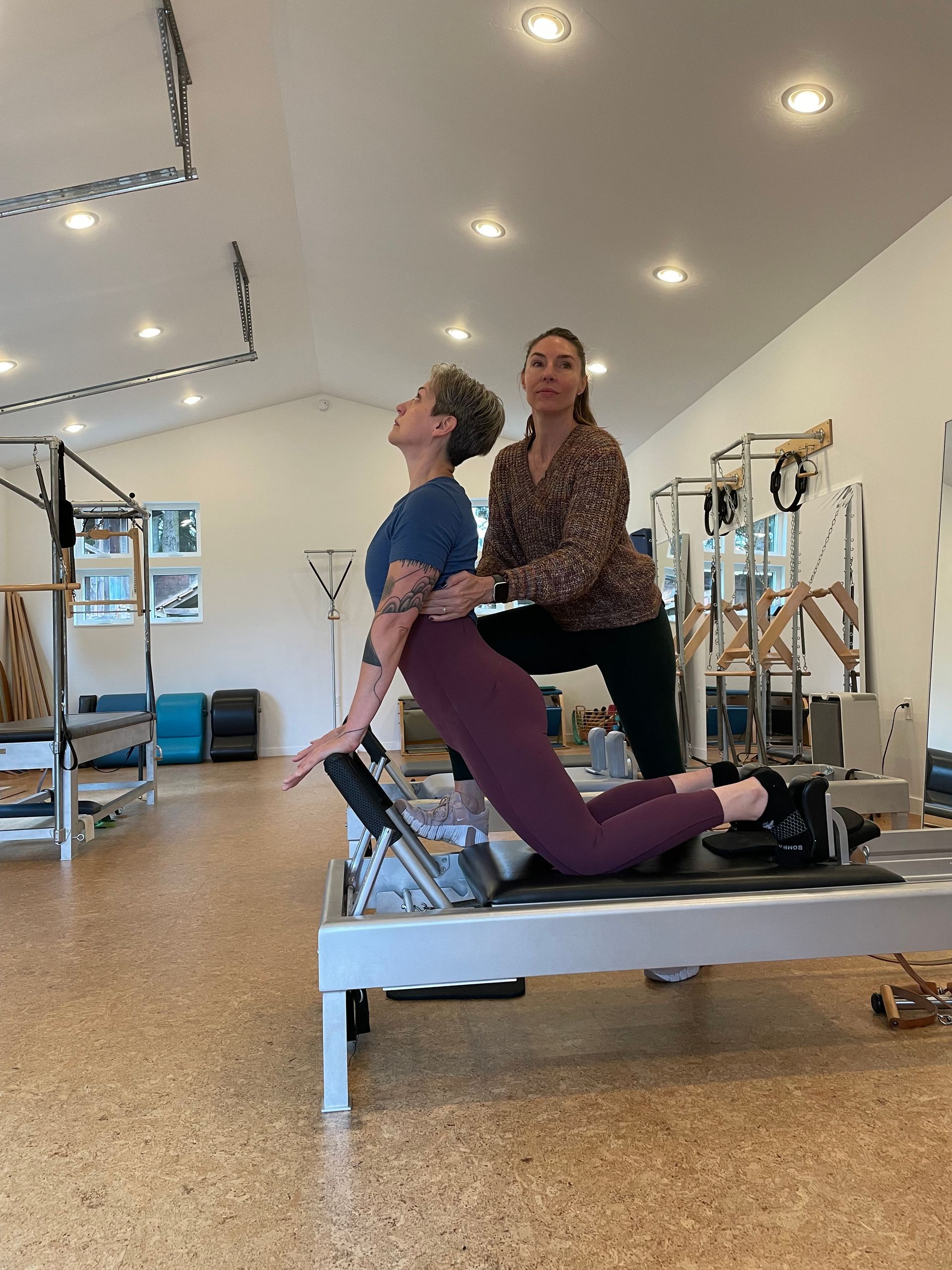
An instructor can see where control is being lost, adjust the springs or range of motion, and choose exercises that help make a missing connection clearer. They can also help you distinguish between true control and the tension, gripping, or hesitation that can sometimes masquerade as control.
Over time, this guidance helps you become less dependent on correction and more capable of recognizing what is happening in your own body. You begin to feel the difference between forcing a movement and organizing it, between simply completing an exercise and moving with intention from beginning to end.
This is where the philosophy of Contrology becomes tangible. It is no longer only an idea associated with Joseph Pilates, but something you can experience and develop within your own practice.
To explore Classical Pilates through individualized instruction, schedule a session at urban-pilates.com/schedule or book through the Urban Pilates PDX app.
Recent Posts