Pilates Vocab 101

The Language of Classical Pilates

Starting Pilates can sometimes feel like arriving midway through a conversation everyone else already understands. The equipment looks unfamiliar, the transitions move quickly, and suddenly your instructor is cueing things like "scoop," "powerhouse," and "opposition" as if they're everyday vocabulary.

At first, it can sound like another language entirely, but before long the terminology begins to click and the method starts making sense from the inside out.

The good news: you do not need to know the vocabulary before you begin. In fact, part of learning Pilates is learning the language of the method itself. Over time, the cues stop sounding abstract and start becoming physical sensations you can actually feel in your body.

While these terms may sound unfamiliar at first, learning their meaning becomes much easier when an instructor can guide you through the sensations and movement patterns they describe.

This guide covers many of the terms and principles you'll hear regularly during your private sessions and group classes at Urban Pilates so you can walk in feeling a little more prepared, a little more confident, and ready to get more out of every session.


The Powerhouse

Your Classical Core

Perhaps the most iconic term in Pilates.

The Powerhouse refers to the center of the body: the stomach, bottom, and inner thighs all working together as an integrated support system. Joseph Pilates believed that all movement should initiate from this center.

When your instructor says, "Engage your Powerhouse," they're asking you to organize and support the body from the inside out before movement even begins.

The limbs don't just fling themselves around independently. Movement originates from the center first, then travels outward with control, precision, and intention.

The Scoop

Deep Abdominal Support

"Scoop" is one of the most frequently used cues in the studio, and one of the hardest to fully understand at first.

To scoop means to draw the abdominals inward and upward while breathing laterally without clenching or gripping, creating deep internal support and lift through the center. It is not aggressive bracing or holding your breath. Quite the opposite.

The scoop works together with lateral breathing, where the ribs expand wide into the sides and back of the body while the abdominals stay engaged and lifted.

At first, this coordination can feel almost impossible. Then one day it suddenly clicks and your entire practice changes.


Lateral Breathing

Breathing Wide Into the Ribcage

In Pilates, we often breathe differently than we do in everyday life.

Rather than letting the belly expand forward with each inhale, we learn to breathe laterally into the sides and back of the ribcage while maintaining support through the center.

This style of breathing helps maintain abdominal engagement during movement and creates the stamina needed for the flowing rhythm of the classical system.

Like everything in Pilates, this develops gradually with practice.


2-Way Stretch (Opposition & Resistance)

The Push and Pull of the Work

One of the defining characteristics of Pilates is that the body is always working in two directions at once while remaining deeply connected.

As one part of the movement reaches outward, it remains continuously connected back to the powerhouse, creating a sense of opposition, support, and control throughout the body.

There is a continual sense of lift resisting gravity, length resisting compression, and control resisting momentum. This dynamic relationship is what creates the feeling of support and spaciousness throughout the work.

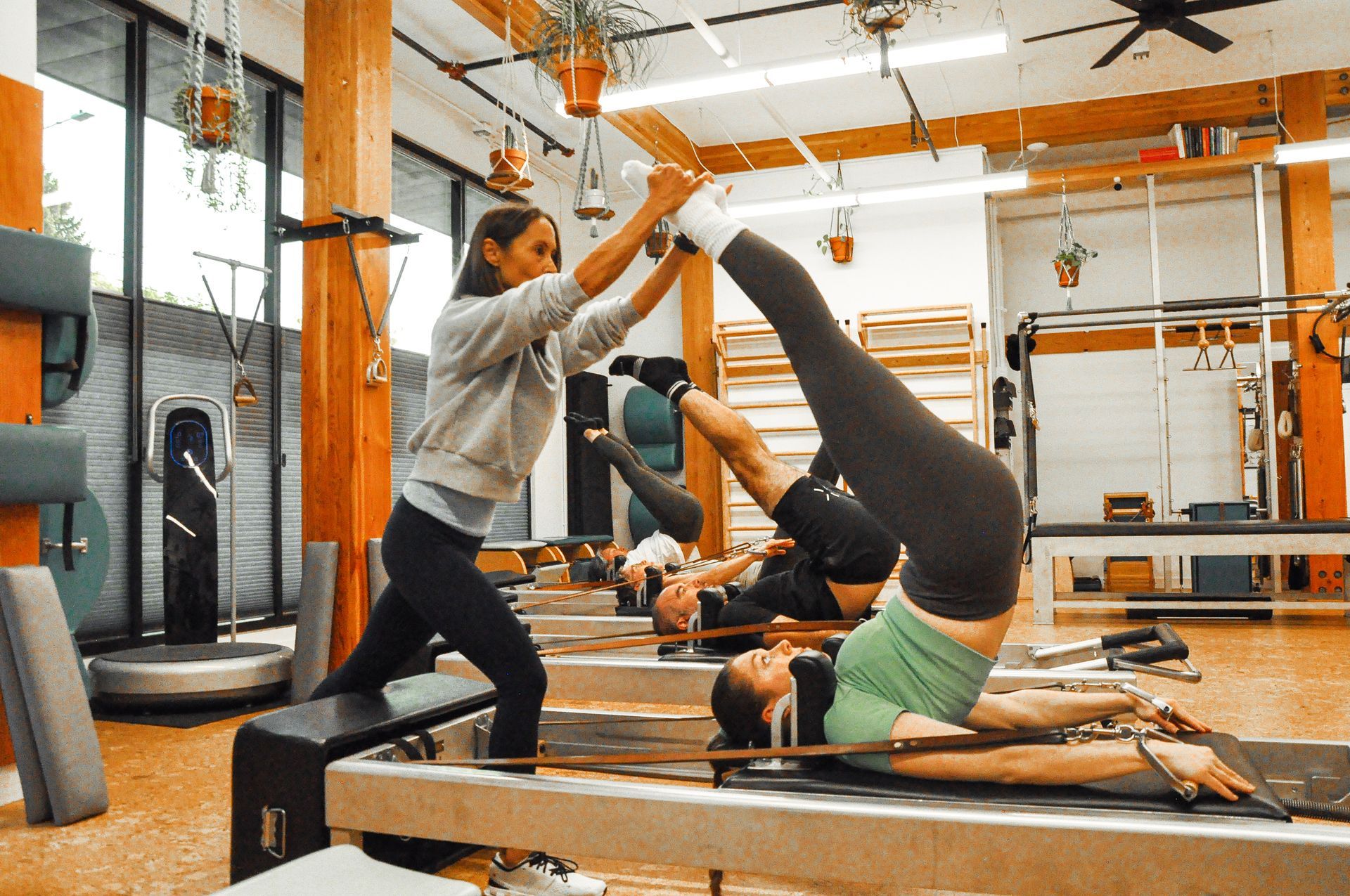
The springs help teach this concept clearly because they provide immediate feedback. They pull, press, assist, and challenge all at once. But the deeper goal is learning how to create that same connection internally, both on and off the apparatus.

Nothing simply drops, collapses, or moves passively. Every exercise contains opposing energies working simultaneously:

  • Reaching while resisting
  • Lifting while grounding
  • Expanding while supporting
  • Moving outward while drawing inward

This balance between opposition and resistance is part of what makes the method feel both powerful and controlled at the same time. It is also why even small movements can feel surprisingly demanding when done with true precision.

Lift

Creating Space Against Gravity

Lift is one of the central concepts in Pilates and is deeply connected to the idea of lengthening.

Throughout the work, there is a continual sense of reaching upward against gravity rather than collapsing downward into movement. Even in exercises that appear grounded or heavy, the body is constantly being asked to organize, support, and lengthen from within.

You'll often hear cues like:

  • "Lift through the center."
  • "Grow taller."
  • "Reach long."
  • "Lift out of the springs."
  • "Lengthen through the spine."

In Pilates, lengthening does not mean becoming loose, passive, or overly flexible. It means actively reaching outward while maintaining support, control, and connection. The goal is not simply stretch, but organized length created through opposition and resistance.

This concept of lift gives the work its buoyancy. Rather than sinking into the apparatus or compressing into the joints, the body is continually creating space, suspension, and upward energy throughout movement.

Over time, lift becomes less about effort alone and more about coordination and placement. As strength, control, and coordination improve, the work often begins to feel lighter, longer, and more effortless, even as it becomes more demanding.


Concentration

Bringing Your Mind to the Work

Pilates is not designed to be performed on autopilot.

Each exercise asks you to pay attention to your body, your breath, your alignment, and your movement. This focused awareness is what Joseph Pilates referred to as concentration.

Rather than distracting you from yourself, the work continually asks you to become more present within your body.

As your practice develops, concentration becomes easier. The mind and body begin working together toward the same goal, creating the sense of focus and clarity that many students find so rewarding.

Control

Precision Over Momentum

Joseph Pilates originally called his method Contrology.

That name tells you everything.

Pilates is not about throwing the body through shapes or chasing exhaustion. The work asks for deliberate, controlled movement where every transition matters just as much as the exercise itself.

Control creates precision. Precision creates efficiency. Efficiency creates flow.

This is why even simple exercises can feel deeply challenging and rewarding.


Precision

Quality Over Quantity

In Pilates, how you perform an exercise matters more than how many repetitions you complete.

Rather than chasing fatigue or accumulating movement, the goal is to execute each exercise with accuracy, consistency, and intention. Small adjustments in alignment, timing, breath, or organization can completely change the experience of an exercise.

Joseph Pilates often emphasized that a few well-executed repetitions were more valuable than many careless ones. Precision is what transforms movement from exercise into practice.

Over time, precision becomes less about perfection and more about awareness. The more clearly you understand what you are trying to accomplish, the more effective the work becomes.

Flow

Continuous, Rhythmic Movement

As your practice develops, the exercises begin connecting together almost like choreography. Transitions stop feeling separate from the workout and become part of the work itself.

The goal is not to pause, reset, and start over after every exercise. The work is designed to move continuously with rhythm, precision, control, and intention.

Flow does not mean rushing.

It means sustaining organization and connection while the work keeps moving.

Over time, sessions become less about isolated exercises and more about maintaining breath, control, lift, and precision through uninterrupted movement. As strength, coordination, stamina, and familiarity with the system increase, the pace of the work can naturally accelerate while maintaining precision and control. What begins as learning individual exercises gradually becomes a dynamic, uninterrupted practice that challenges both the body and mind.

The result is a workout that feels simultaneously strong, focused, dynamic, and deeply connected.

The Order

The Classical Sequence

In Classical Pilates, exercises are taught in a specific sequence called The Order.

Joseph Pilates designed the system intentionally so each exercise prepares the body for the next. The sequence builds heat, coordination, mobility, strength, and endurance progressively throughout the workout.

Nothing is random.

Even exercises that seem simple are often preparing you for something much more advanced later in the system.

When your instructor follows the classical order, they are preserving the architecture of the method itself.

While exercises may occasionally be modified or omitted to meet an individual's needs, the classical sequence provides the framework that gives the system its remarkable continuity and effectiveness.

Articulation

Moving One Vertebra at a Time

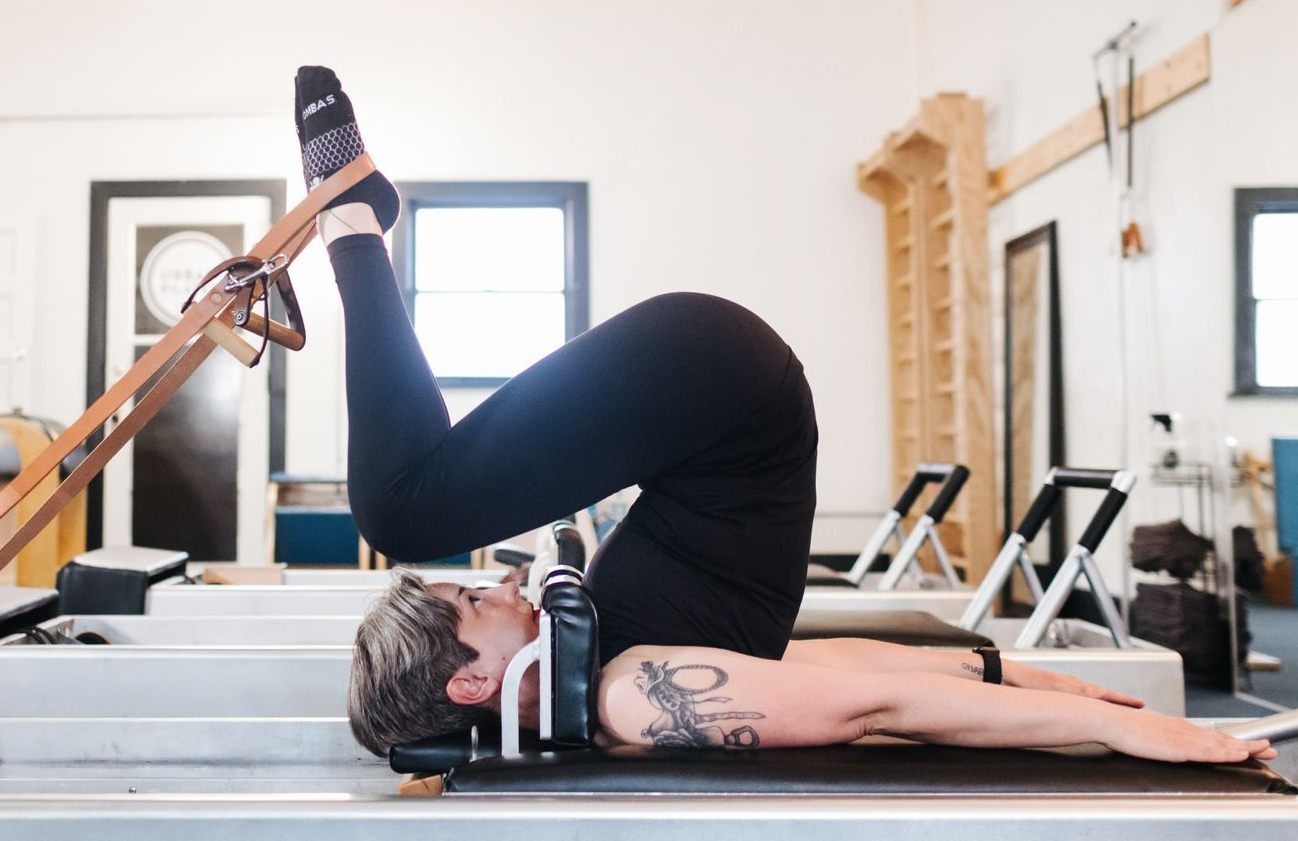
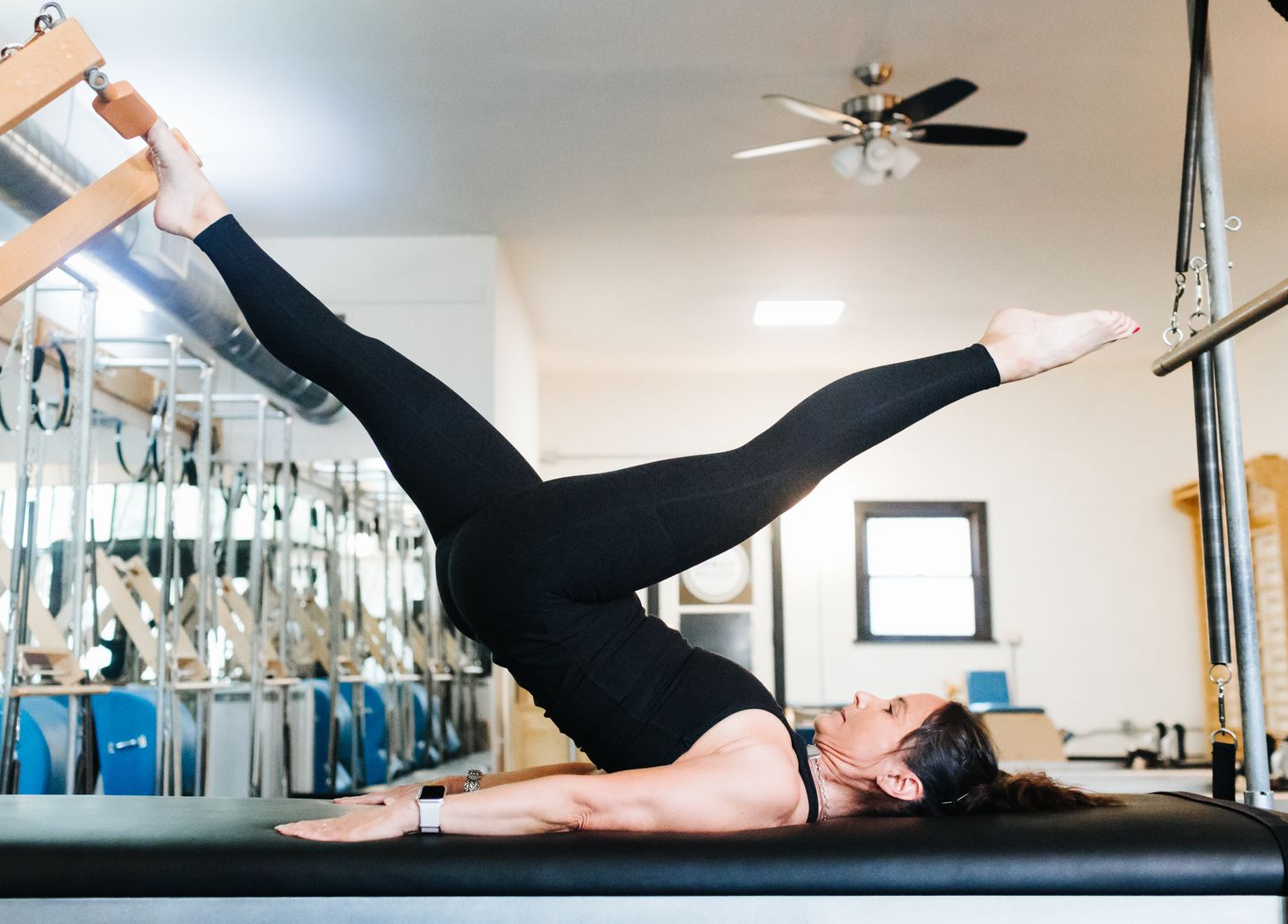
Exercises like Hug on the Short Box, Push-Through, and Roll Up ask the spine to move sequentially rather than as one stiff block.

This is called articulation.

The goal is to create mobility, control, and awareness through the spine segment by segment, almost like laying down or lifting up a strand of pearls one vertebra at a time.


The Box

Organizing the Frame

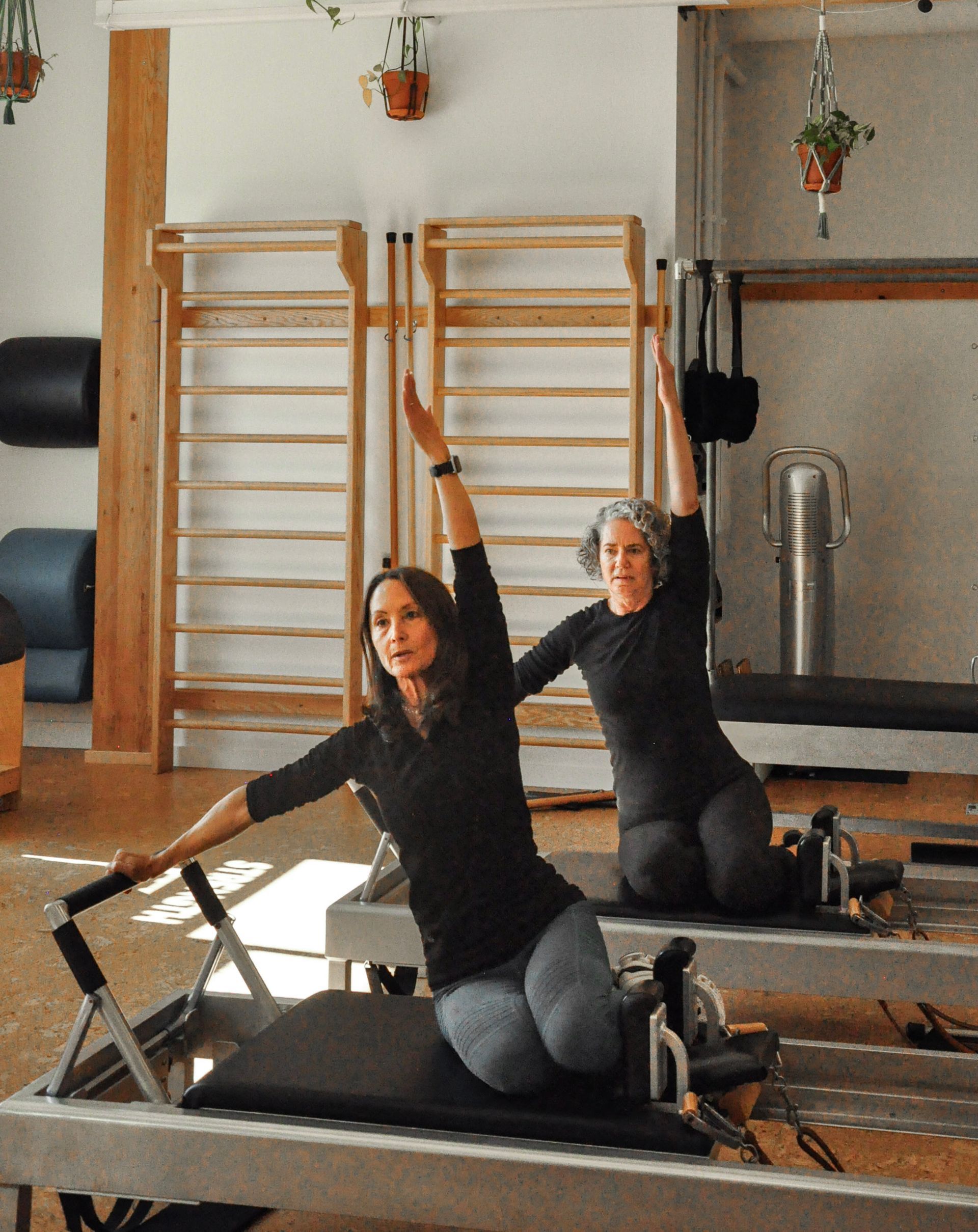
"The Box" is a classical organizational concept used to maintain symmetry, alignment, and control throughout the work. It refers to the square created by the shoulders and hips and the idea of keeping that frame organized and even as movement occurs.

The Box becomes especially important during asymmetrical exercises, where one side is moving differently from the other. Rather than twisting, collapsing, or drifting off-center, the goal is to stay organized and balanced while movement happens around a stable frame.

The Box serves as a constant reminder that movement can occur without sacrificing organization.


Pilates Stance

Heels Together, Toes Apart

This classical foot position appears throughout much of the repertoire.

The heels touch together while the toes turn outward at a small, natural angle, similar to the hands of a clock pointing to 11 and 1. The legs remain actively connected through the inner thighs and seat.

Pilates stance is not about forcing turnout. It's about creating organization, lift, and connection through the entire lower body.

A small change in foot placement, but one that influences alignment, balance, and connection throughout many Pilates exercises.


Learning the Language

One of the beautiful things about Pilates is that the same exercises return again and again. At first, the vocabulary may feel unfamiliar. Then slowly the body begins to understand what the words actually mean.

The cue that once sounded abstract suddenly becomes physical.

That's when the method starts becoming deeply rewarding.

As Joseph Pilates famously said:

"Patience and persistence are vital qualities in the ultimate successful accomplishment of any worthwhile endeavor."

The vocabulary becomes familiar. The movements become more refined. And each time you return to the work, the language of the method becomes a little clearer.


Ready to Experience It Yourself?

The best way to understand the language of Pilates is to experience it firsthand.

In a private session, the cues stop feeling abstract and start becoming something you can actually feel and apply in your own practice. With individualized instruction, hands-on guidance, and focused attention, the method begins to make sense from the inside out.

Whether you're completely new to Pilates or looking to deepen an existing practice, our instructors guide you step by step through the Classical system and help build a strong foundation for long-term progress.

Explore private sessions and new client offerings at Urban Pilates. Click on the link below to schedule your private session!


Recent Posts

By Dori Lea July 15, 2026
What is Classical Pilates? A Complete Guide to the Original Method
By Dori Lea June 29, 2026
Separating Fitness Trends from the Classical Method
By Dori Lea June 18, 2026
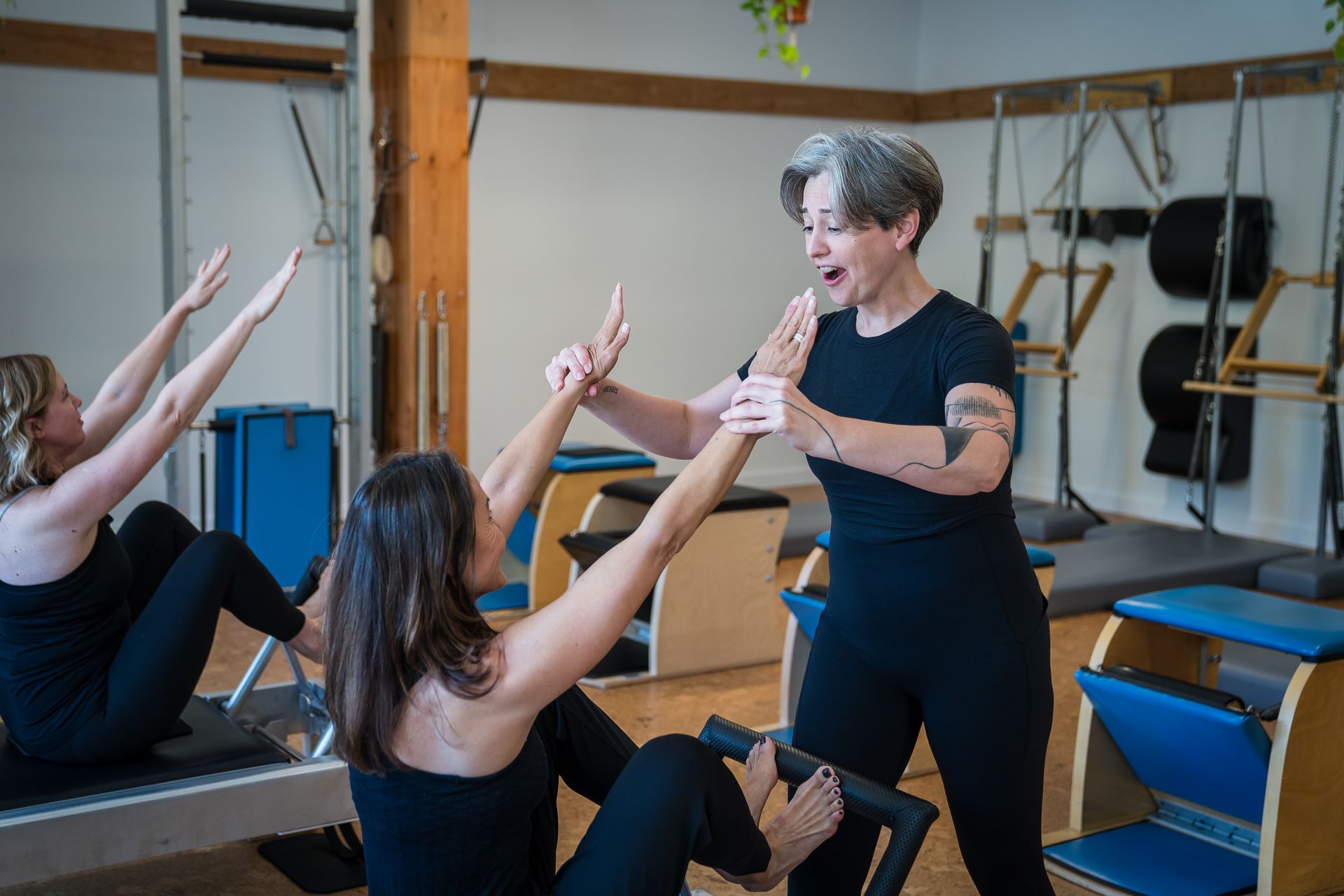
How Often Should You Practice Pilates? A Beginner's Guide to Building a Sustainable Practice
By Dori Lea May 30, 2026
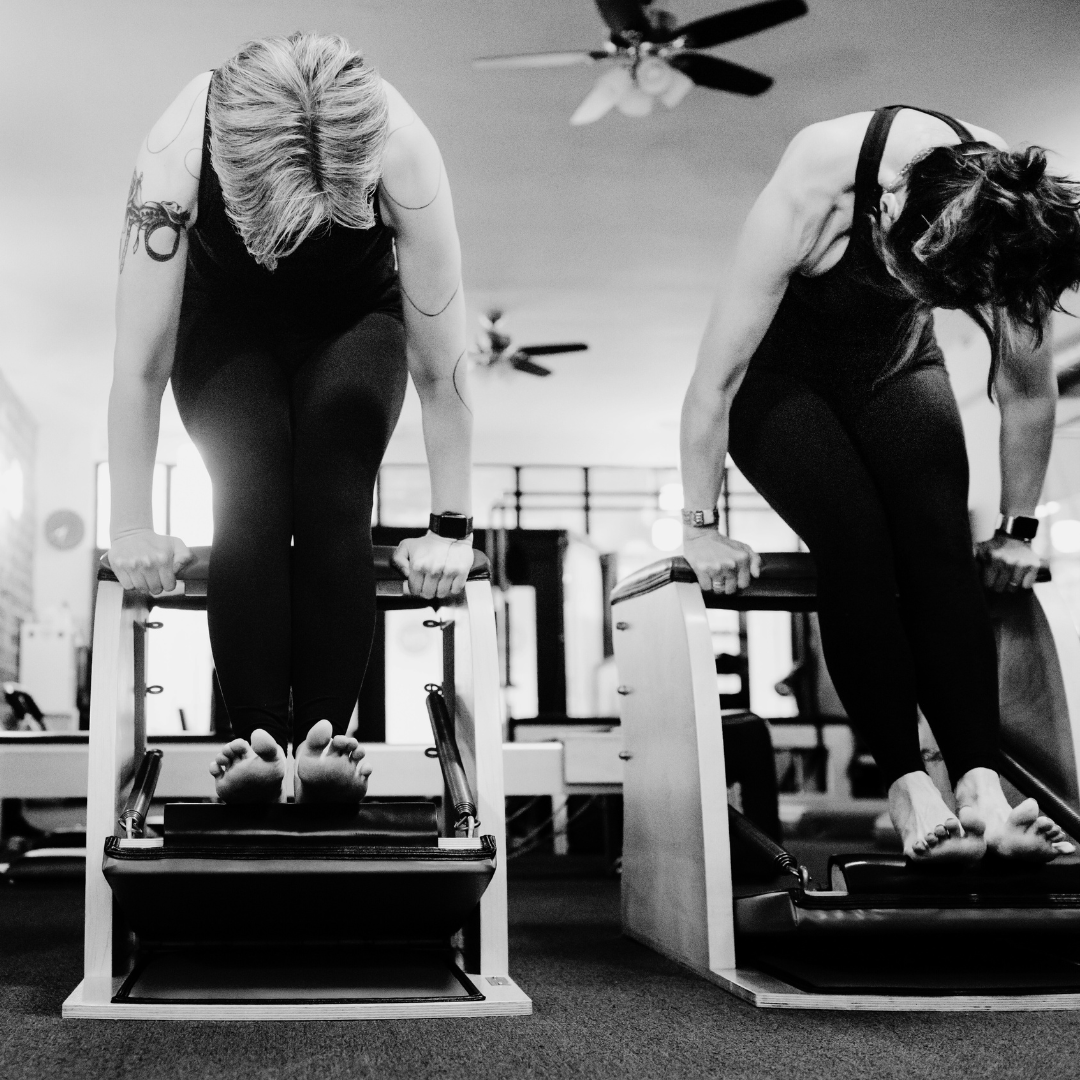
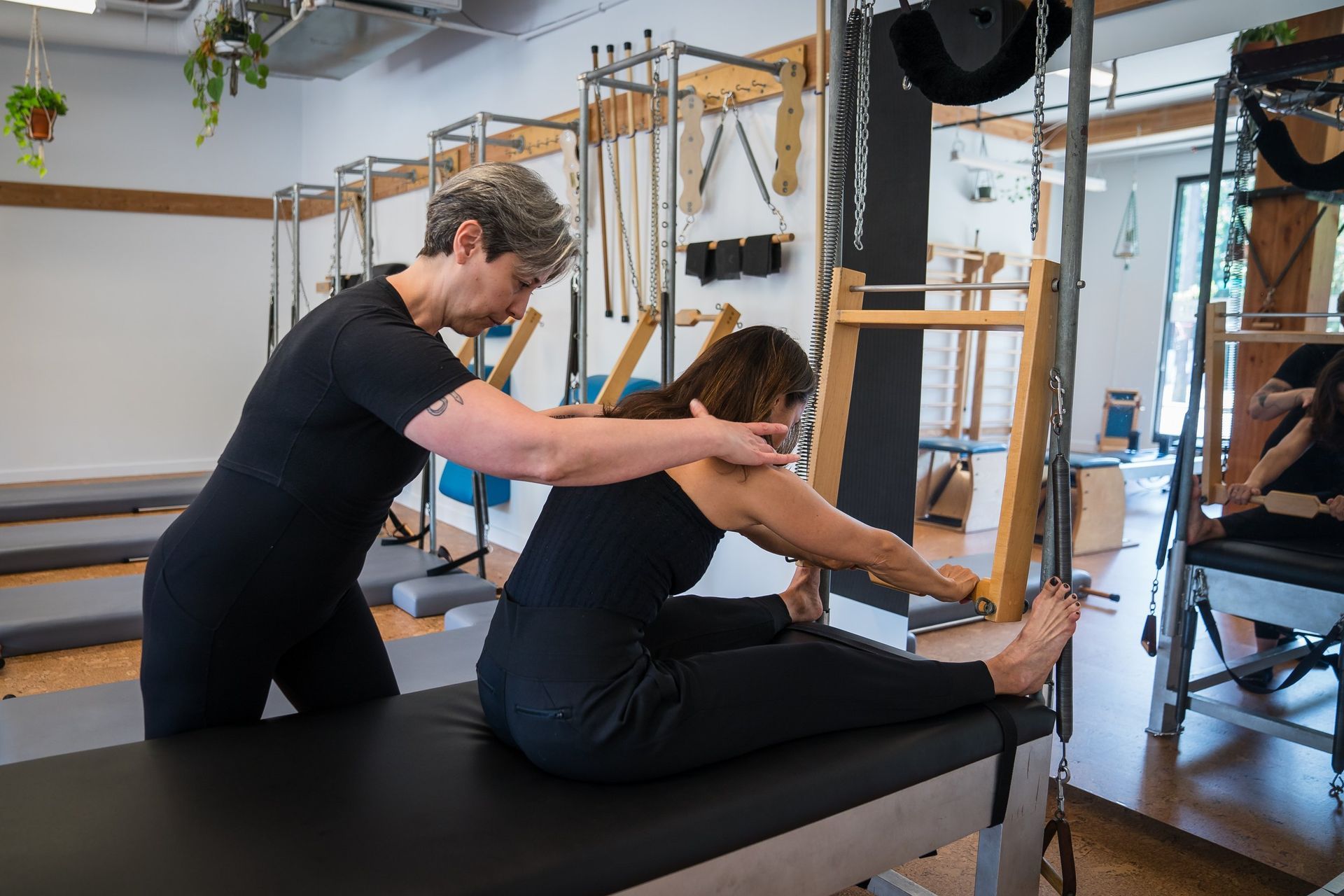
Meeting the Equipment One of the most striking aspects of private instruction is the equipment itself. At Urban Pilates, you'll encounter the Reformer, Cadillac, Wunda Chair, and various smaller apparatus. While these machines might look intimidating at first, they're actually designed to support and challenge your body in the most effective way possible. Your instructor will show you how to use each piece of equipment while adjusting exercises to match your current abilities. The spring tensions on the apparatus are especially helpful here, making any exercise accessible whether you're a complete beginner recovering from an injury or a seasoned professional looking to deepen your practice.
December 17, 2025
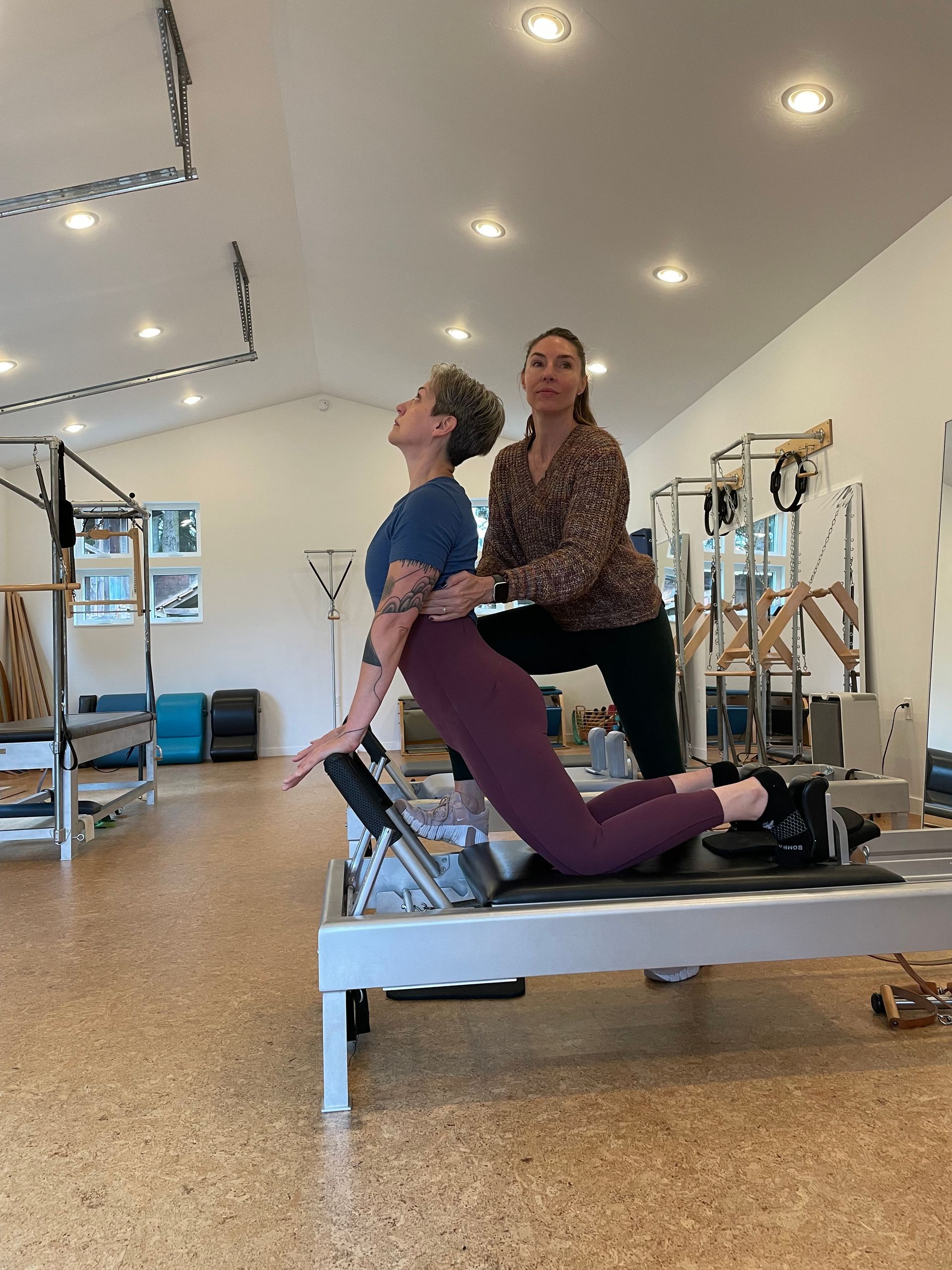
At Urban Pilates, we believe that your body deserves the focused attention required to do this practice right. In a one-on-one setting, your instructor observes every movement, catches every compensation pattern, and provides real-time corrections that protect your body and maximize your results. Check out what makes Urban Pilates so unique!
October 15, 2025
At Urban Pilates, we take a different approach than most studios. We believe in mastering the fundamentals through private instruction before joining group classes. This foundation allows you to learn proper form, understand your body's capabilities, and develop the muscle memory you need to succeed. Our group classes aren't for beginners—they're designed for dedicated practitioners who've built a strong base. Once you're ready, you'll join a supportive community where everyone has prepared the same way, allowing you to focus on the flow and challenge of your workout rather than worrying about technique.
October 1, 2025
Discover the six fundamental principles that make Classical Pilates a transformative practice for both body and mind. From Concentration to Breath, these timeless principles create lasting benefits experienced by millions worldwide. Learn how they work together to strengthen not just your muscles, but your resilience, confidence, and body awareness.
September 18, 2025
What started as one man's fight against his own physical limitations became a revolutionary approach to human movement. Joseph Pilates transformed his early health challenges into a method that would help millions build strength from the inside out. In a fitness world often focused on intensity over intelligence, classical Pilates offers something increasingly rare: a time-tested approach that has remained virtually unchanged because it was right from the beginning. At Urban Pilates, our private instruction sessions honor this authentic classical approach while adapting to each person's individual needs, just as Joseph Pilates intended.
April 25, 2025
Discover how Urban Pilates in Portland helps athletes prevent injuries, build core strength, and enhance performance with expert-led Classical Pilates training.
April 17, 2025
At Urban Pilates, we get a lot of great questions from people who are just beginning their Pilates journey—or are looking to deepen it. Whether you're wondering what makes Pilates "Classical," how it differs from the trendier workouts you see on social media, or if it can help with back pain, this FAQ is designed to answer your most common (and uncommon) questions. From first-timers to fitness veterans, this guide covers everything you need to know about our method, our studio, and what makes Urban Pilates a trusted destination for those seeking strength, control, and true transformation—one session at a time.
Show More