Common Pilates Myths Debunked!
Separating Fitness Trends from the Classical Method

Pilates has become one of the most talked-about forms of exercise in modern fitness culture. Unfortunately, as its popularity has grown, so have the misconceptions surrounding it.
Some people assume Pilates is just stretching. Others think it's only for rehabilitation, dancers, or flexible people in matching workout sets. Some expect it to be easy because the movements appear controlled and precise rather than explosive or chaotic.
The truth is that authentic Classical Pilates is a highly sophisticated system of strength, control, coordination, stamina, and full-body conditioning. It was designed to challenge the body intelligently and progressively, not simply to "tone" it or help you relax for an hour.
Let's clear up a few of the most common myths.
Myth #1: Pilates Is Just Stretching
This is perhaps the biggest misconception of all.
While flexibility certainly improves through Pilates, the method itself is fundamentally a system of strength and control. Every exercise is designed to organize the body, strengthen the powerhouse, and create balanced muscular development from the center outward.
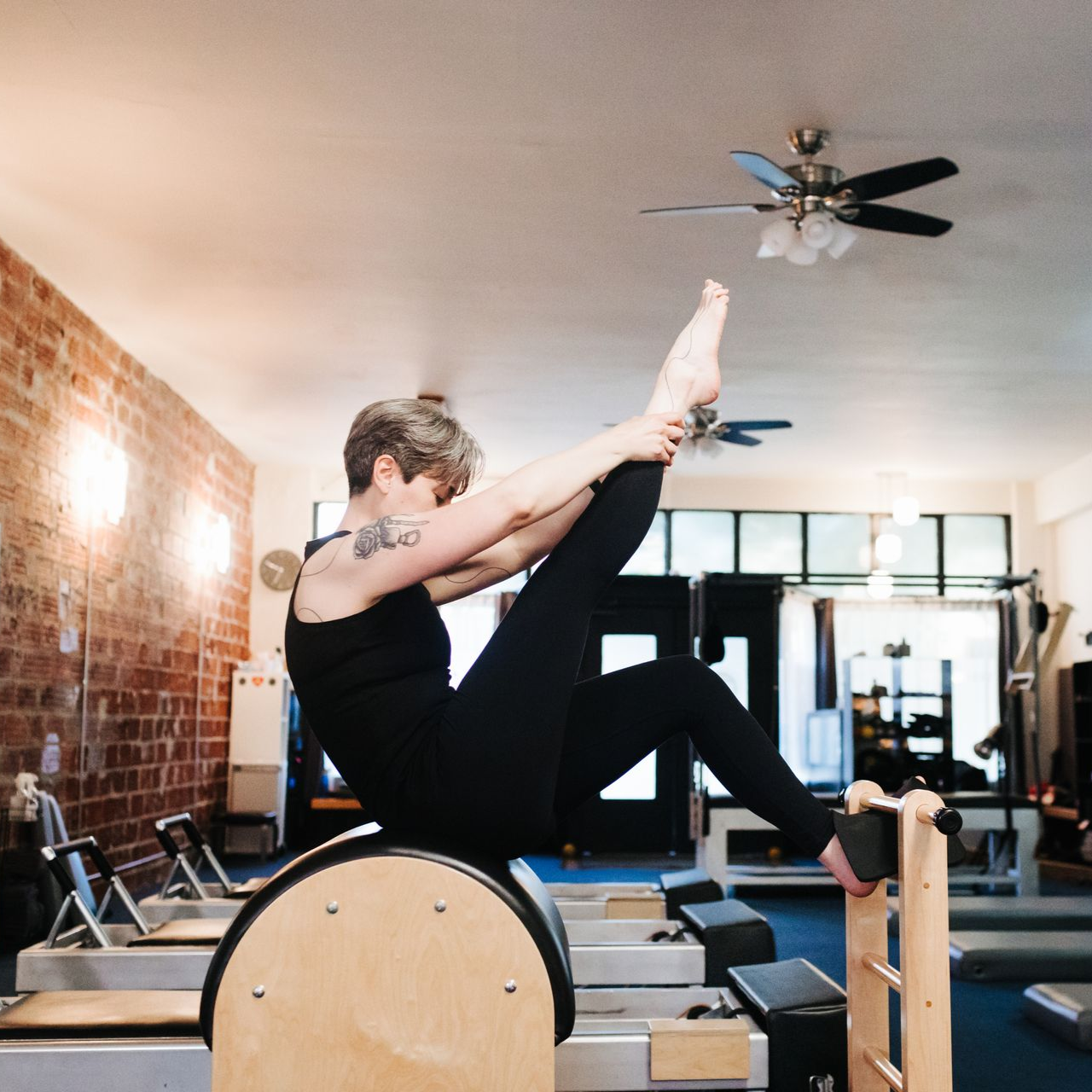
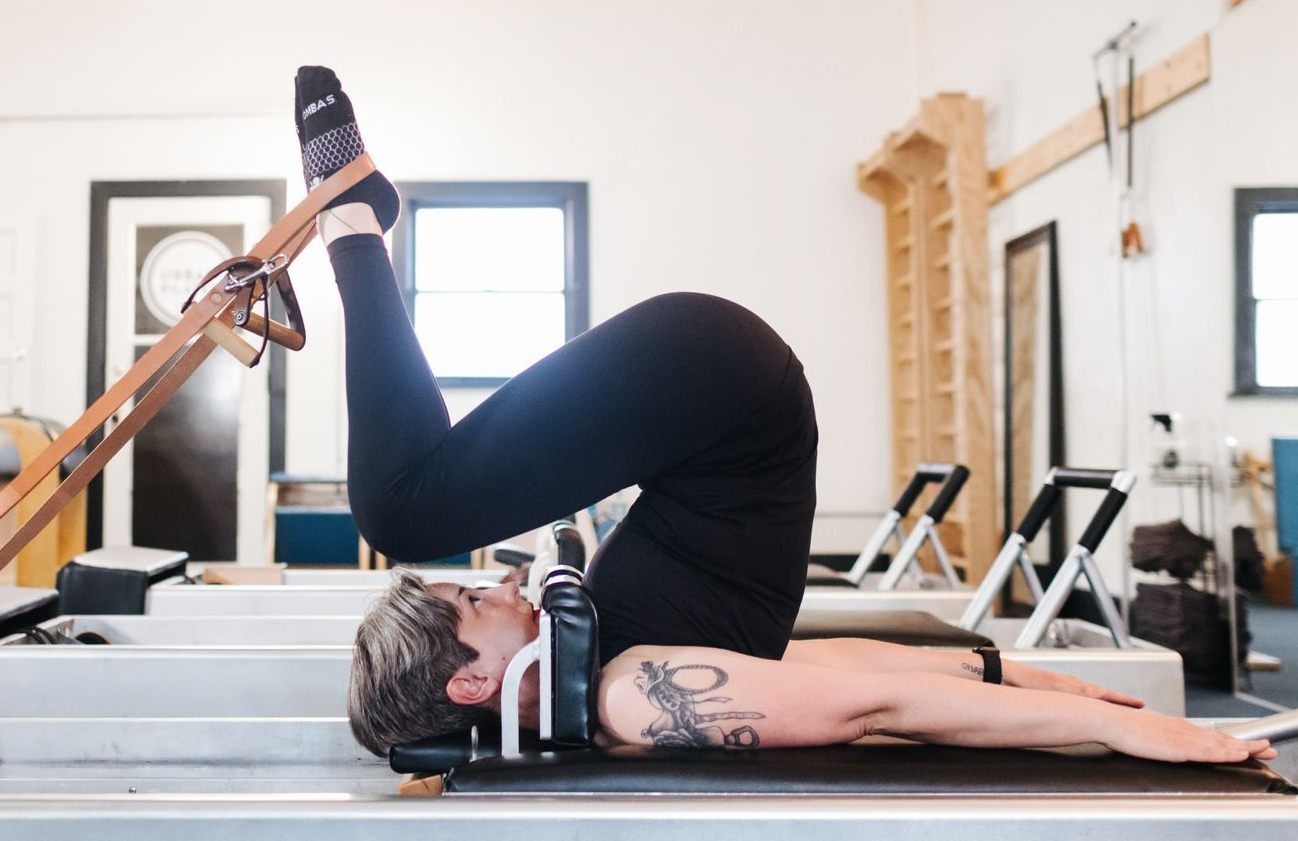
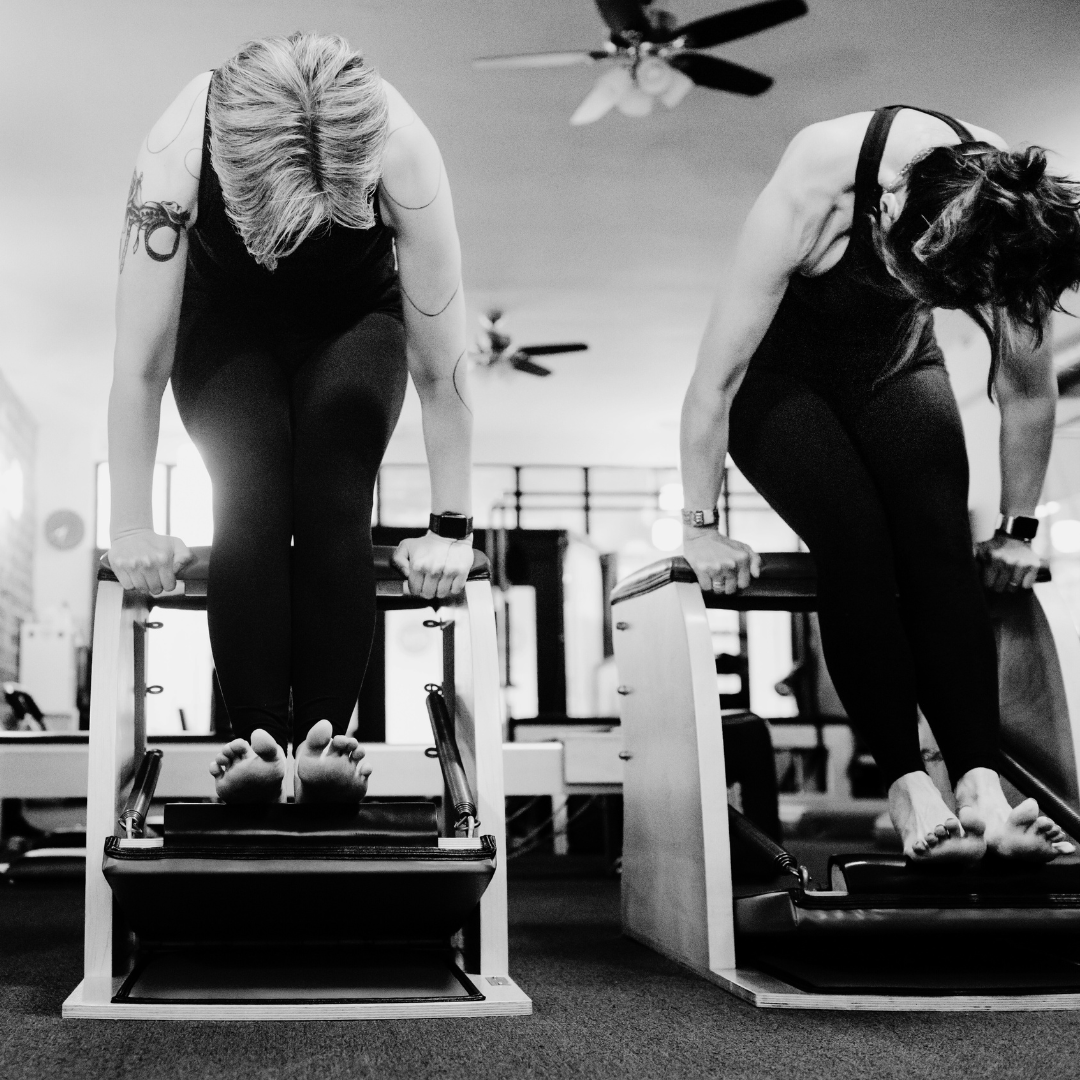
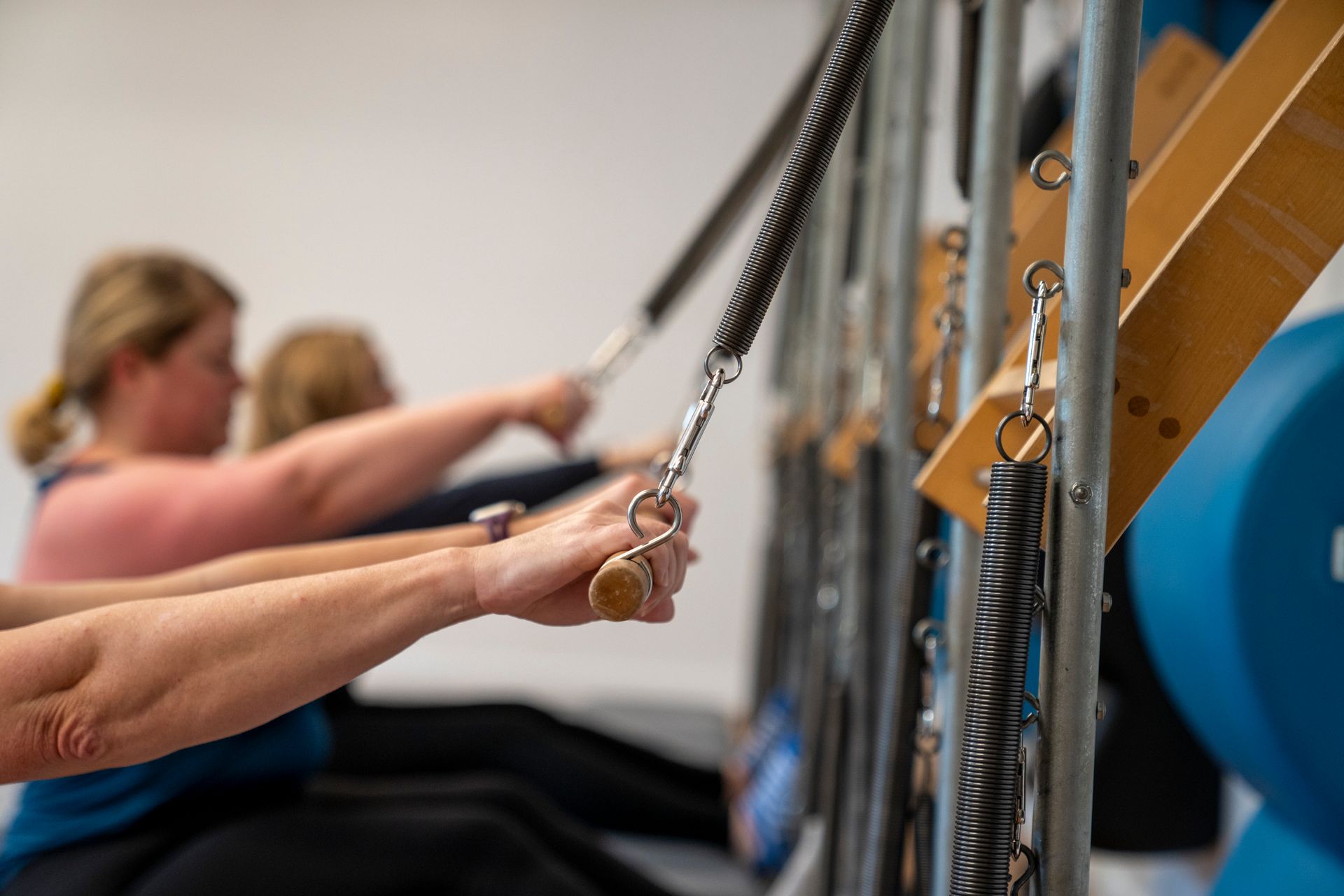
In Classical Pilates, movements are not random stretches. They are precise exercises performed with rhythm, concentration, breath control, and coordination. The springs on the apparatus create both resistance and support, requiring the body to work continuously rather than collapse passively into positions.
The result is not simply "feeling stretched."
The result is a body that is stronger, more responsive, more connected, and more efficient in movement.

Myth #2: Pilates Isn't a Real Workout
Anyone who believes this has likely never experienced a true Classical session.
Pilates can look deceptively graceful from the outside because the work emphasizes precision rather than brute force. But underneath that control is an enormous amount of muscular engagement.
The method demands constant attention:
- Deep abdominal support
- Full-body coordination
- Controlled transitions
- Balanced muscle recruitment
- Mental focus throughout the entire session
As students progress through the system, the pace often becomes more fluid and continuous. The transitions themselves become part of the work. A strong Classical workout can elevate the heart rate significantly while simultaneously demanding precision and control.
This is not passive movement.
It is disciplined movement.
Myth #3: Pilates Is Only for Rehabilitation or Older Adults
While Pilates is often used successfully during rehabilitation, Joseph Pilates did not create Contrology as a rehabilitation program. He developed it as a complete system of physical training intended to build strength, vitality, coordination, and control throughout the entire body.
Dancers, athletes, martial artists, performers, and highly active individuals have relied on the method for decades to improve performance, coordination, stamina, and body awareness.
At the same time, the system is adaptable enough to meet people exactly where they are. That is part of what makes it so effective. The exercises can be modified for beginners while still remaining endlessly challenging for advanced practitioners.
A well-taught Classical Pilates session is not defined by age or fitness level.
It is defined by thoughtful, individualized instruction and a commitment to the principles of the method.
Myth #4: Pilates Doesn't Build Strength
Classical Pilates develops a very specific kind of strength: balanced, integrated strength.
Rather than isolating muscles in disconnected ways, Pilates trains the body to work as a coordinated system. Over time, students develop stronger abdominal support, more stable hips and shoulders, improved spinal support, and greater control through movement patterns that carry into everyday life.
Many clients notice:
- Improved posture
- Stronger, more balanced movement
- Better balance and coordination
- Greater mobility
- Less tension and compression in the body
- More stamina and physical confidence
The goal is not simply bigger muscles.
The goal is a body that functions better.

Myth #5: You Need to Be Flexible to Start Pilates
You do not need to "already be good at Pilates" to begin.
In fact, many people start Pilates because they feel stiff, disconnected, weak, or uncomfortable in their bodies. Flexibility is developed through the work itself.
One of the strengths of Classical Pilates is that the system is progressive. Exercises are taught in an intentional order, allowing students to build understanding and strength step by step over time.
No one walks in already knowing the method.
That's what the practice is for.
Myth #6: Pilates Is Just Another Fitness Trend
Classical Pilates has existed for nearly a century because the method works.
What often gets marketed today as "Pilates-inspired" fitness can sometimes drift very far from the original system developed by Joseph Pilates. While many modern variations exist, Classical Pilates follows a structured method built around progression, precision, apparatus work, and the integration of the entire body.
This is not random movement put to music.
It is a deeply organized system with a clear logic and purpose behind every exercise.
That structure is part of why the method remains so effective decade after decade.
Myth #7: Pilates Is Just About Your Core
The powerhouse is central to the Pilates method, but Pilates is not simply an abdominal workout.
In Classical Pilates, every exercise involves relationships between the arms, legs, spine, breath, and center. The body is trained to work as an integrated whole rather than as a collection of separate parts.
Strong abdominal muscles are certainly part of the outcome, but they are not the entire goal.
The goal is improved movement, better coordination, greater efficiency, and a body that functions more harmoniously as a complete system.
Pilates is not about isolating the core.
It is about connecting the entire body.

Myth #8: Private Pilates Sessions Are Too Expensive
Private instruction is certainly an investment, but in Classical Pilates, individualized attention is part of what makes the method so effective.
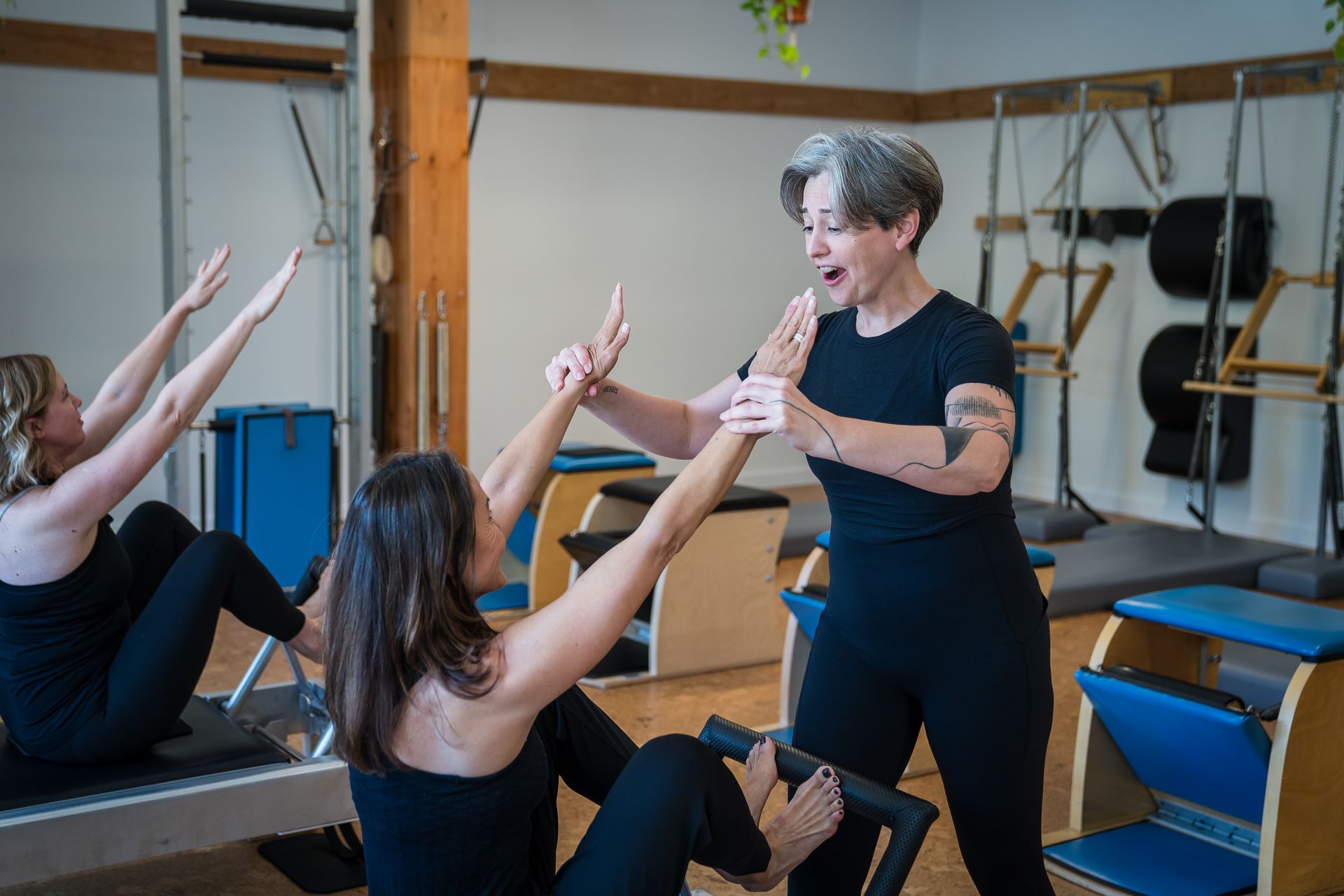
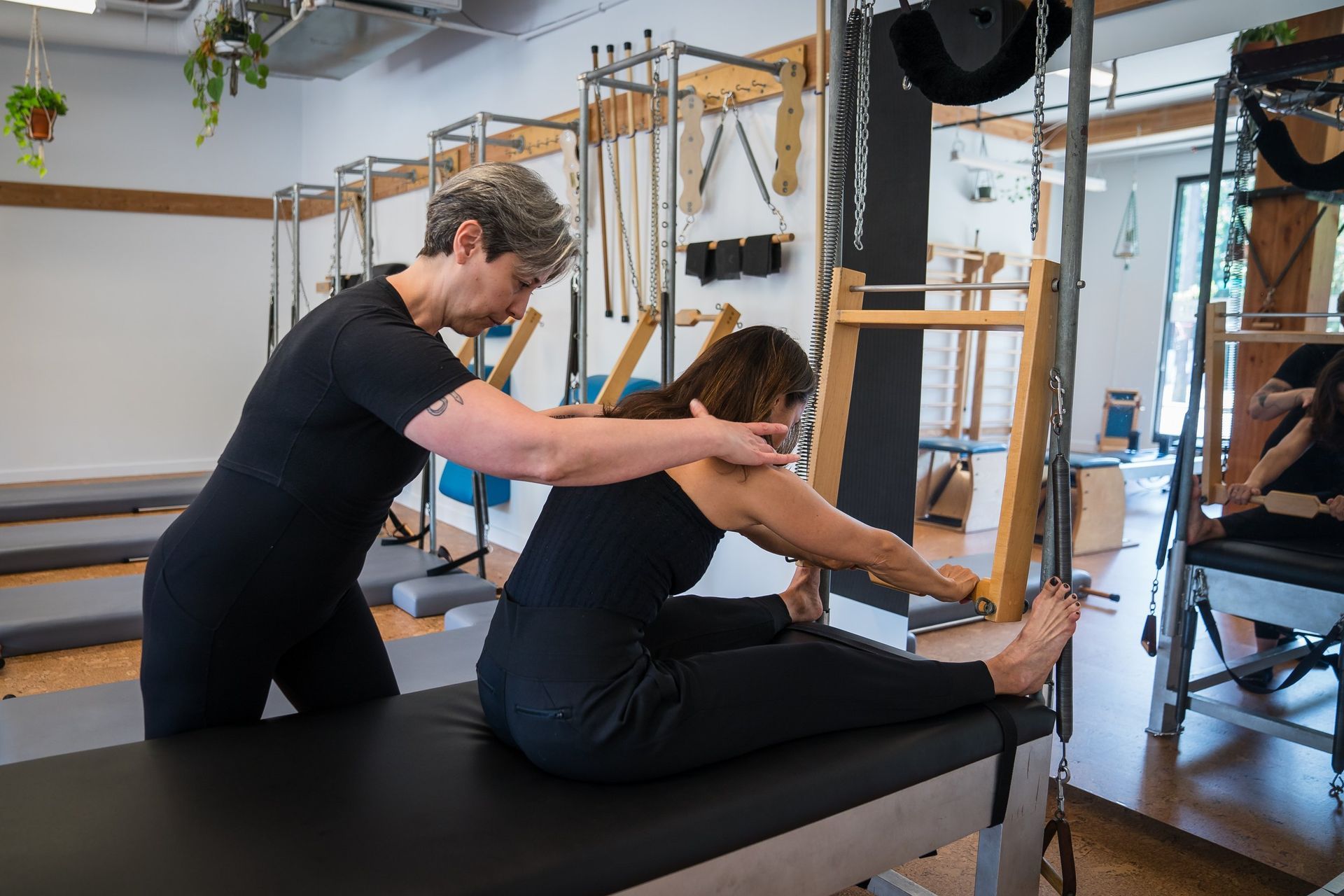
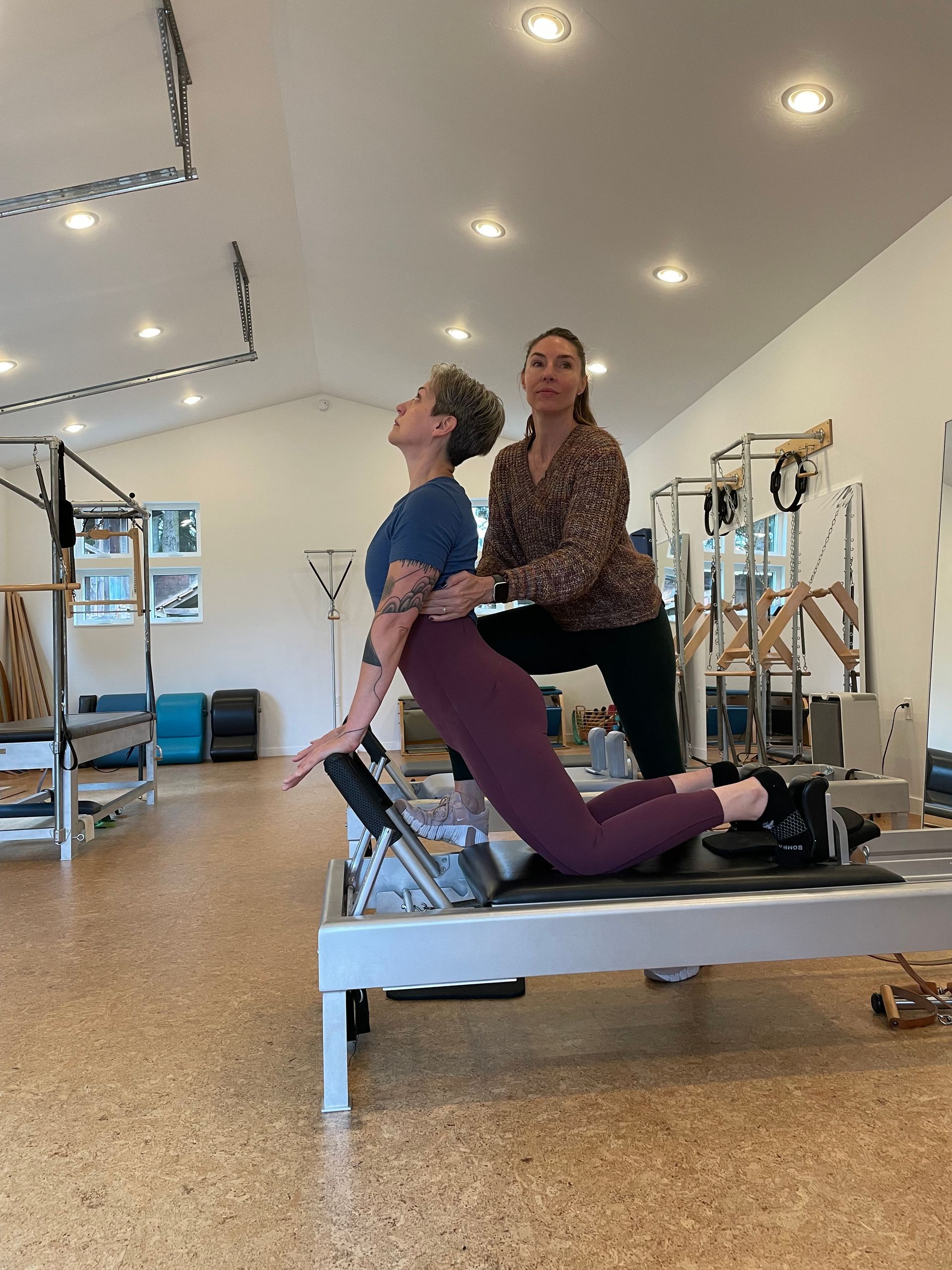
Unlike larger fitness classes where everyone performs the same movements regardless of individual needs, private Pilates sessions are tailored specifically to the person in front of the teacher. Exercises can be selected, adjusted, or progressed based on the student's body, movement patterns, experience level, and goals.
You are not simply exercising.
You are learning a system.
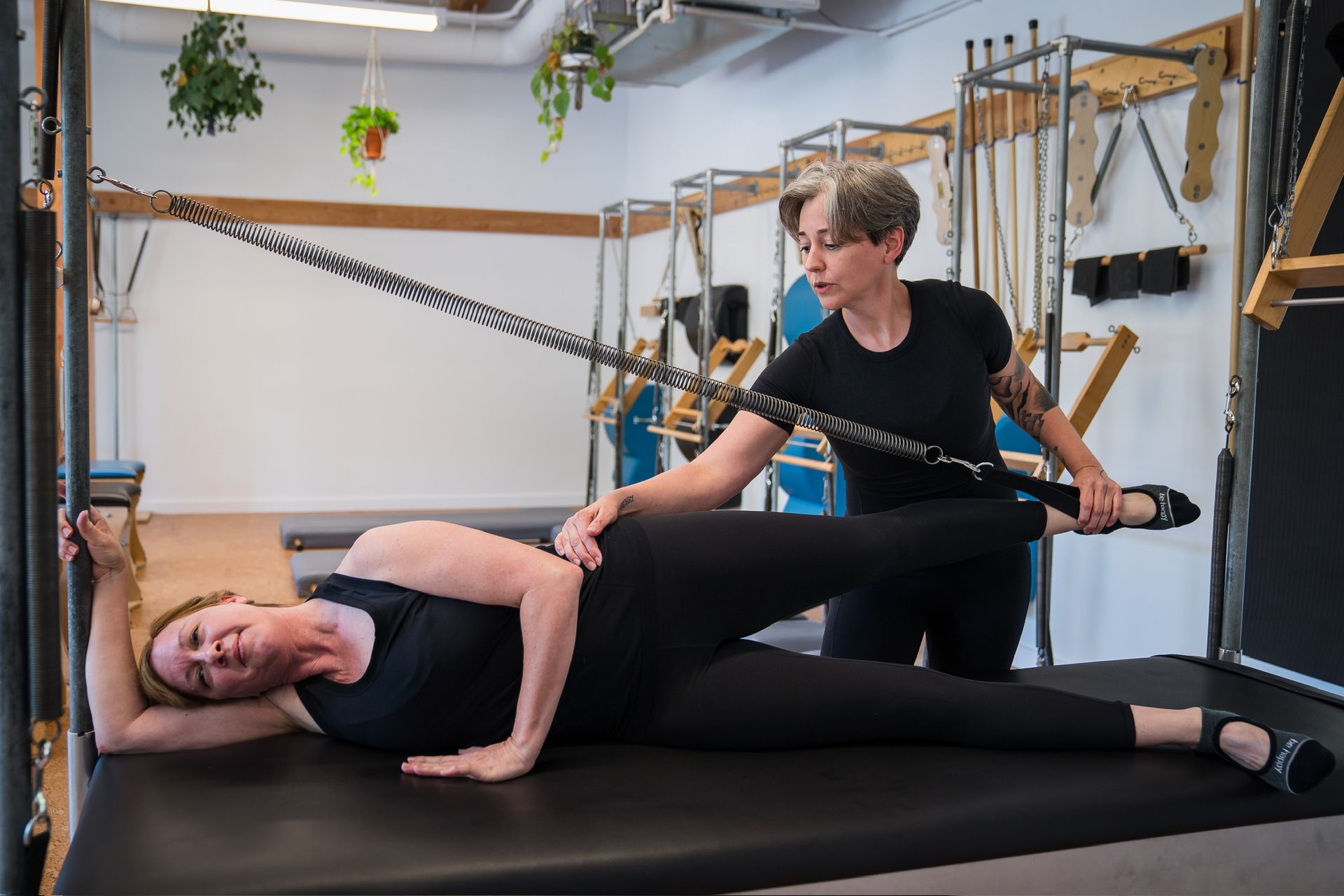
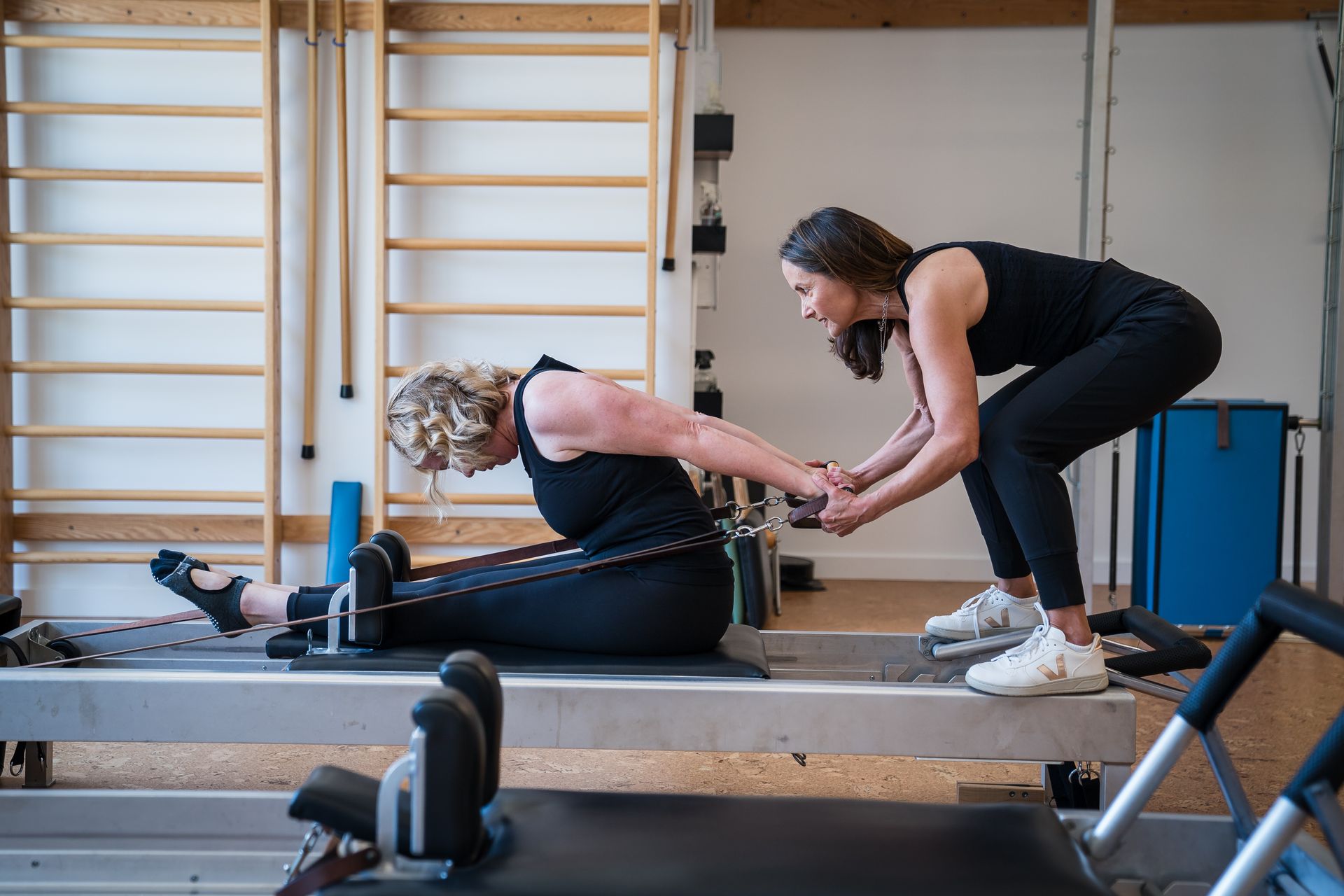
Private instruction allows a teacher to provide hands-on guidance, refine technique, address compensations, and ensure that each student progresses through the work in a thoughtful and appropriate way.
For many people, that individualized approach creates a stronger foundation for long-term success and a deeper understanding of the method itself.

The Bottom Line
Classical Pilates is far more than stretching, rehabilitation, core work, or trendy fitness branding.
It is a rigorous and intelligent movement system designed to develop strength, control, flexibility, coordination, stamina, and precision throughout the entire body.
The best way to understand the difference is to experience it firsthand.
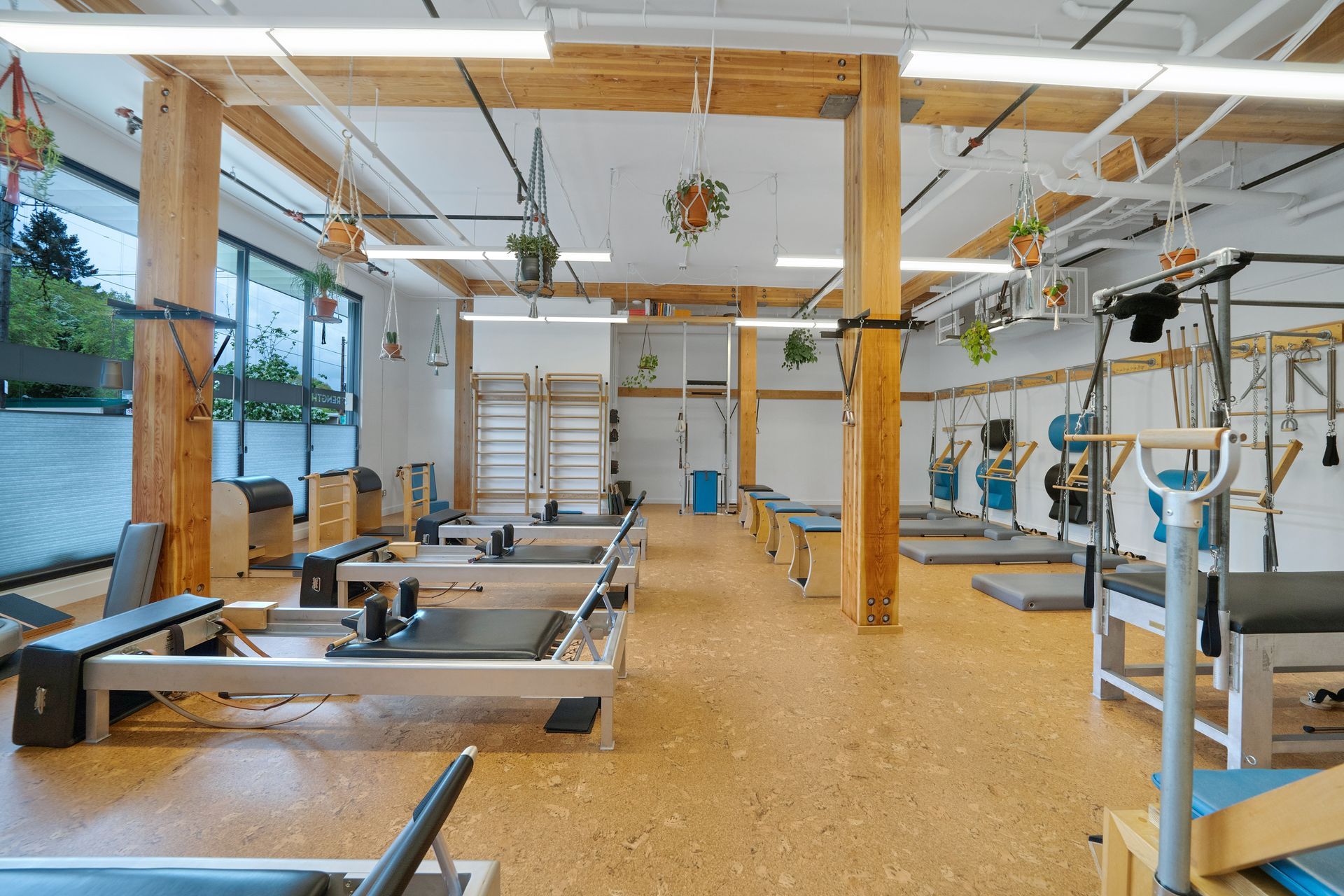
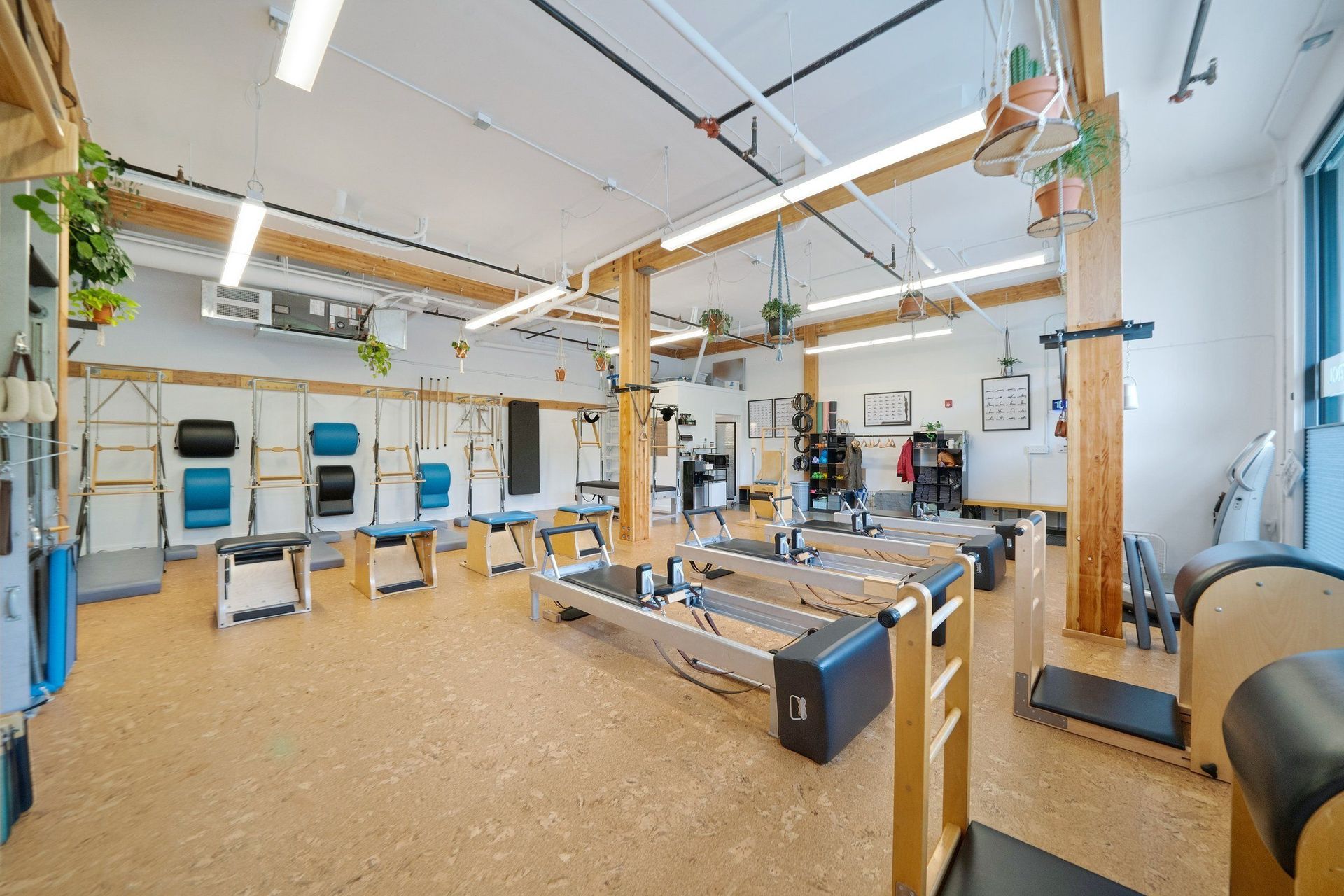
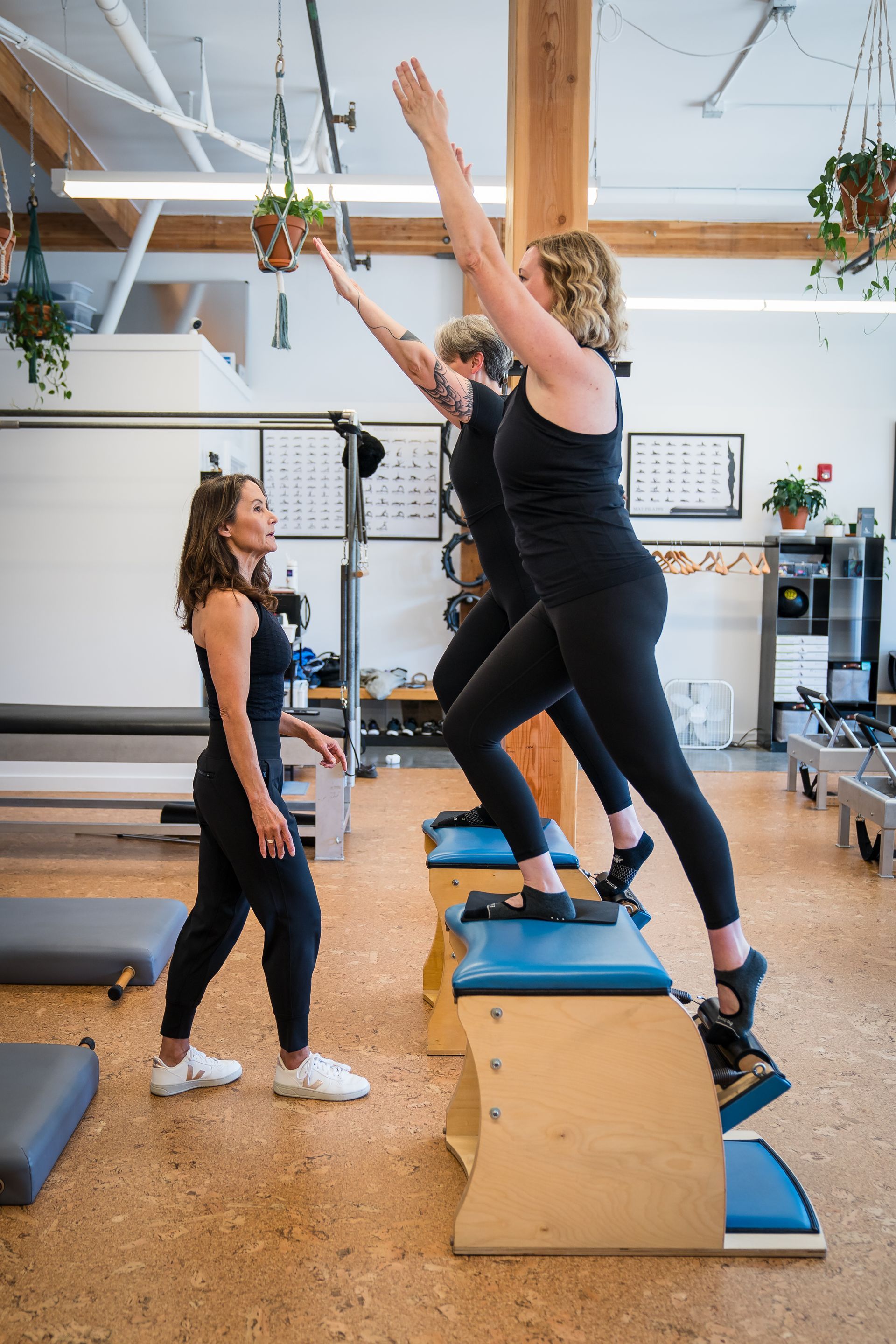
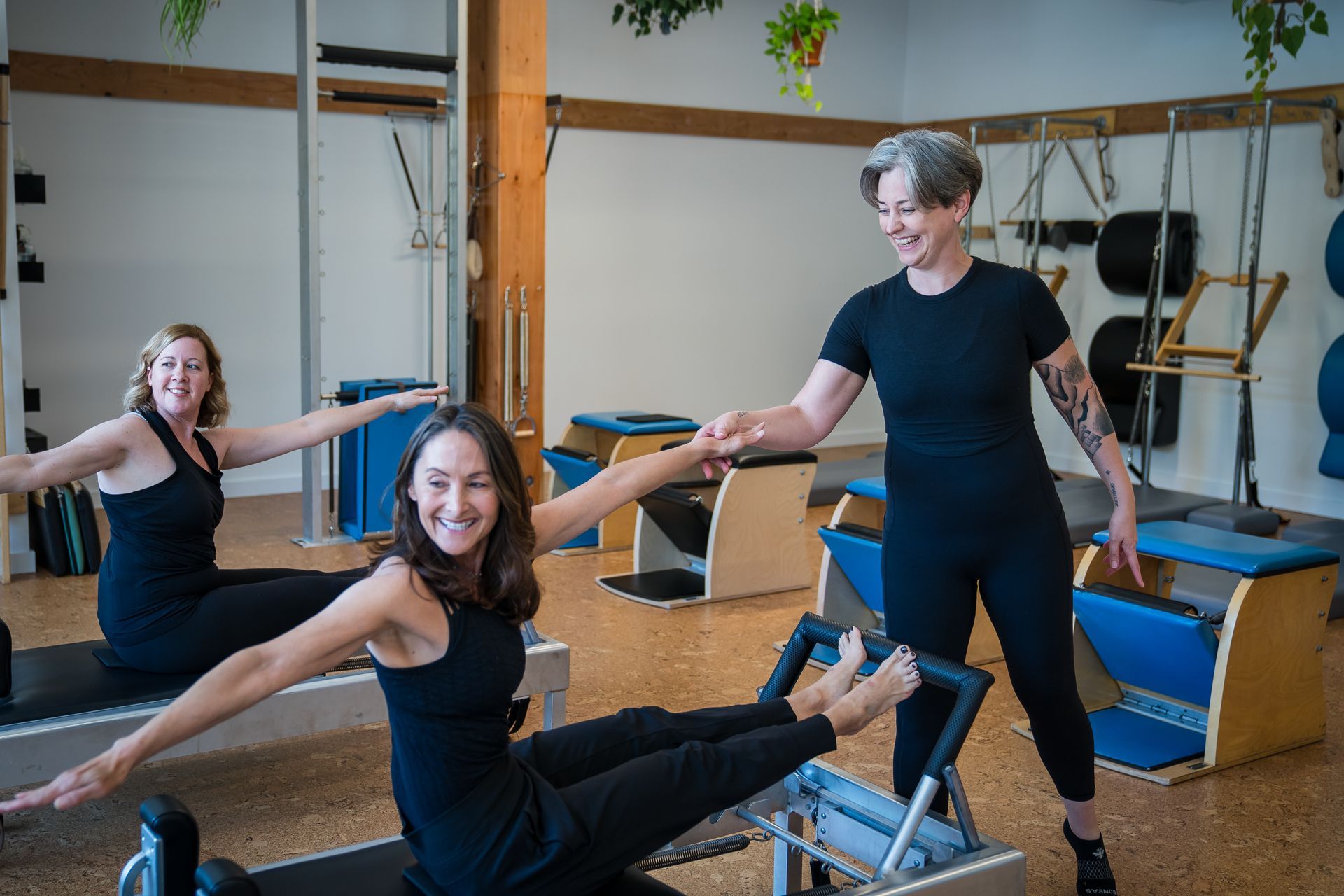
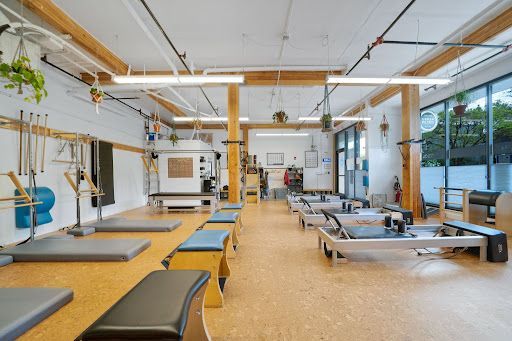
At Urban Pilates, we teach the Classical Pilates Method as a complete system using original-spec Gratz apparatus, small class sizes, and individualized instruction. Whether you're new to Pilates or looking to deepen an existing practice, our goal is to help you experience the method the way it was designed: as an organized progression that develops strength, control, flexibility, and confidence over time.
Explore private training, semi-private sessions, and small group classes at Urban Pilates and discover what the Classical Method feels like when taught as a system rather than a trend.
Recent Posts