Breath and Its Role Within the Pilates Exercises
Breath Is Part of the Movement
Breathing is one of the most frequently discussed principles of Pilates, but it is also one of the most easily separated from the rest of the method.
It is tempting to think of breath as an instruction layered over an exercise: inhale here, exhale there, and continue until the repetitions are complete.
In Classical Pilates, breath is not merely a pattern to memorize. It supports the shape, rhythm, control, and intention of the movement.
Sometimes the breath is clearly choreographed, as it is in exercises such as the Hundred. In other exercises, the breathing may be less prescribed. The larger goal is to breathe fully and continuously without allowing the effort of the exercise to create unnecessary tension.
Joseph Pilates and Full Breathing
Joseph Pilates placed considerable importance on breathing in his written philosophy. In Return to Life Through Contrology, he connected full breathing with circulation, vitality, and the cleansing of the lungs. His language reflected the physical-culture ideas of his era, but the central instruction remains useful: do not hold the breath or allow shallow breathing to become the default response to effort.
Many people arrive at Pilates without realizing that they routinely restrict their breathing. They may breathe only into the upper chest, brace the abdomen so strongly that the breath cannot move freely, or hold the breath whenever an exercise becomes challenging.
Pilates asks us to notice these habits.
Full breathing does not mean taking the largest possible breath at every moment. It means allowing the breath to move through the body in a way that supports rather than interrupts the exercise.

Breath Gives Movement Its Shape
Breath can influence the shape and quality of an exercise.
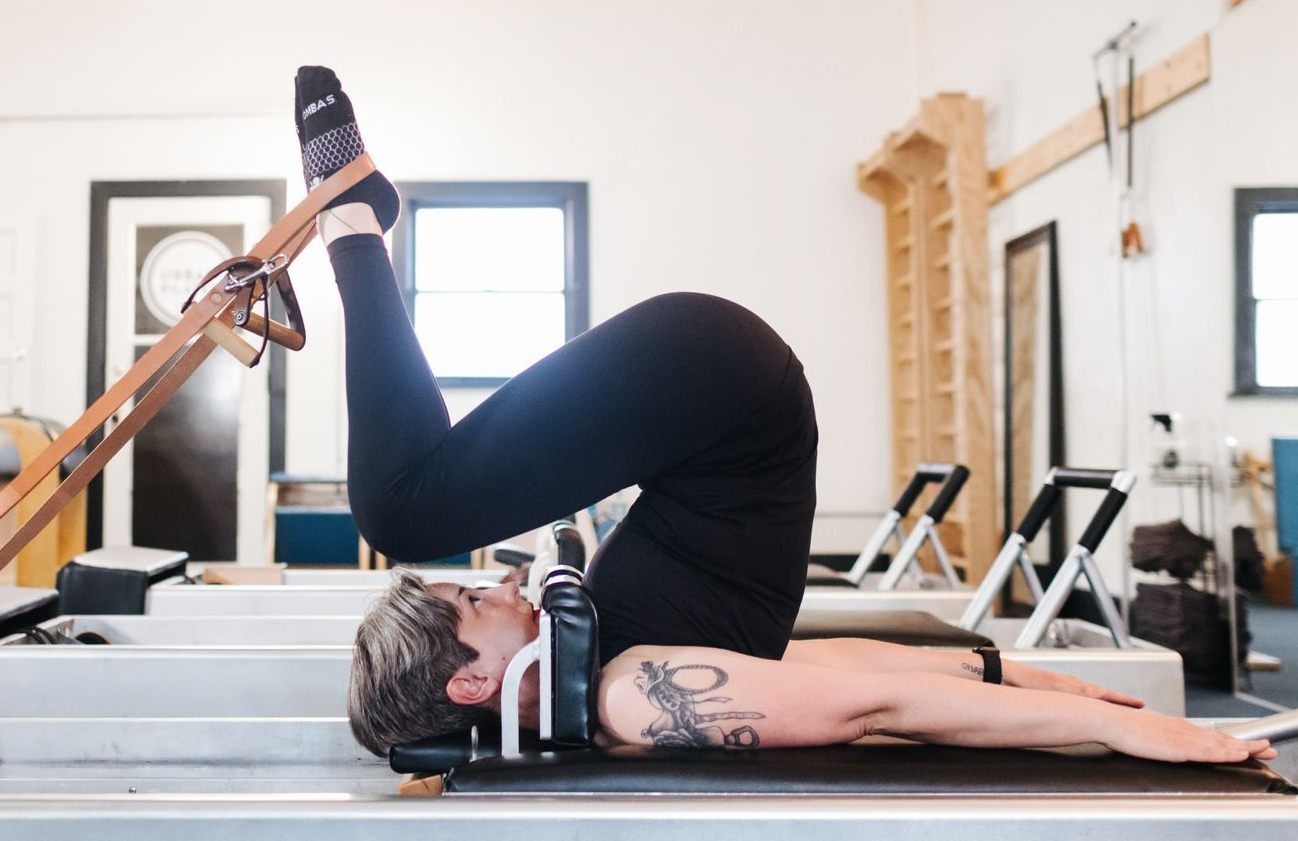
An exhalation may help deepen a curl of the trunk, organize the abdominal wall, or complete a movement without gripping. An inhalation may encourage expansion across the back and sides of the ribs or support a feeling of length and lift.
The breath can also help create space.
When the body is working hard, there is a natural tendency to compress. The shoulders rise, the ribs stiffen, the jaw tightens, and the movement becomes smaller. Breathing can help preserve length and mobility within the effort.
This does not mean that the breath should be exaggerated. Loud or forceful breathing is not automatically more effective. The breath should serve the exercise rather than becoming a performance of its own.
There Is Not One Breath Pattern for Everything
Students are sometimes surprised to discover that every Pilates exercise does not come with one universal breathing formula.
Certain exercises have traditional patterns that are integral to their rhythm and purpose. In others, the breath may vary based on the student, the variation being taught, or the particular correction the teacher wants to emphasize.
A teacher may use an exhalation to help a student find the center, then later encourage more natural breathing once that connection has been established. A student working through fear, stiffness, or excessive tension may need a different breathing emphasis than someone who tends to collapse or lose energy.
The breath is therefore both a principle and a teaching tool.
The objective is not to make every practitioner breathe identically. It is to develop breathing that supports coordinated, controlled, and continuous movement.

Breath and the Powerhouse
Breathing and centering must work together.
The powerhouse should support the movement, but support does not require freezing the ribs or holding the breath. In fact, excessive bracing often makes the body less adaptable.
The challenge is to maintain the organization of the center while allowing the ribs to expand and contract.
This creates a more dynamic kind of support. The trunk is strong without becoming rigid. The breath can move while the body remains connected.
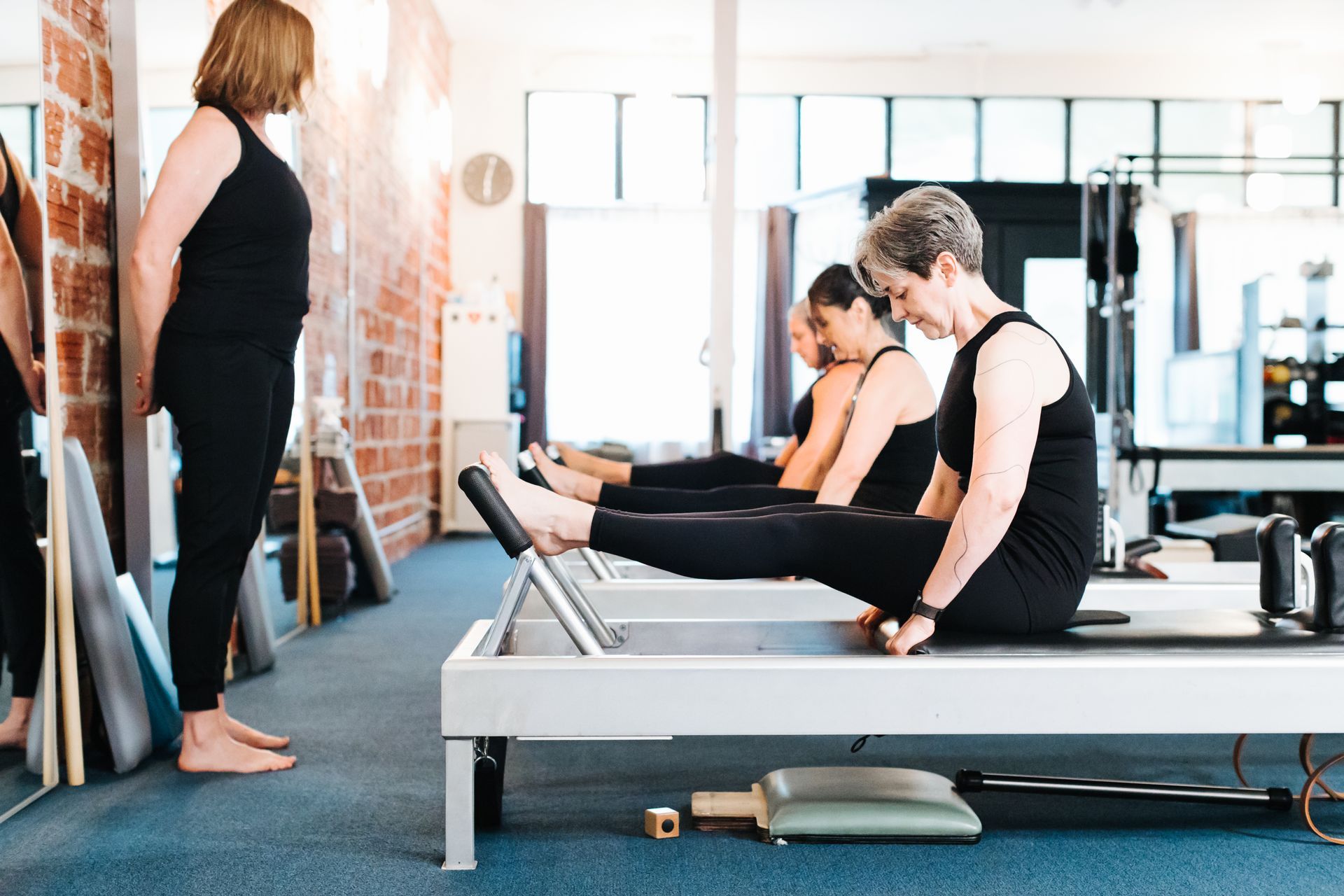
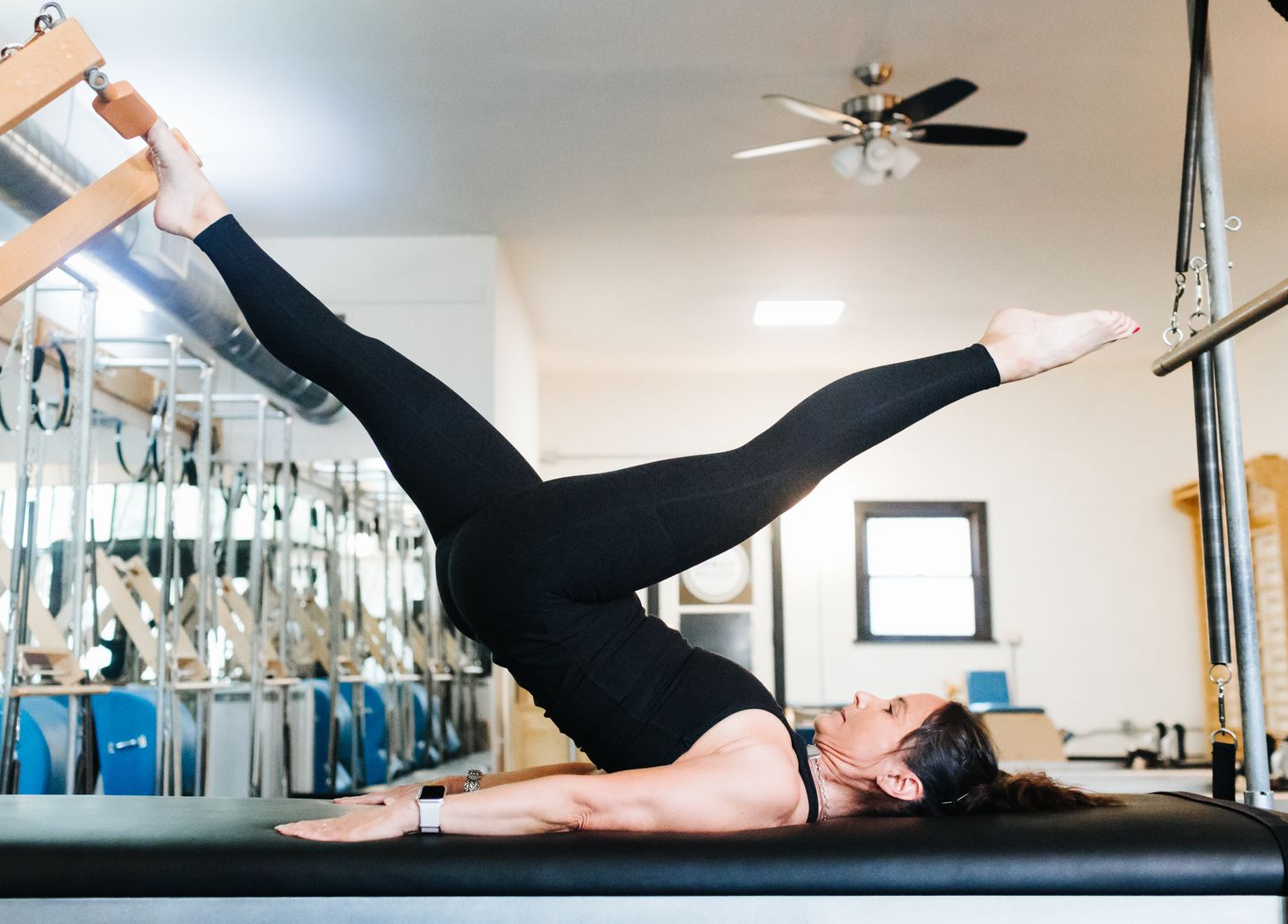
Exercises such as the Hundred make this relationship especially clear. The center must support the position of the body while the breath establishes the exercise’s rhythm. If the abdominal support disappears, the position may become strained. If the body braces too aggressively, the breath cannot remain full.
Both must be present.
Breath Establishes Rhythm
Breath is also closely connected with rhythm and flow.
A smooth breathing pattern can help an exercise develop a clear beginning, middle, and end. It can prevent the movement from becoming rushed or fragmented. When several exercises are performed in sequence, the breath helps sustain continuity from one movement into the next.
Irregular breathing often reveals irregular movement.
A sudden breath hold may indicate that the springs have become too heavy, that the student has lost the connection to the center, or that the exercise is being attempted with more force than control. A rushed exhalation may accompany a rushed return of the carriage.
Listening to the breath gives both the teacher and the student valuable information.
Breathing Into the Back and Sides of the Ribs
In Pilates, instructors often encourage students to breathe into the back and sides of the rib cage.
This does not mean that air literally travels only into a particular part of the lungs. It is an image used to encourage fuller movement of the rib cage, especially when the front of the body is flexed or the abdominal wall is actively supporting a position.
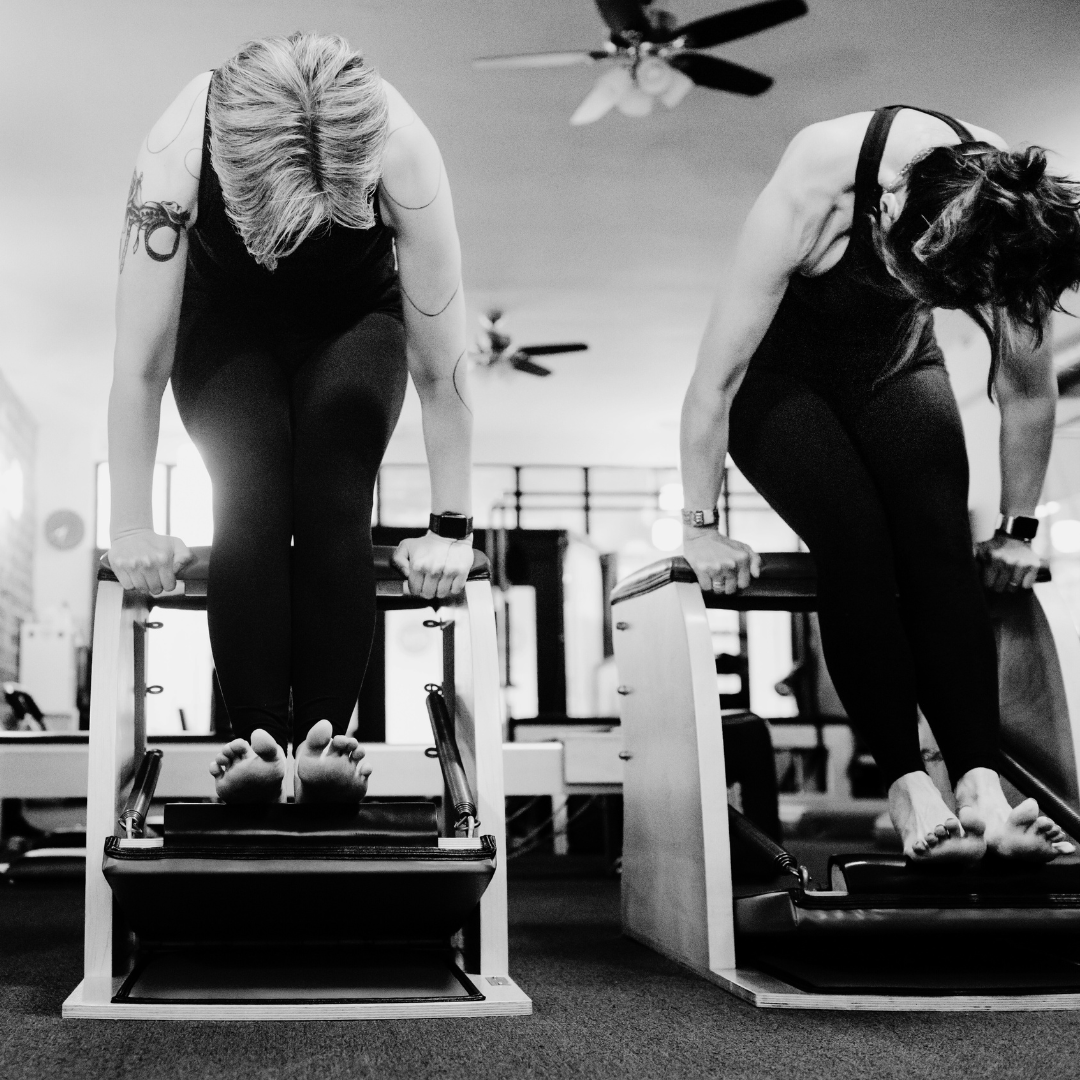
For example, when the body is curled forward, the front of the ribs may be somewhat compressed. Thinking of the breath expanding into the back can help maintain space and avoid collapsing.
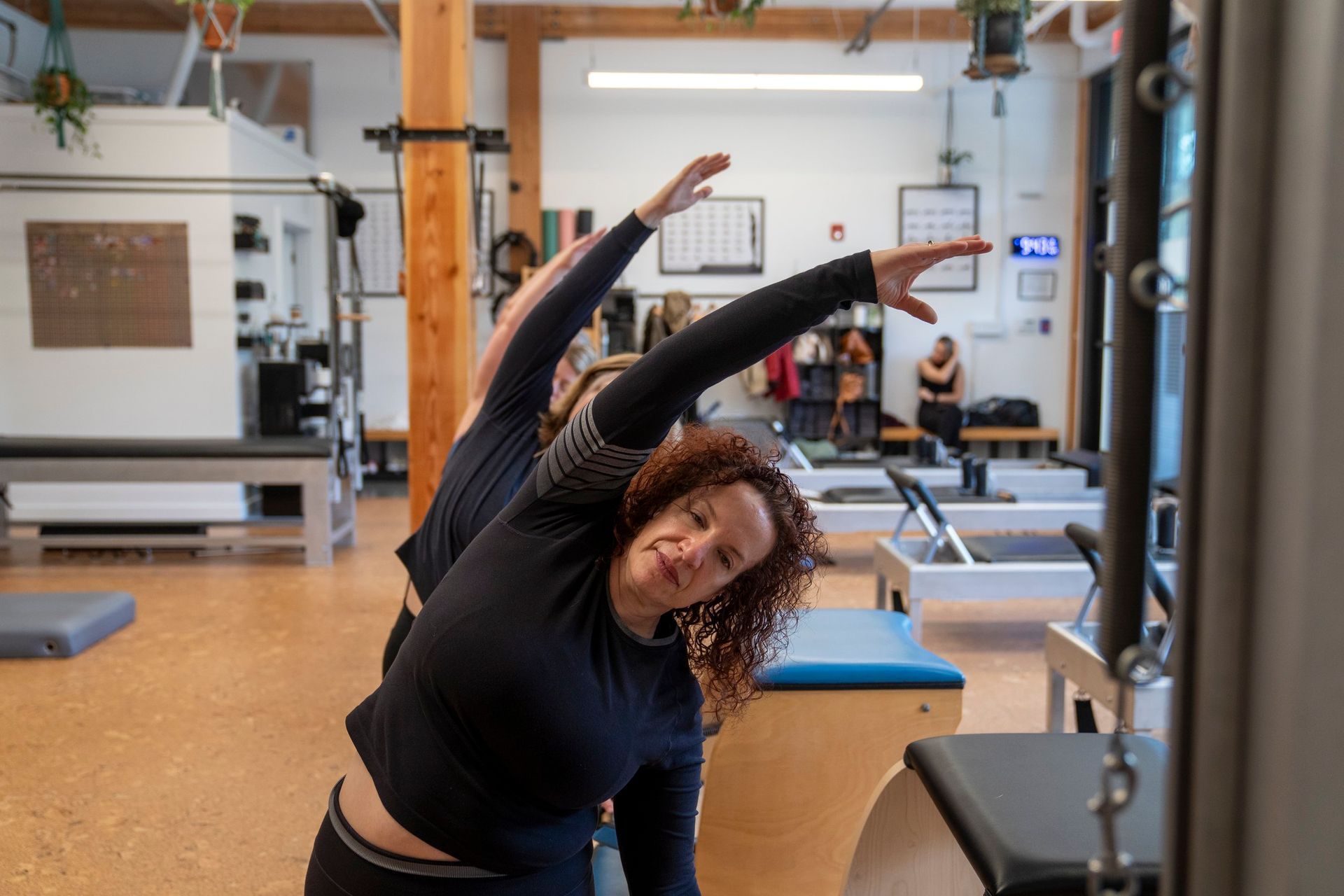
This type of imagery can make breathing feel more three-dimensional. Instead of lifting only through the upper chest, the student begins to sense expansion around the entire rib cage.
Breath Should Reduce, Not Create, Tension
Trying too hard to breathe “correctly” can become its own source of tension.
A student may pull the abdomen inward so aggressively that the breath becomes shallow. Another may take such an enormous inhalation that the ribs lose their organization. Someone else may become so preoccupied with the prescribed pattern that the exercise loses its rhythm.
Breathing should help the body move more freely and efficiently.
When the breath becomes strained, it is worth simplifying. Reduce the range of the exercise, adjust the springs, slow the movement, or return to a more supported position. Once the body feels secure, the breath often becomes more natural.
Learning to Breathe Through the Work
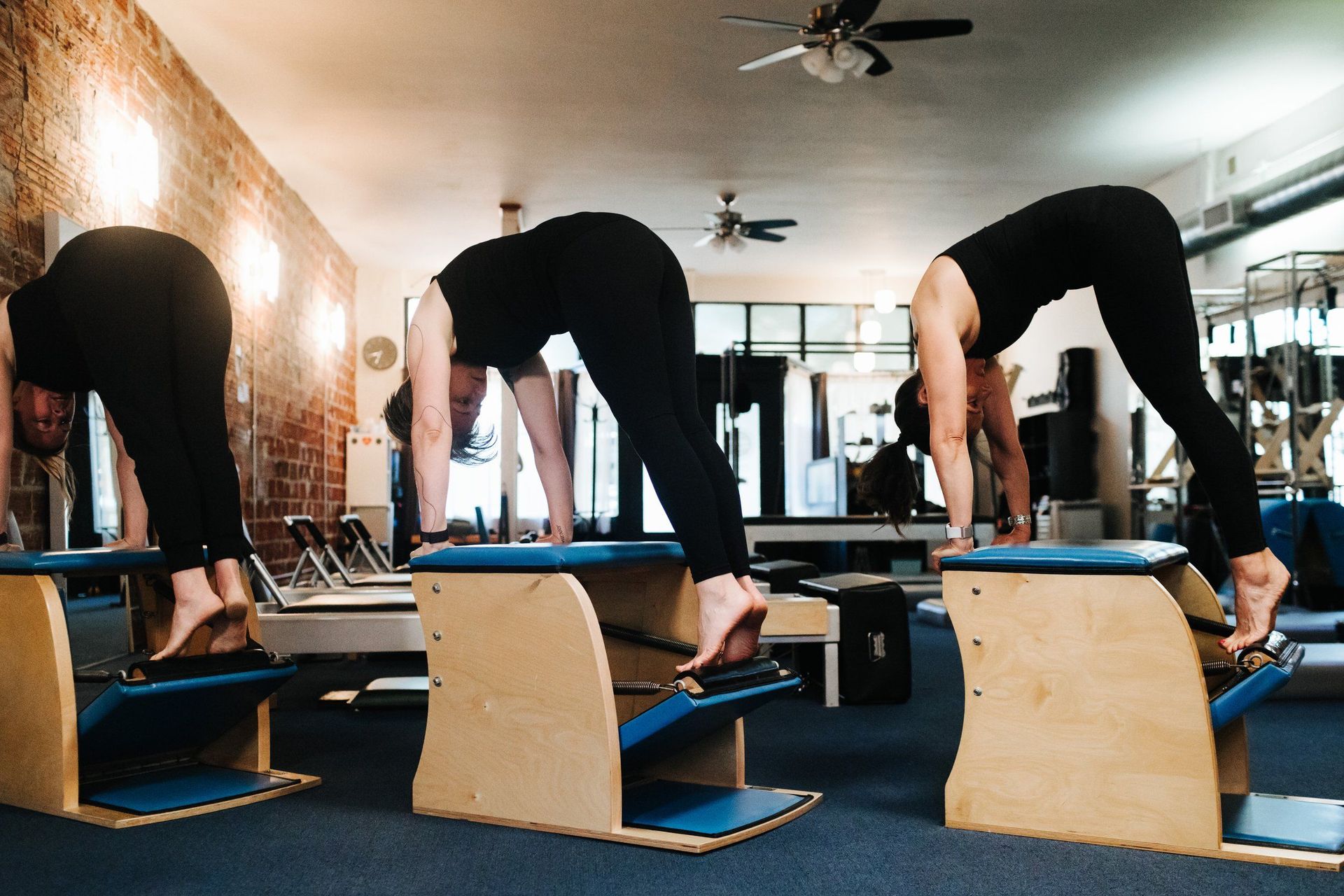
The purpose of breath in Classical Pilates is not to turn every exercise into a breathing drill. It is to learn how to breathe while the body is working.
That skill has value beyond the studio.
When we encounter physical effort, stress, or unfamiliar movement, we often respond by tightening and holding our breath. Pilates gives us repeated opportunities to make another choice: remain connected, continue breathing, and organize the body without becoming rigid.

Experience Breath in Motion
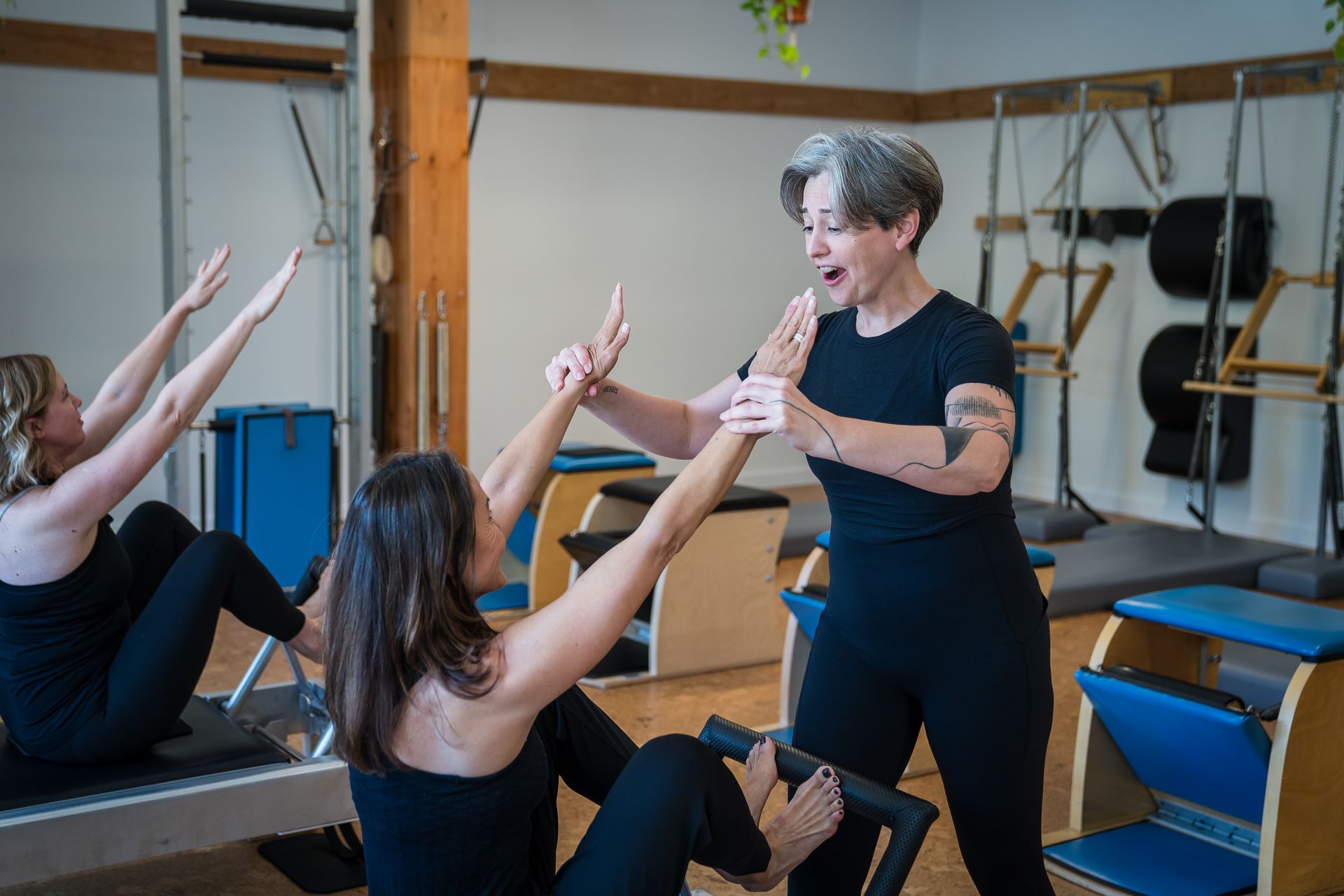
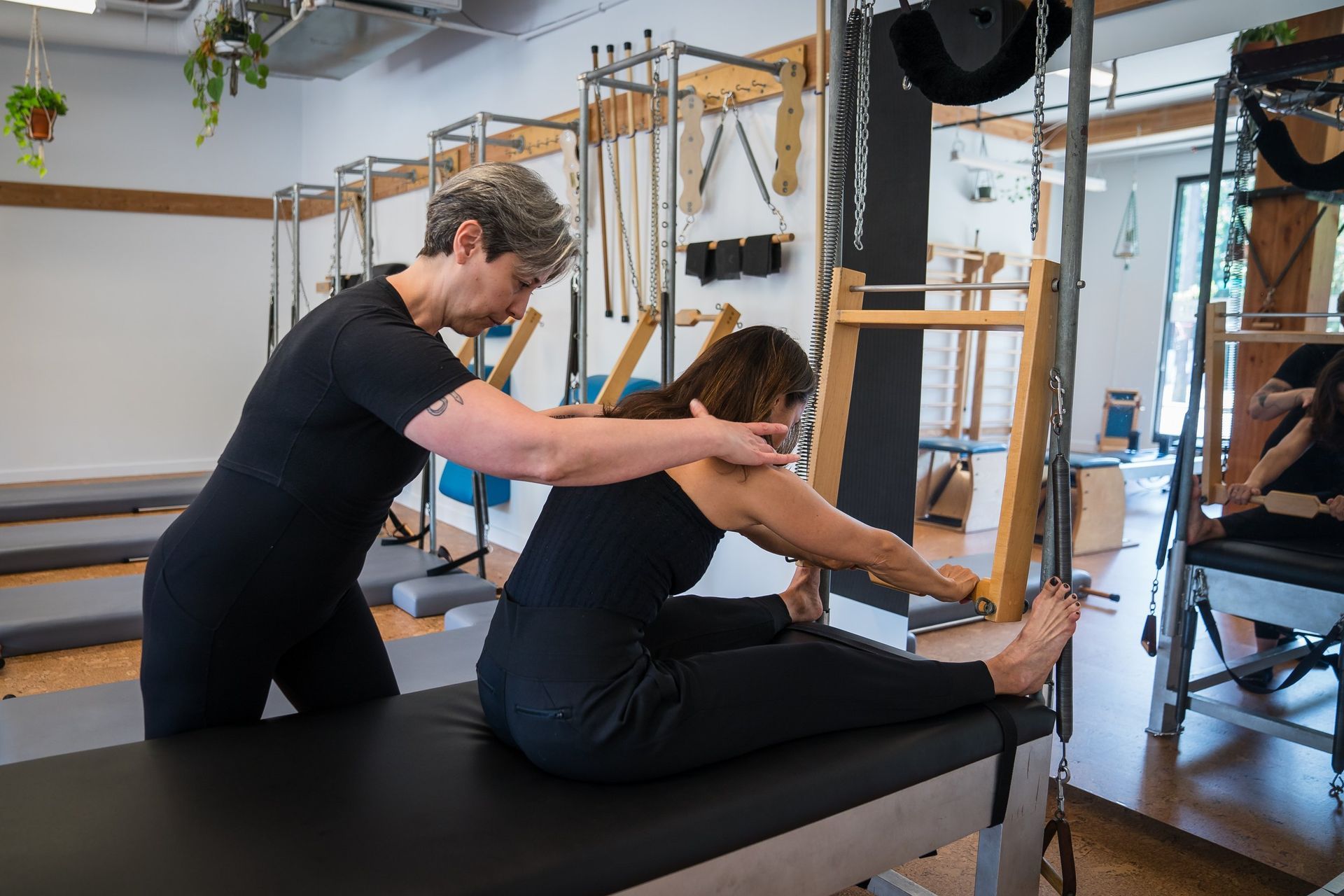
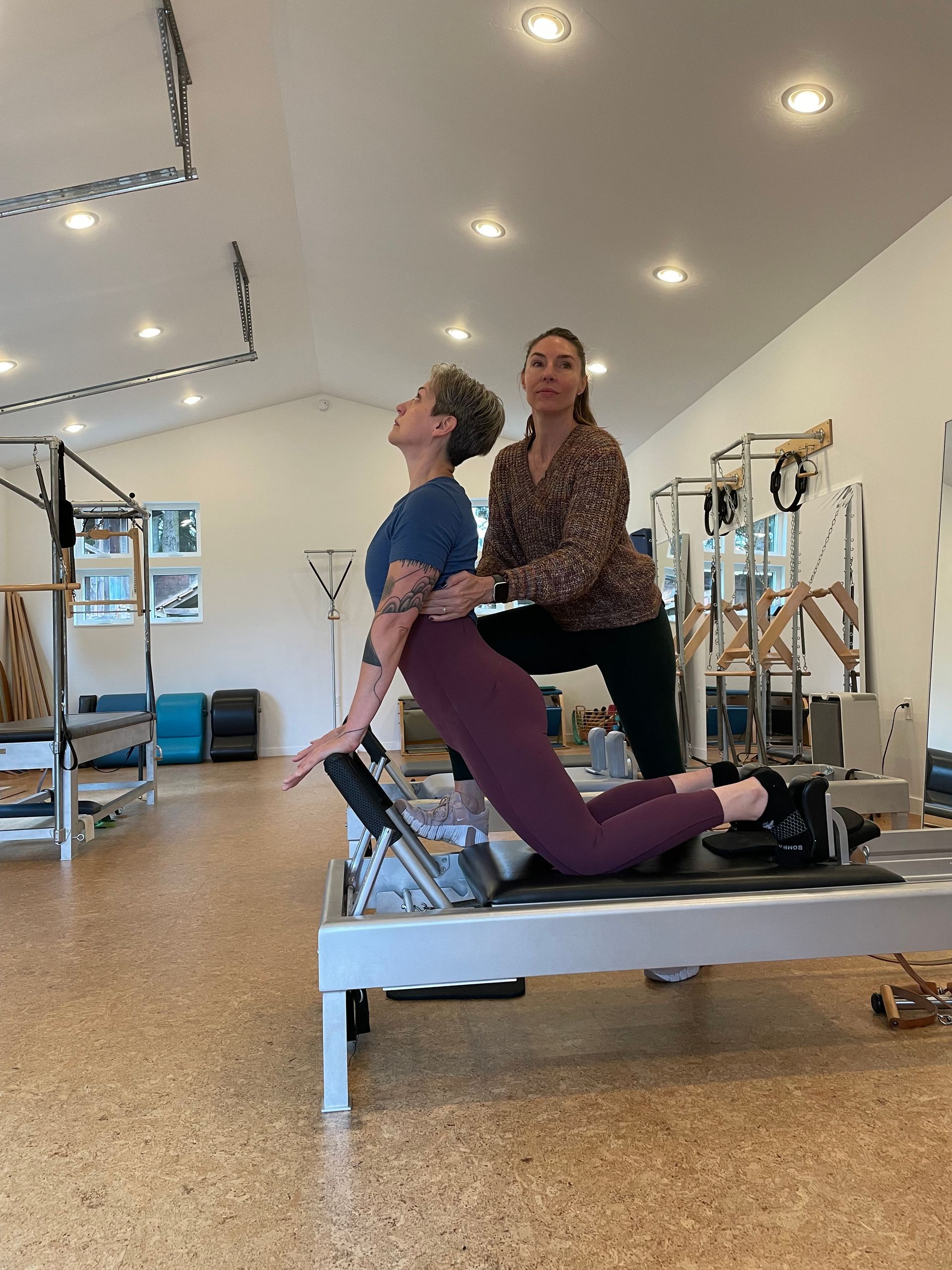
Breath becomes more meaningful when it is connected to movement rather than practiced as a separate set of instructions. Private instruction allows your teacher to observe how you breathe while you move and recognize where tension, effort, or unfamiliarity may be interrupting that process.
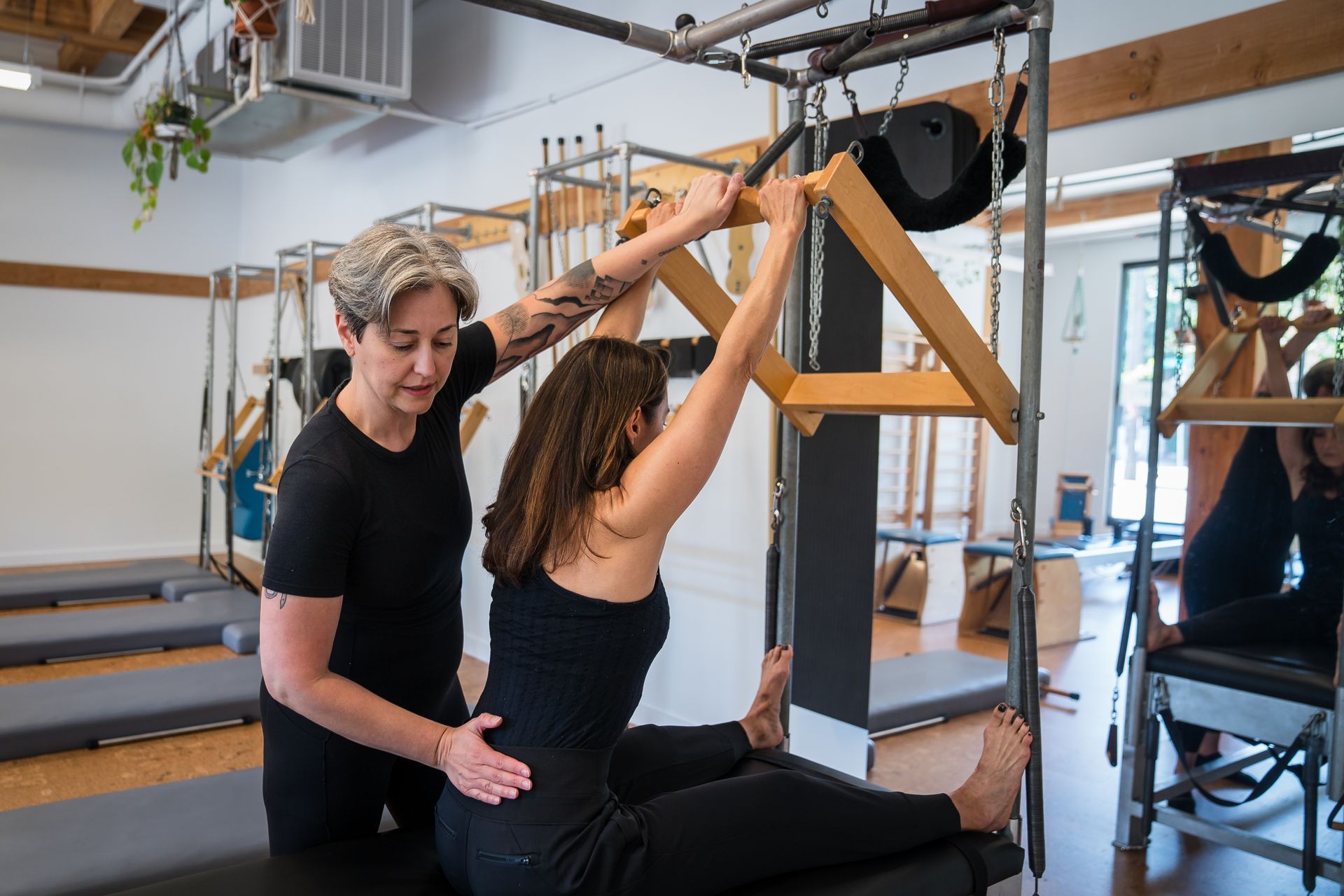
An instructor can adjust the exercise, spring setting, pace, or range of motion so that the breath supports the work instead of competing with it. They can help you find greater expansion through the ribs, maintain the support of the powerhouse without becoming rigid, and recognize when holding your breath is a sign that the movement needs to be reorganized.
Over time, the goal is not to depend on constant reminders to inhale and exhale. It is to develop a more natural and responsive relationship between breath and movement, one that helps you remain connected, supported, and present even as the exercises become more challenging.
To explore how breath functions within your own Classical Pilates practice, schedule a session at urban-pilates.com/schedule or book through the Urban Pilates PDX app.
Recent Posts