
Breath Is Part of the Movement
Movement Begins with Attention
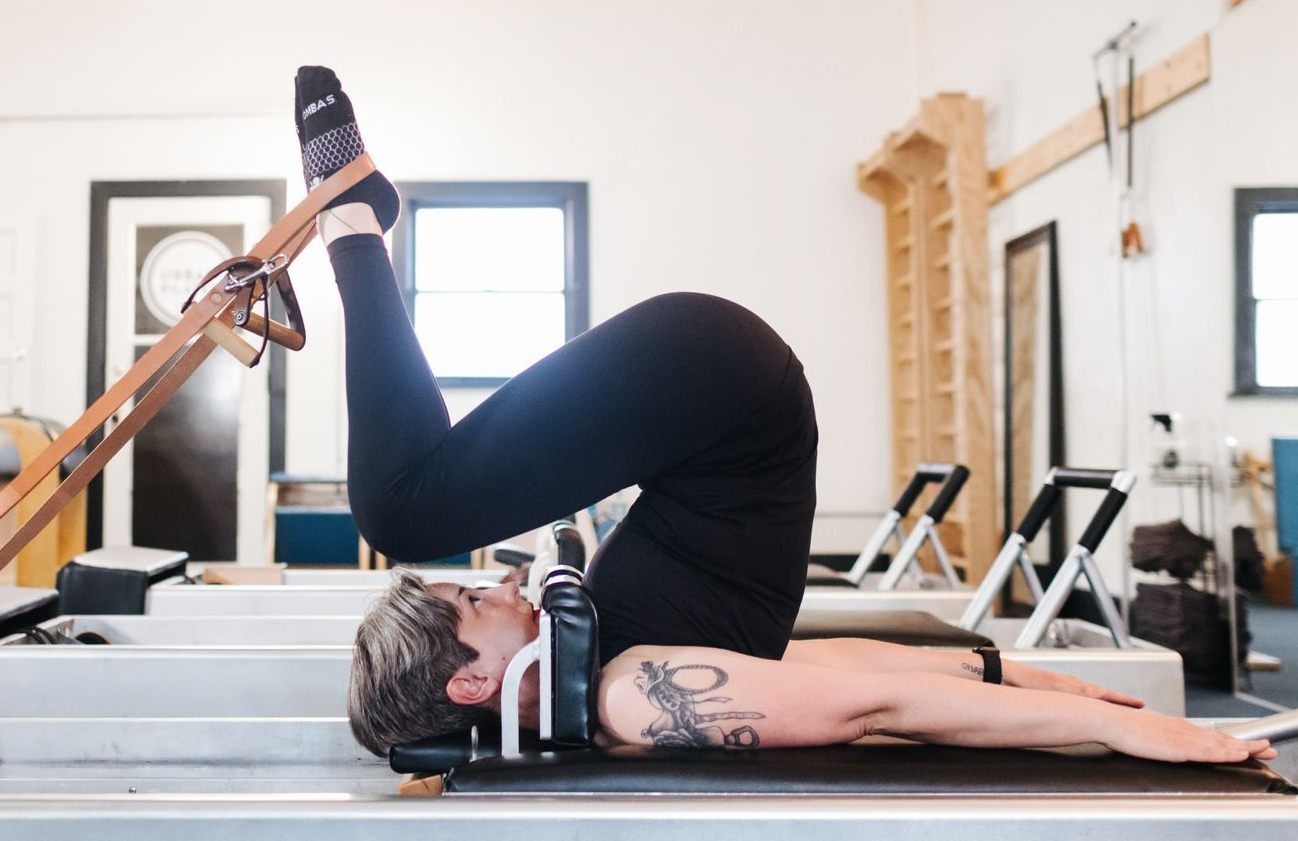
What Makes Classical Pilates Different? Classical Pilates is often described through a familiar group of principles: concentration, control, centering, precision, breath, and flow. These words help us understand the method, but they are not separate techniques that can be added to an exercise one at a time. They are qualities that must work together throughout the entire practice. Joseph Pilates originally called his method Contrology , which he defined as the complete coordination of the body, mind, and spirit. His intention was not simply to create a collection of strengthening exercises. He developed a comprehensive system designed to organize the body, sharpen the mind, improve physical function, and help people move through everyday life with greater vitality. That larger philosophy is at the heart of Classical Pilates.

The Language of Classical Pilates
What is Classical Pilates? A Complete Guide to the Original Method
Separating Fitness Trends from the Classical Method
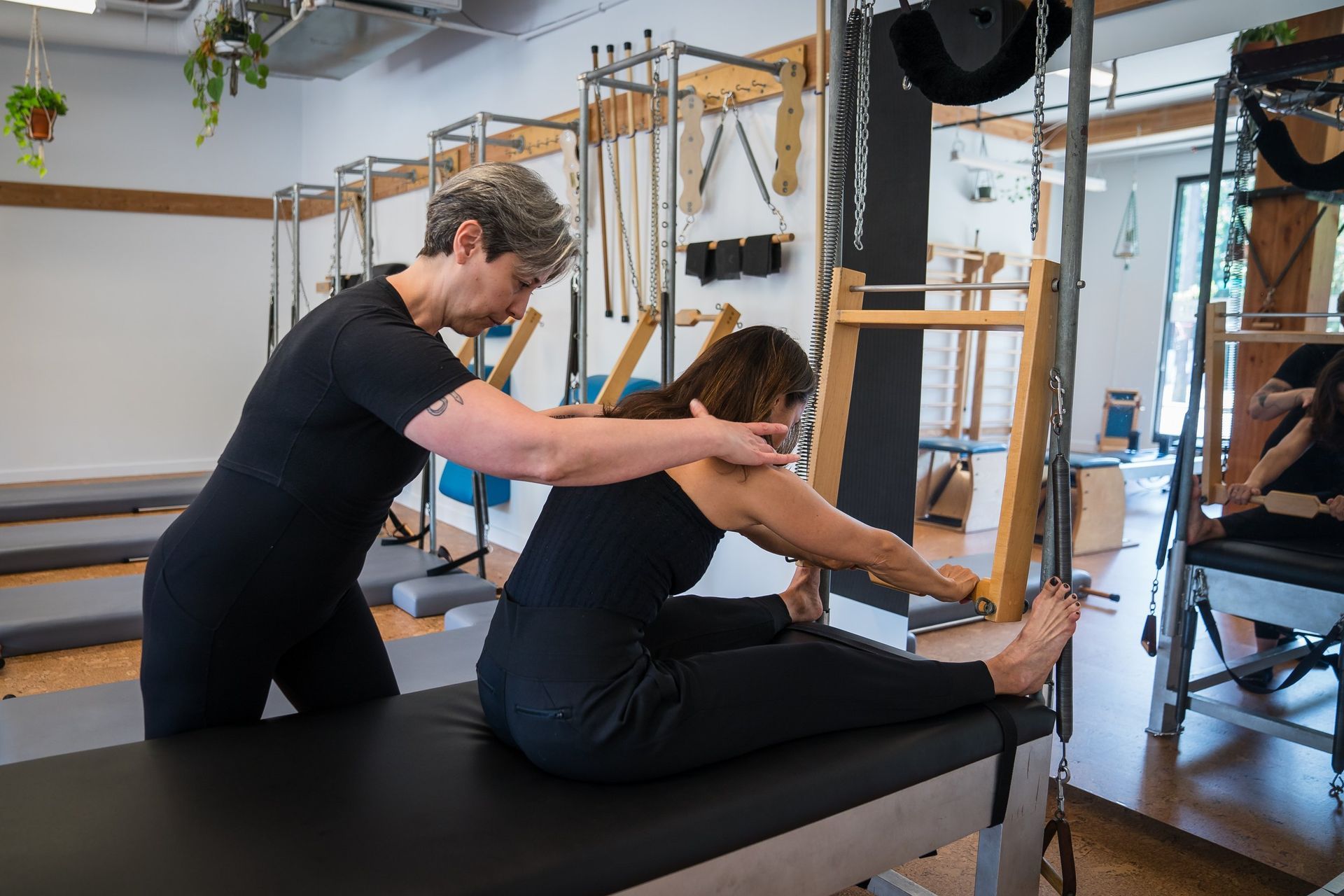
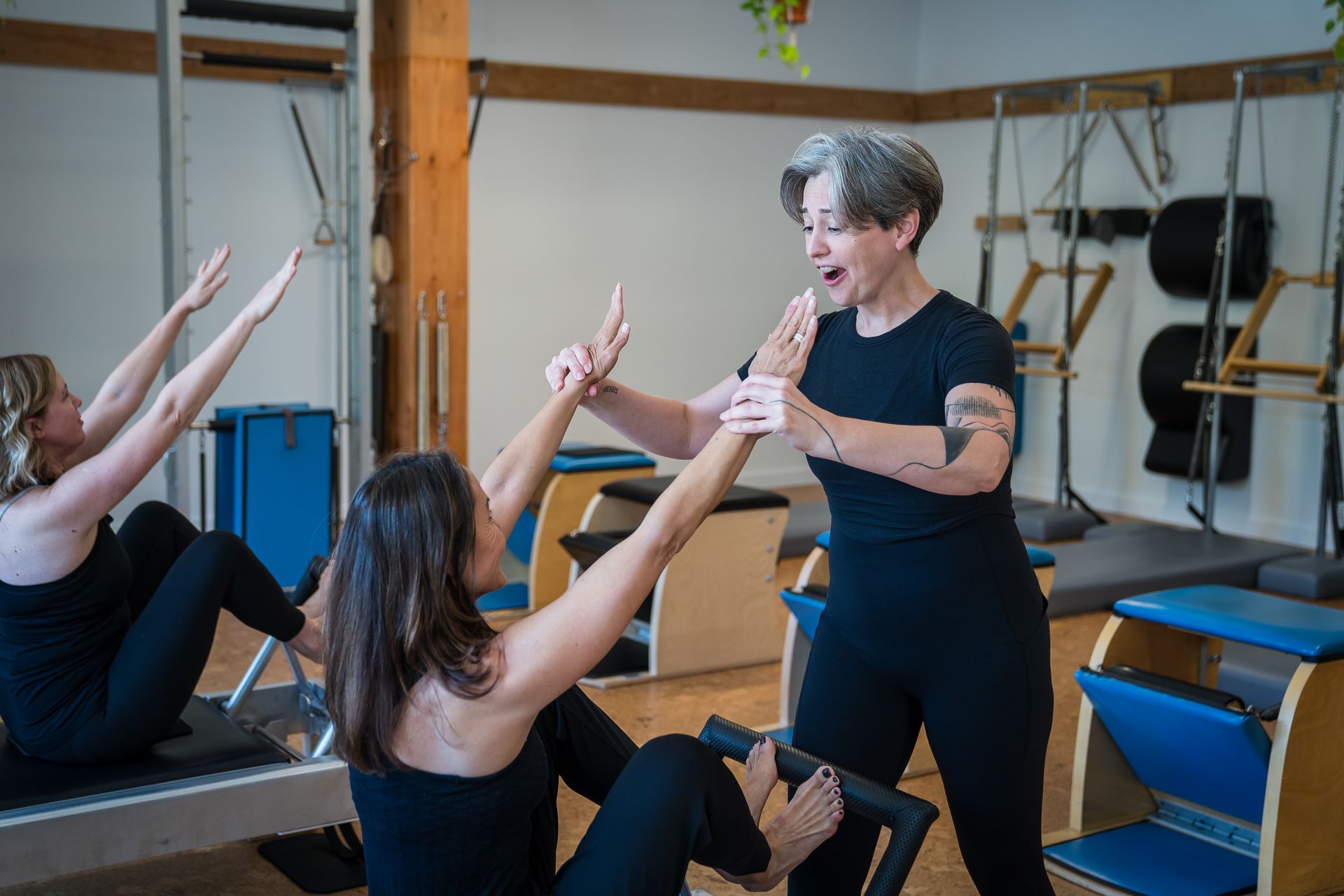
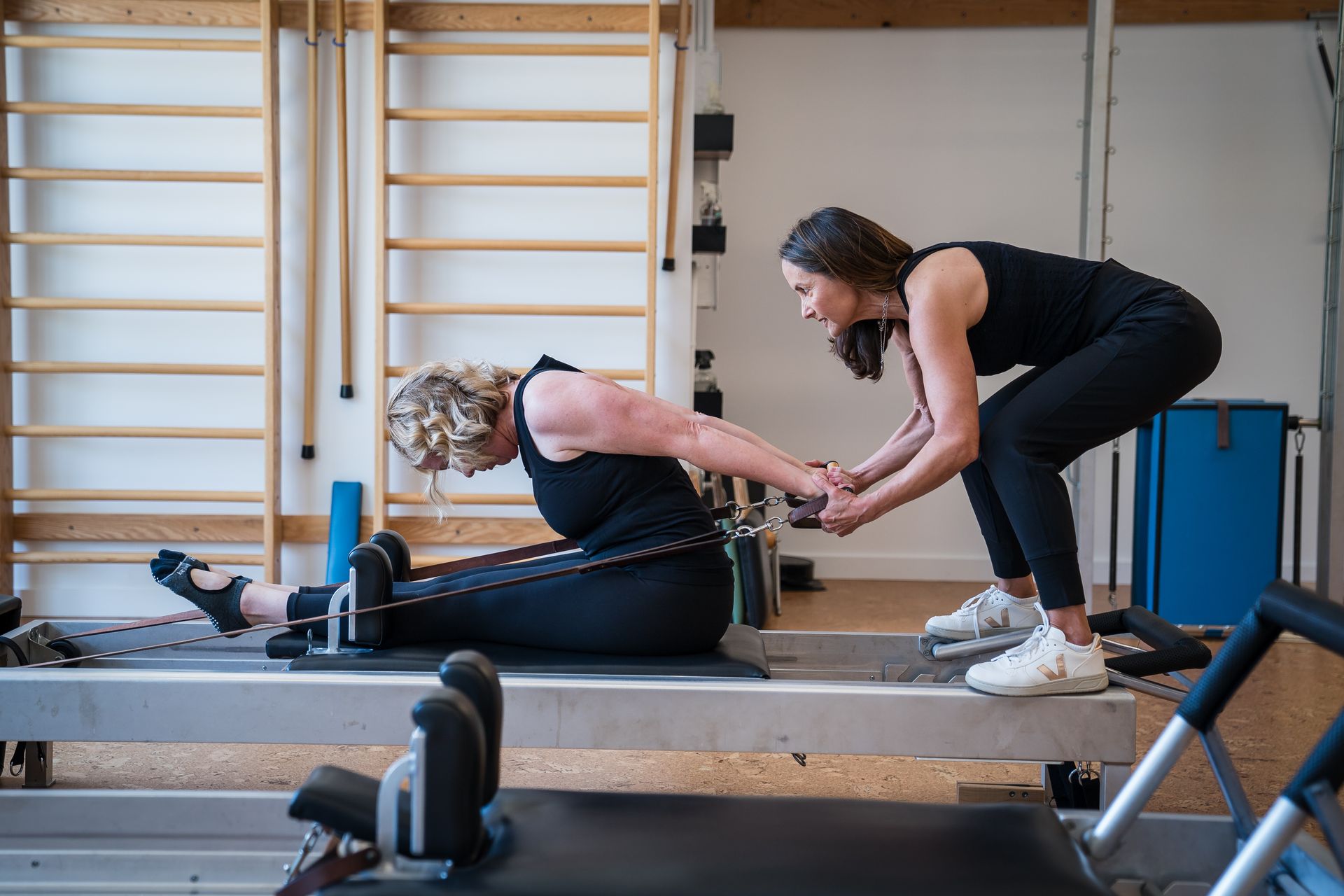
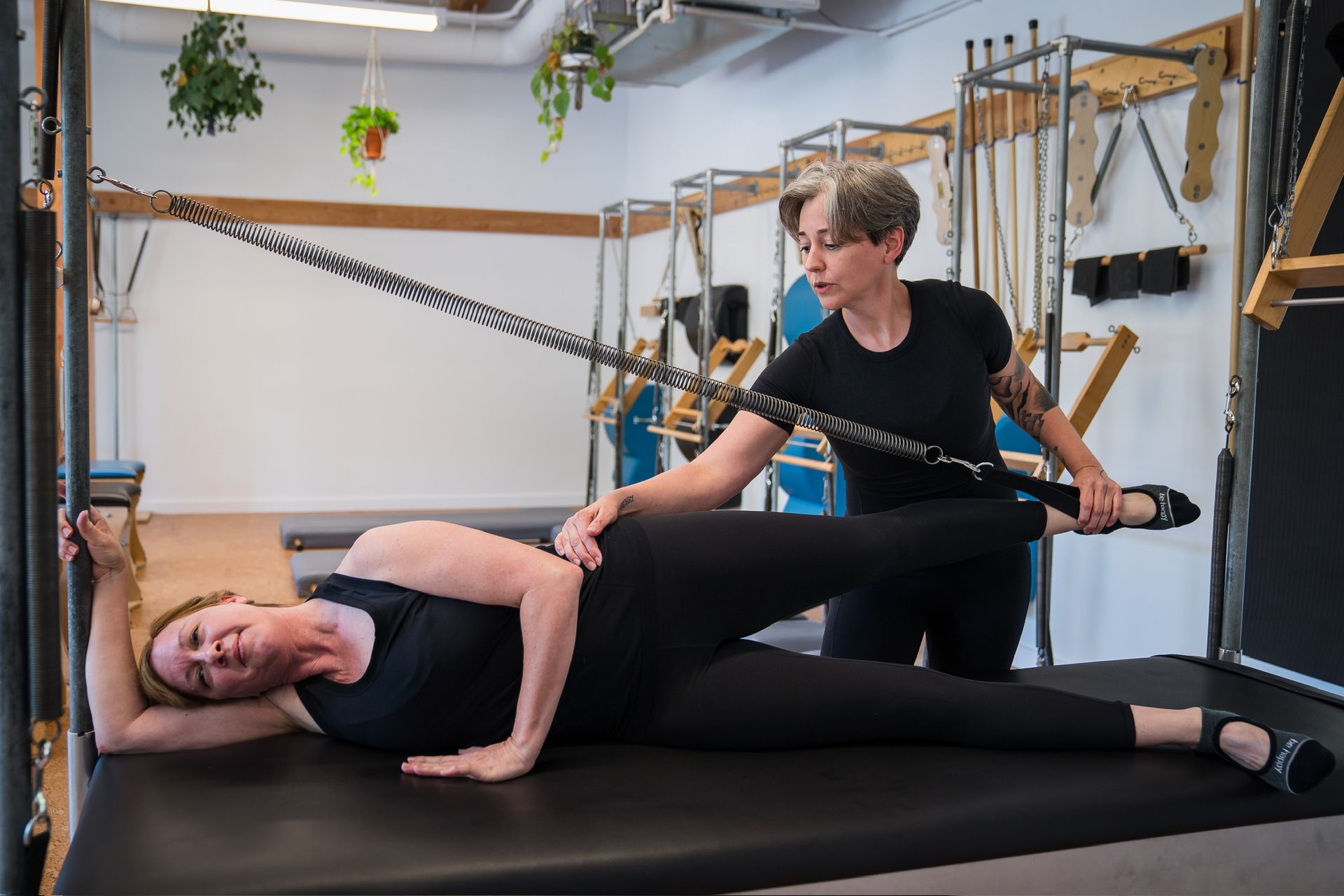
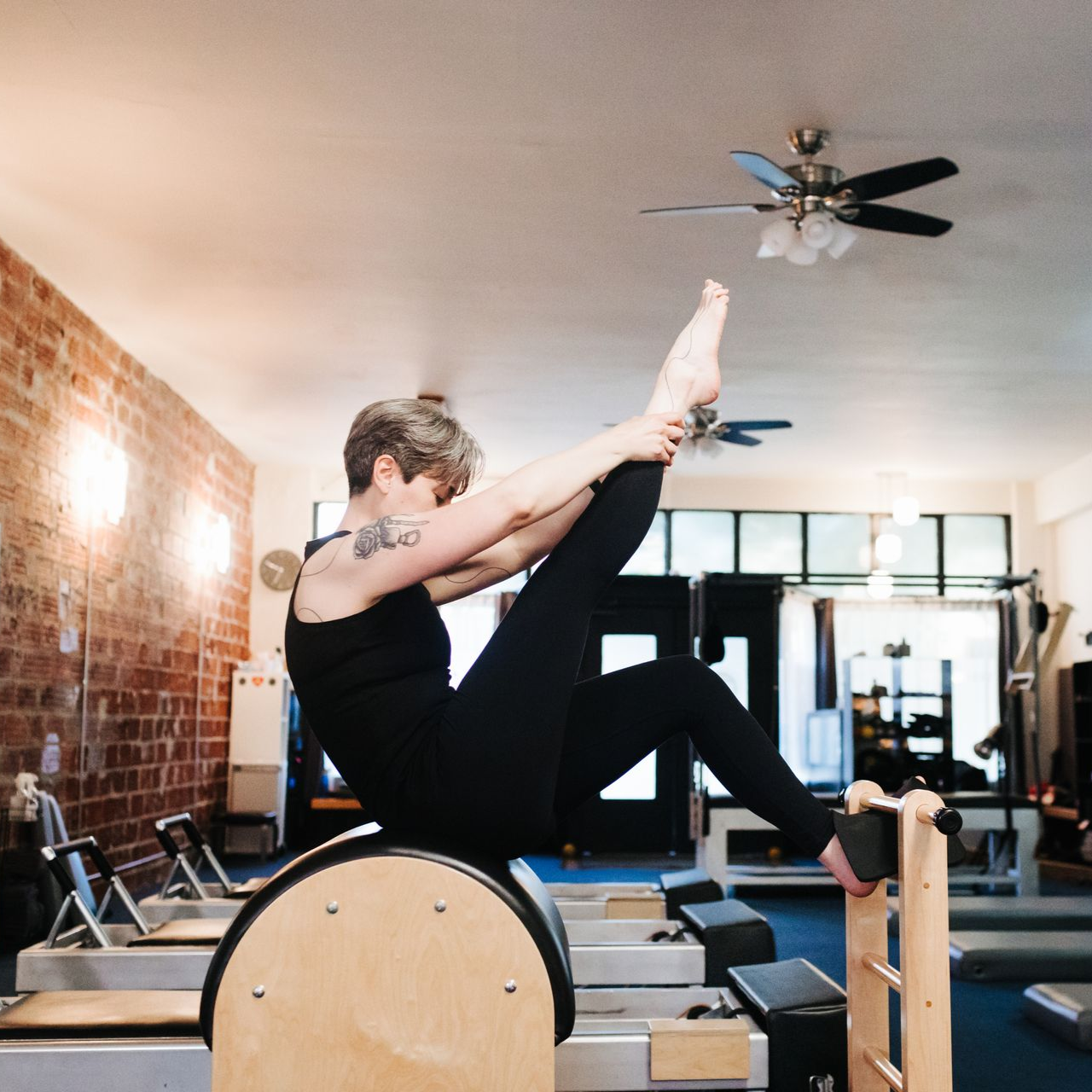
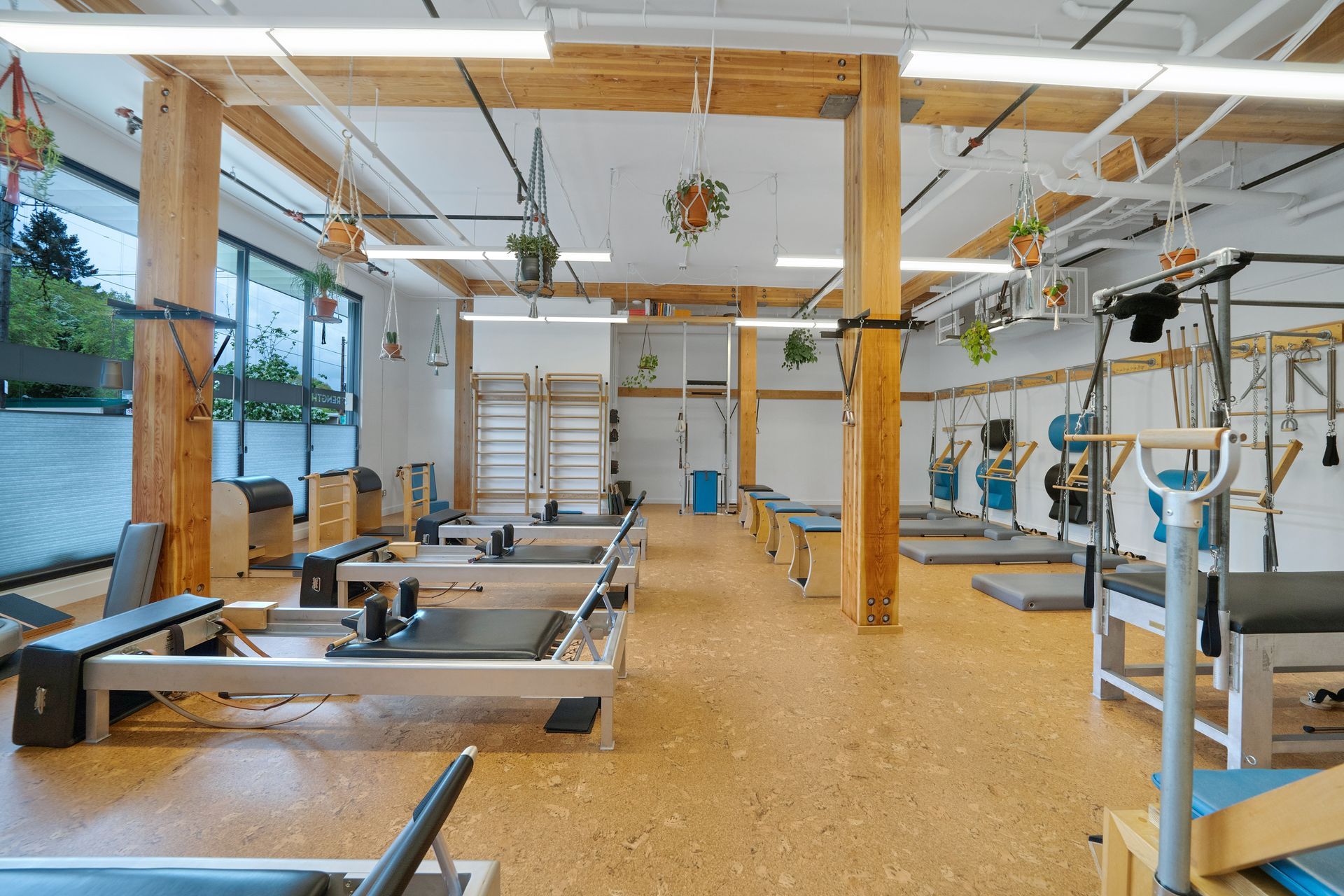
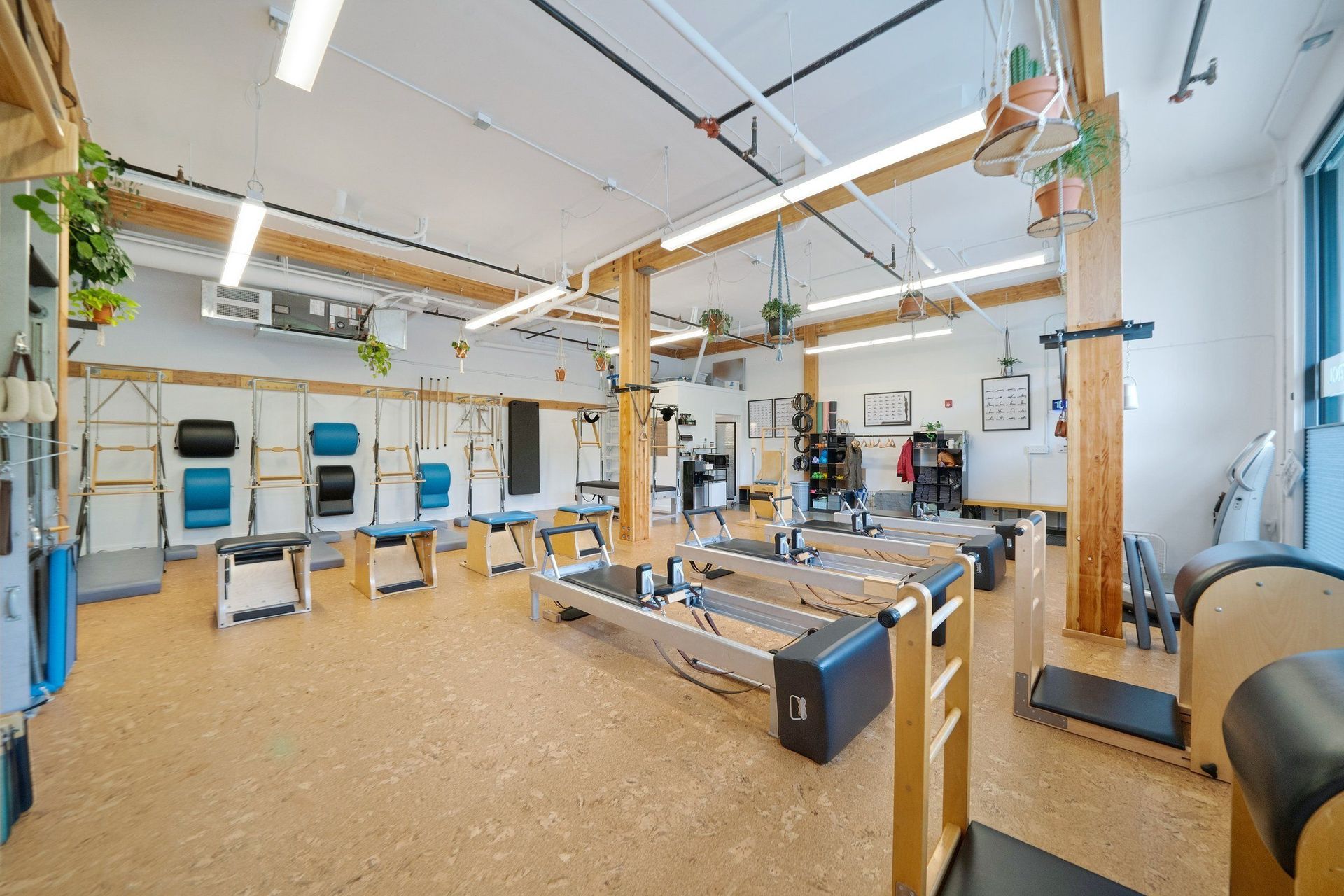
Meeting the Equipment One of the most striking aspects of private instruction is the equipment itself. At Urban Pilates, you'll encounter the Reformer, Cadillac, Wunda Chair, and various smaller apparatus. While these machines might look intimidating at first, they're actually designed to support and challenge your body in the most effective way possible. Your instructor will show you how to use each piece of equipment while adjusting exercises to match your current abilities. The spring tensions on the apparatus are especially helpful here, making any exercise accessible whether you're a complete beginner recovering from an injury or a seasoned professional looking to deepen your practice.
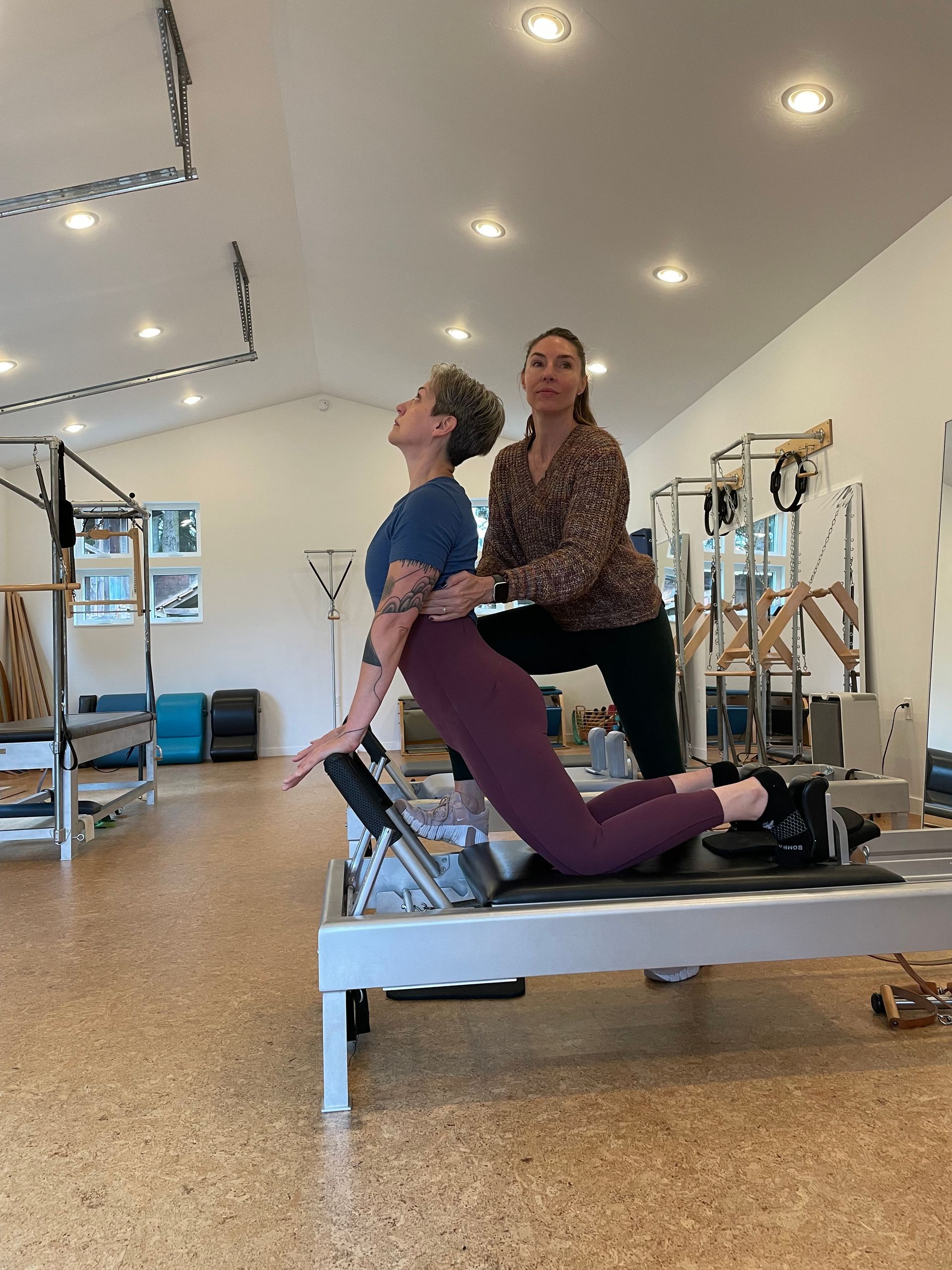
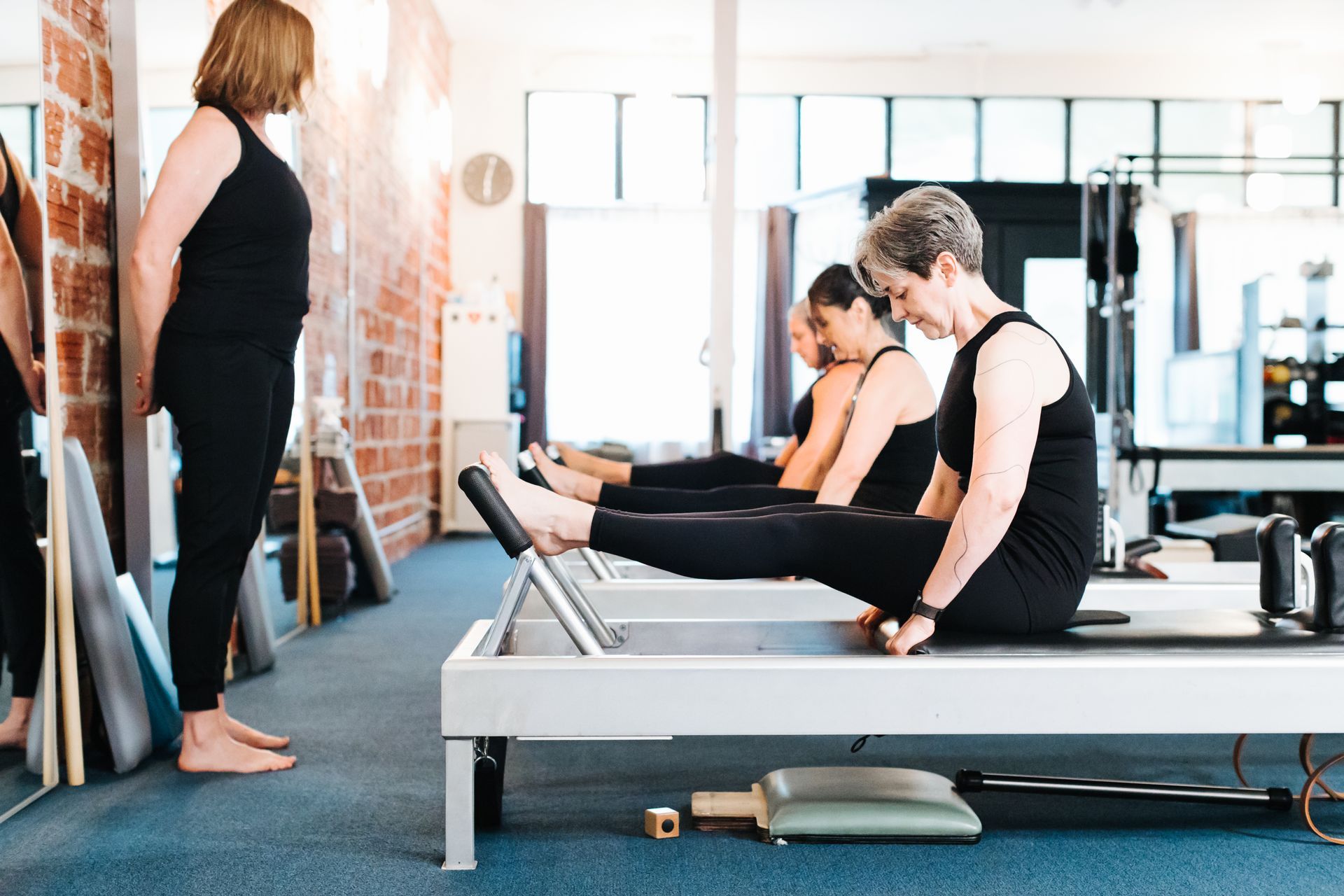
At Urban Pilates, we believe that your body deserves the focused attention
required to do this practice right. In a one-on-one setting, your
instructor observes every movement, catches every compensation pattern, and
provides real-time corrections that protect your body and maximize your
results. Check out what makes Urban Pilates so unique!
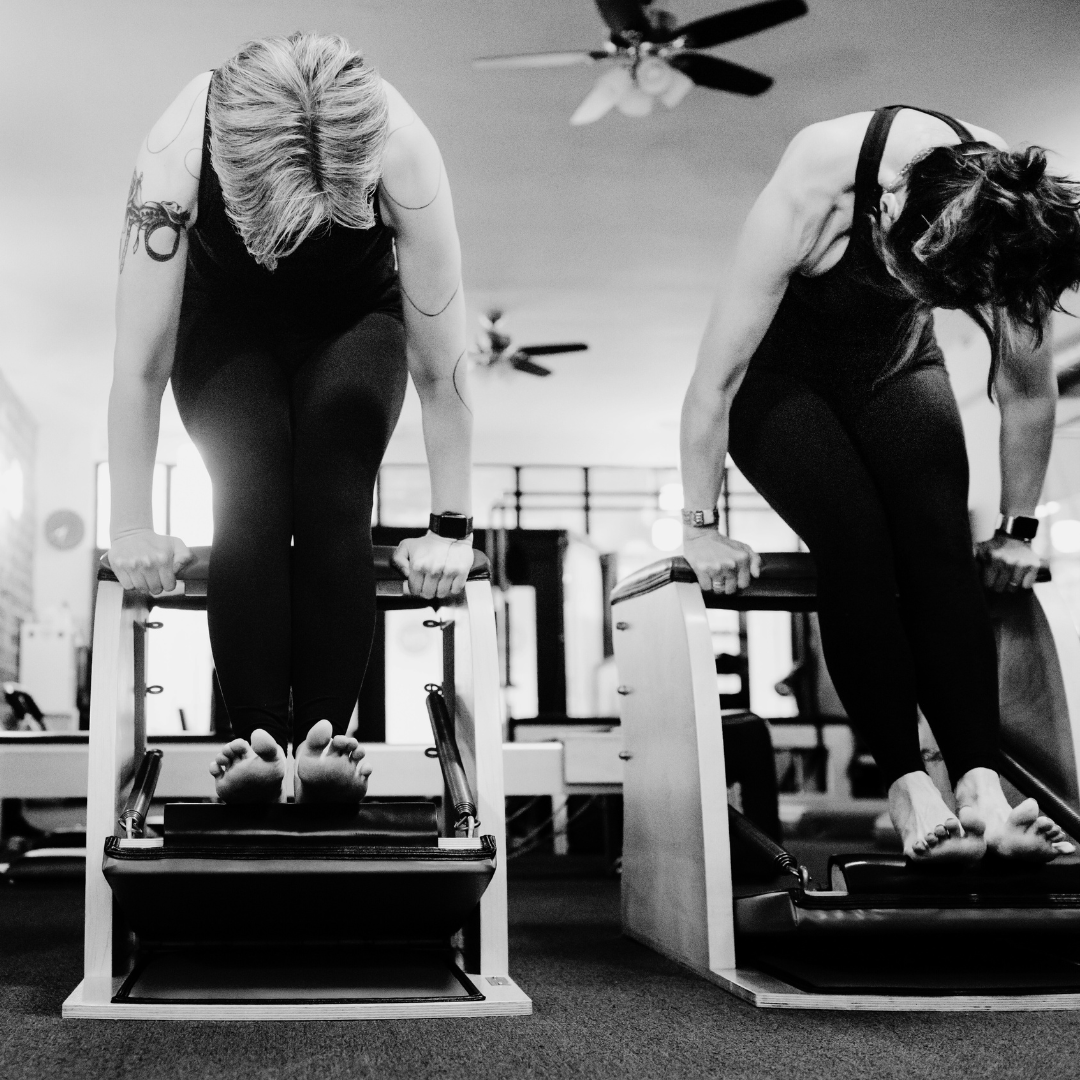
At Urban Pilates, we take a different approach than most studios. We
believe in mastering the fundamentals through private instruction before
joining group classes. This foundation allows you to learn proper form,
understand your body's capabilities, and develop the muscle memory you need
to succeed. Our group classes aren't for beginners—they're designed for
dedicated practitioners who've built a strong base. Once you're ready,
you'll join a supportive community where everyone has prepared the same
way, allowing you to focus on the flow and challenge of your workout rather
than worrying about technique.
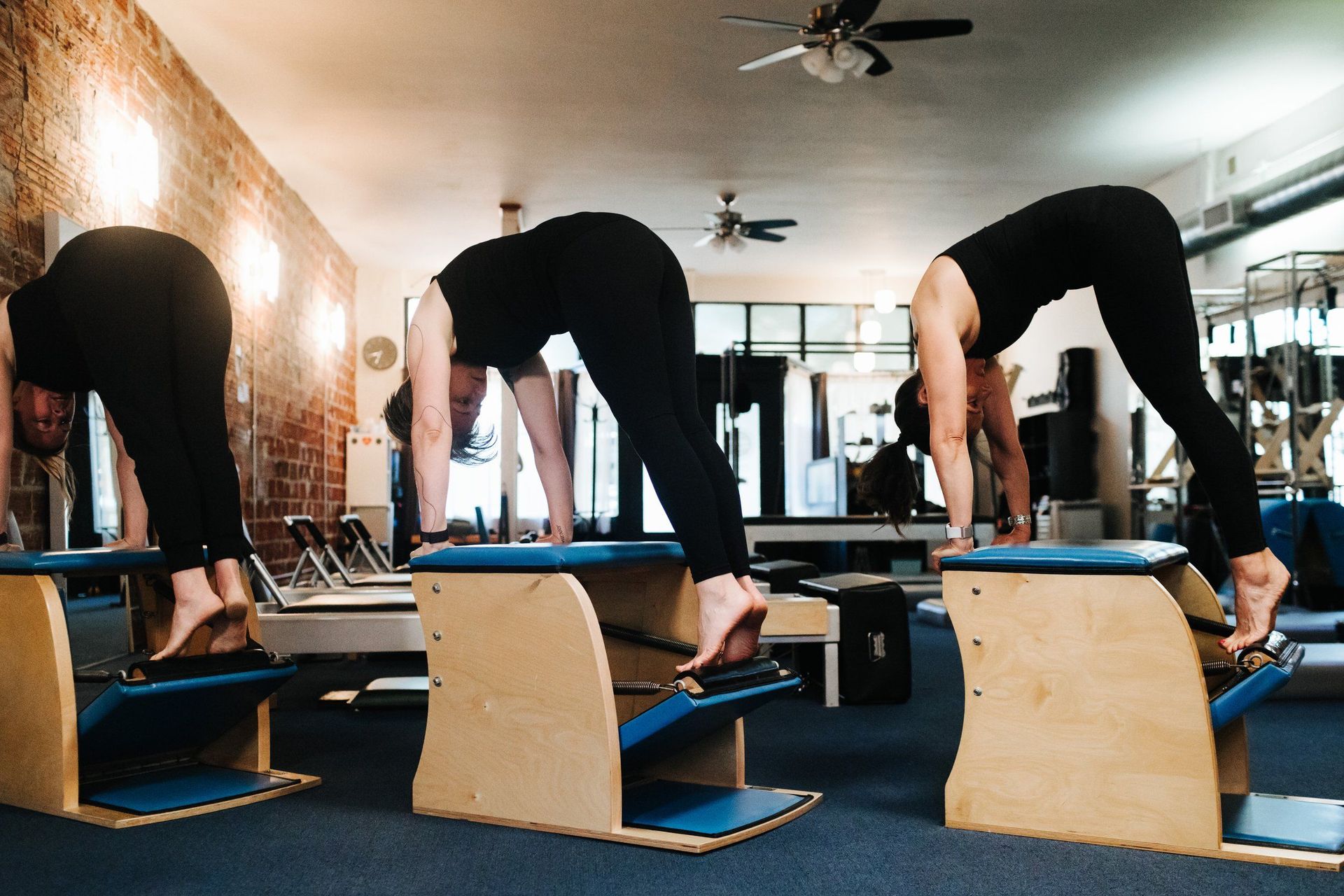
Discover the six fundamental principles that make Classical Pilates a
transformative practice for both body and mind. From Concentration to
Breath, these timeless principles create lasting benefits experienced by
millions worldwide. Learn how they work together to strengthen not just
your muscles, but your resilience, confidence, and body awareness.