The Connection Between the Mind and Body in Classical Pilates

Movement Begins with Attention

The connection between the mind and body is often discussed as though it were an abstract idea, something calm or meditative that happens alongside exercise. In Classical Pilates, it is much more practical than that.

The mind-body connection is the process of directing your full attention toward what your body is doing.

Where does the movement begin? What is supporting you? Are you controlling the apparatus, or is the apparatus controlling you? Are both sides of your body participating equally? Can you maintain the organization of the whole body while one part is moving?

These questions are not separate from the exercise. They are part of the exercise.

Joseph Pilates called his method Contrology, reflecting his belief that the mind should consciously direct the movement of the body. He did not intend his exercises to be performed absentmindedly or through momentum alone. The method asks the practitioner to become an active participant in every movement.


Concentration Changes the Exercise

Two people can perform what appears to be the same exercise and have entirely different experiences.

One person may complete the movement using familiar habits, unnecessary tension, or momentum. Another may perform the same movement while paying careful attention to the position of the pelvis, the reach of the legs, the connection of the arms into the back, and the response of the springs.

The external shape may look similar, but the internal organization is different.

Concentration helps you notice these distinctions. It allows you to recognize when the shoulders are taking over, when the center has stopped supporting the movement, or when one side of the body is working harder than the other.

This awareness gives you the opportunity to make a change.

That is one of the essential differences between simply repeating an exercise and practicing Pilates. Repetition alone does not necessarily improve movement. Repetition with attention gives the body a chance to learn.


The Apparatus Provides Information

The Classical Pilates apparatus is particularly valuable because it gives immediate feedback.

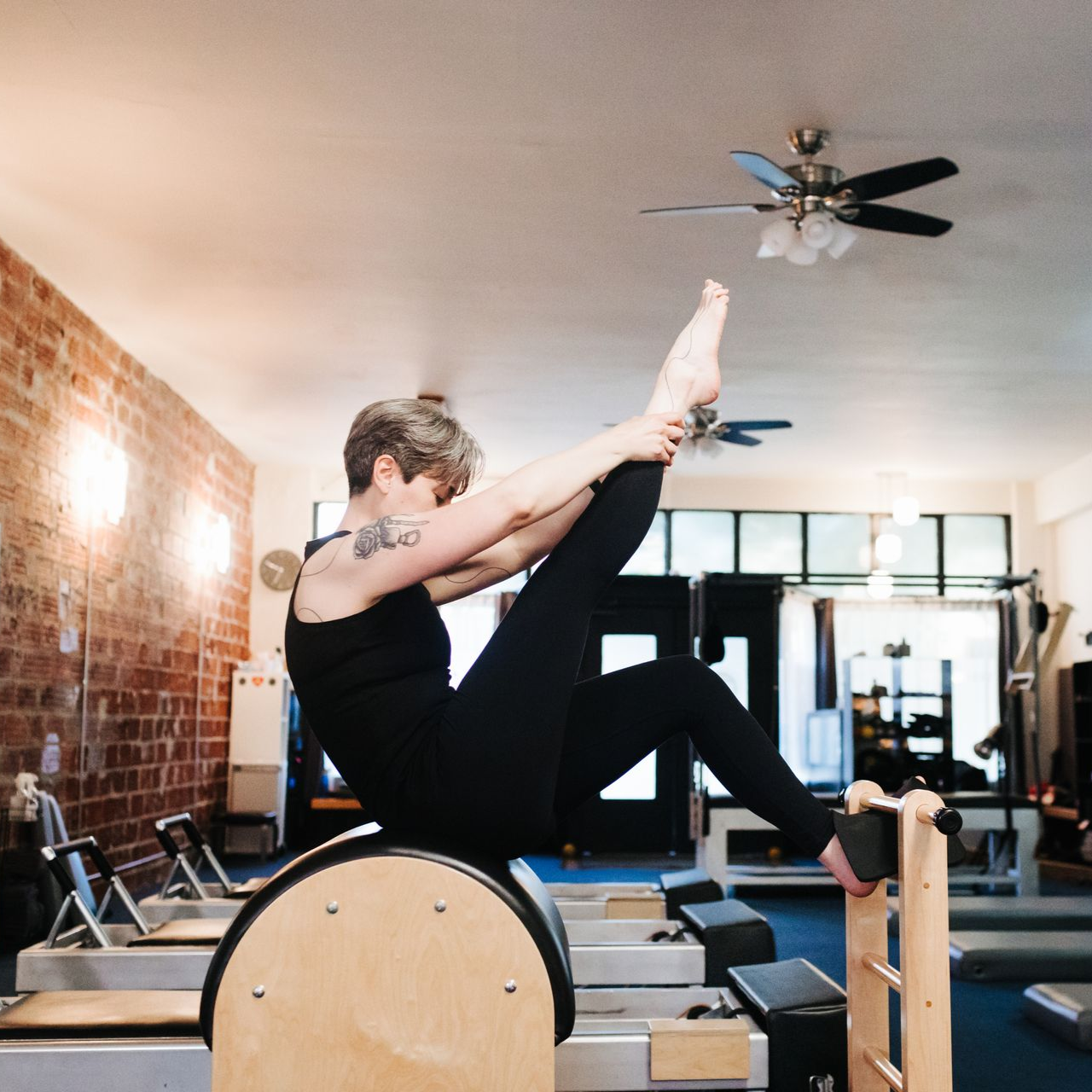
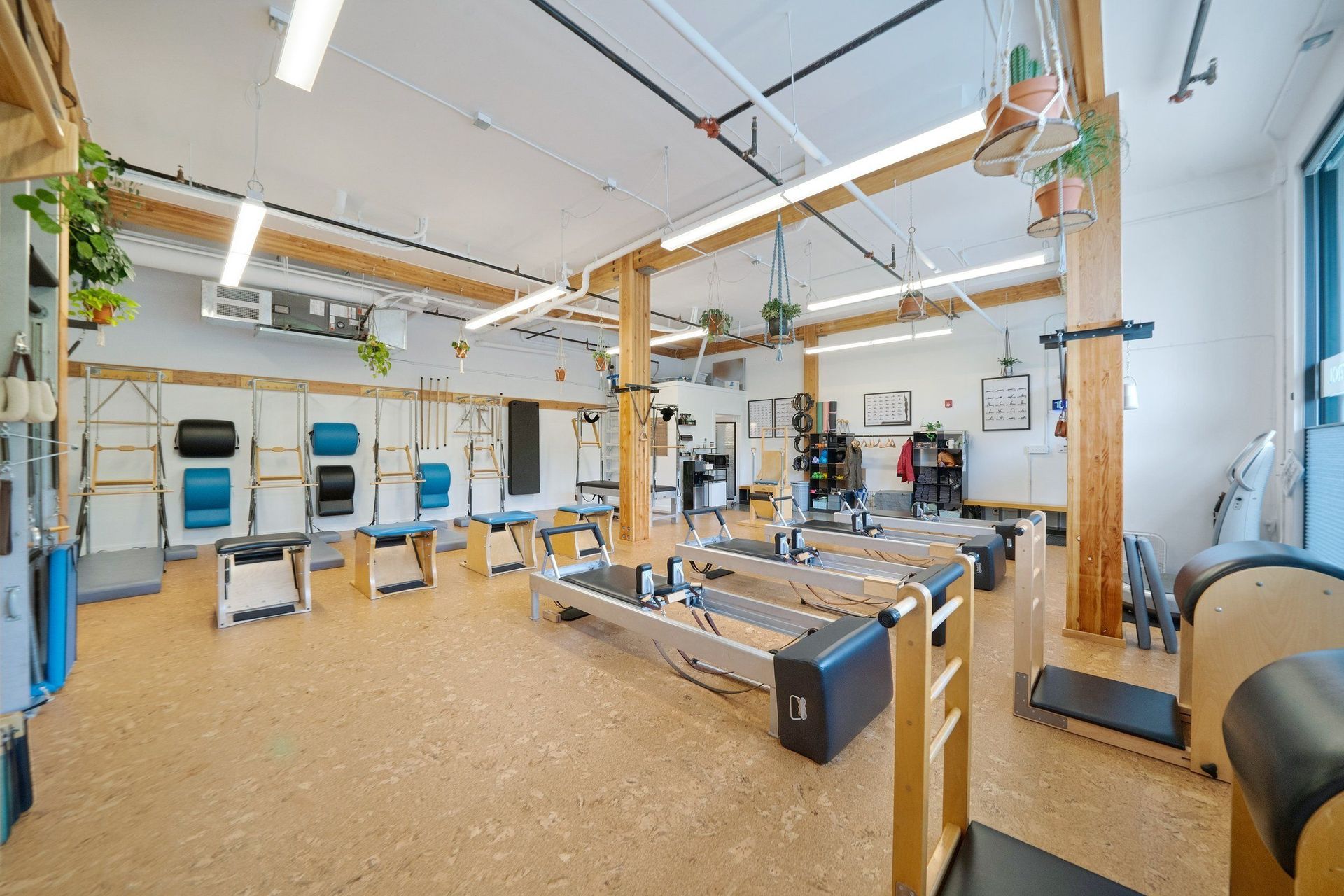
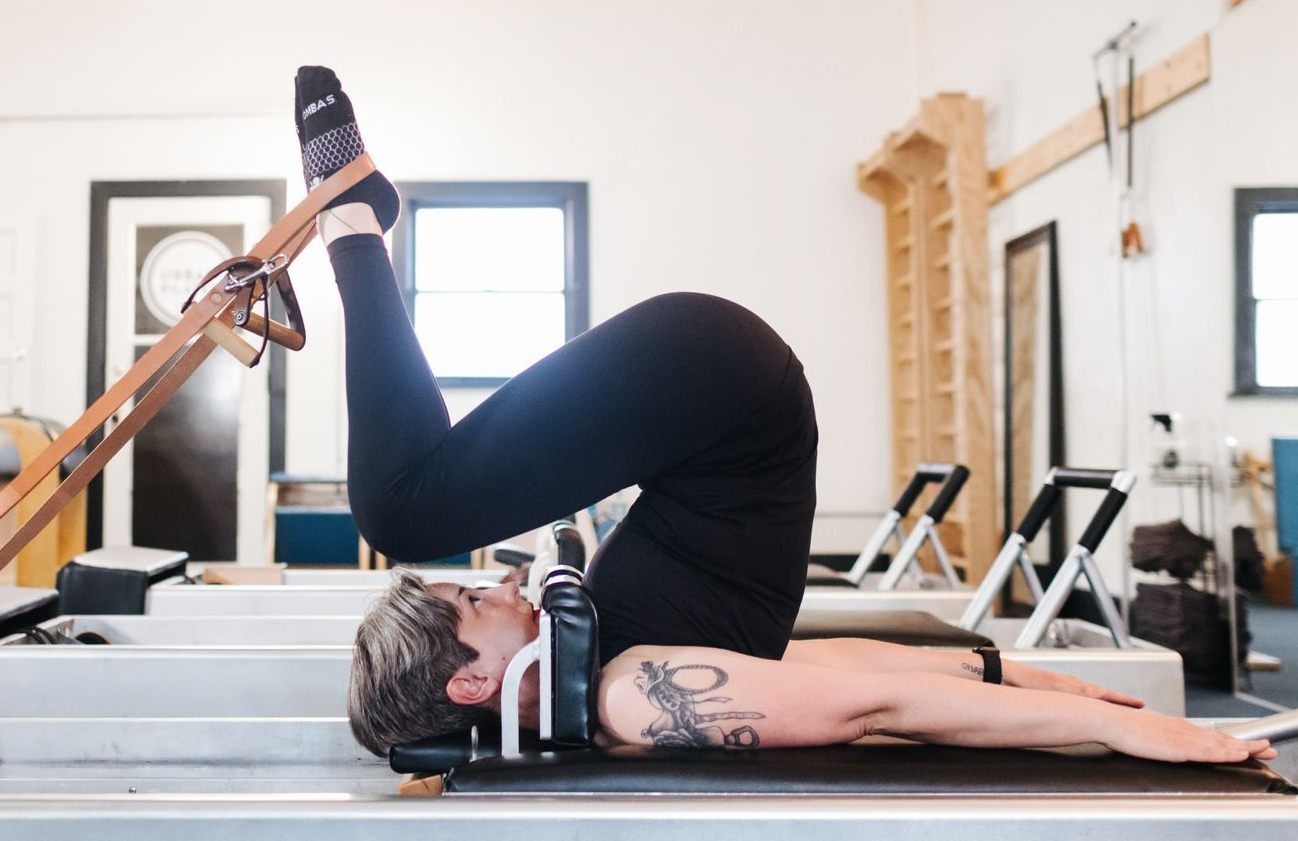
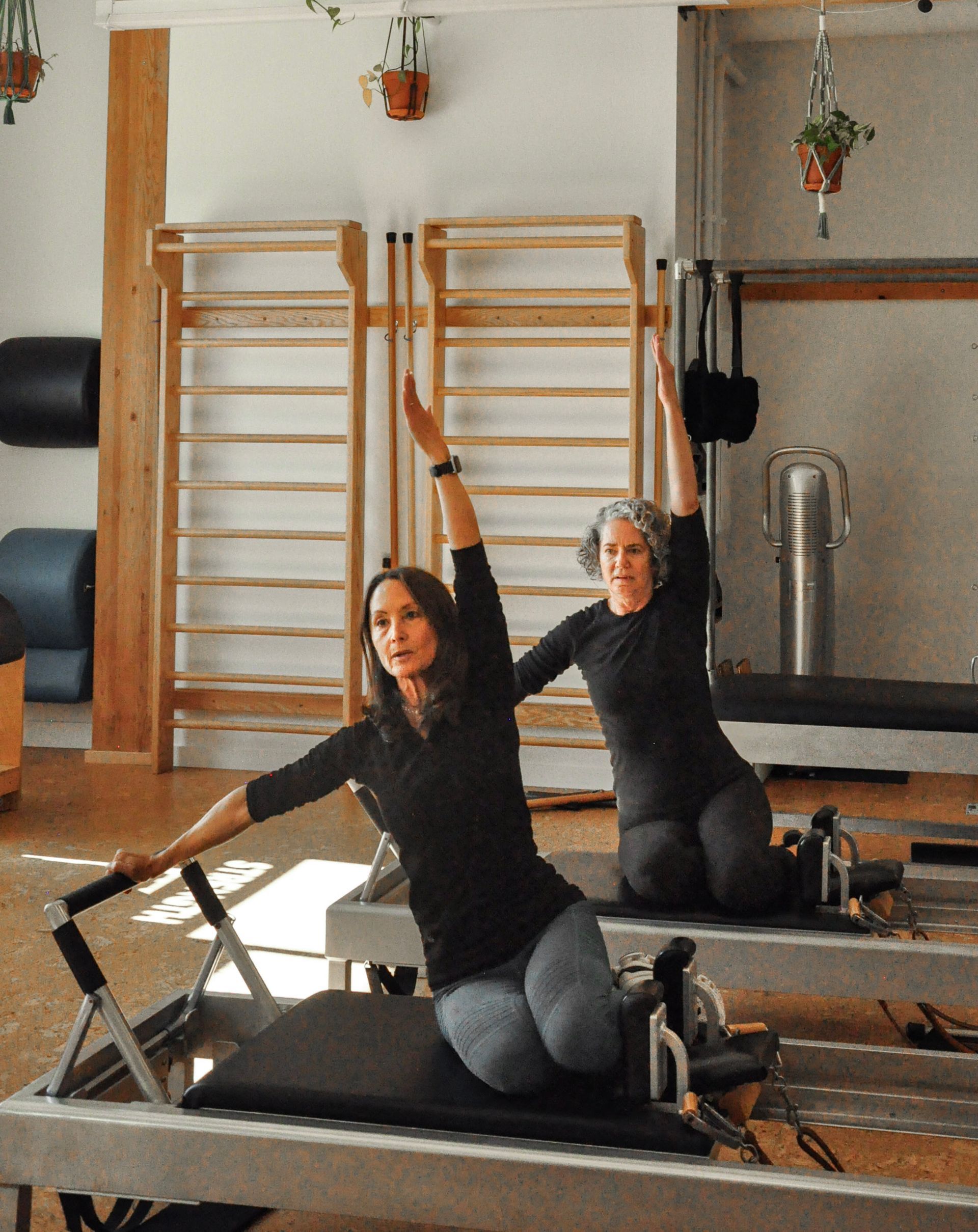
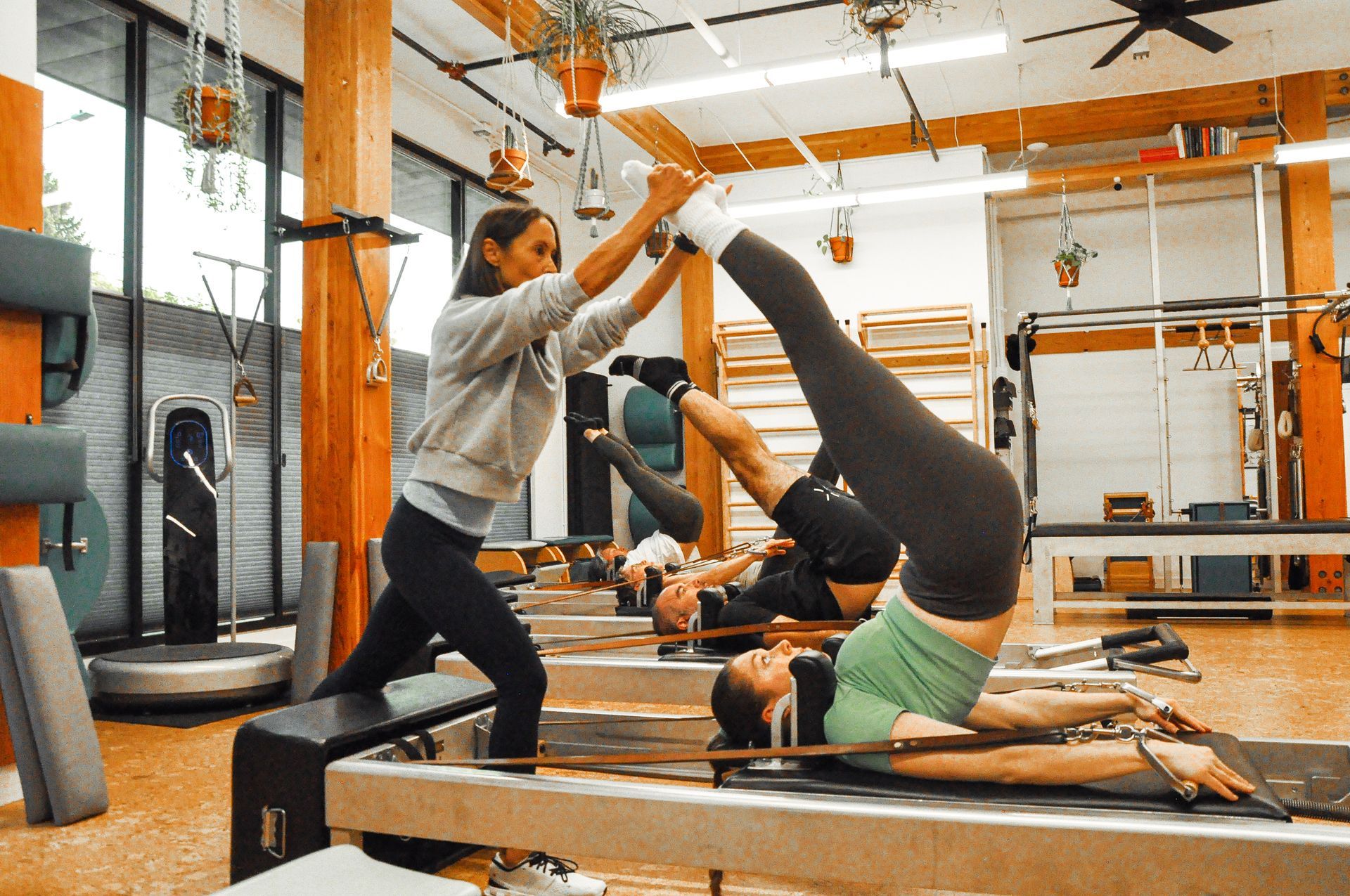
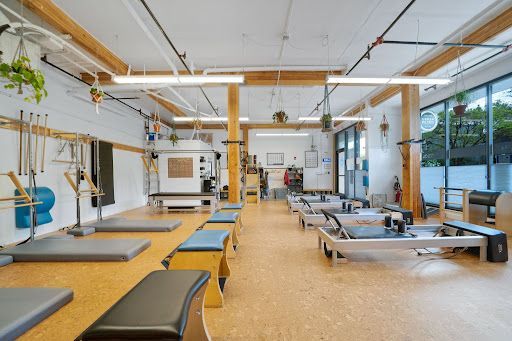
The springs respond to the way you move. They may reveal that you are pushing more strongly through one leg, losing control at the end of a movement, or failing to connect the arms into the back. The moving carriage of the Reformer makes changes in rhythm and control visible. The stability of the Cadillac may allow you to study a movement more closely. The Chairs ask you to organize your body over a smaller and often less forgiving base of support.

The apparatus does not simply add resistance. It creates a conversation between your body and the equipment.

When you push against a spring, the spring pushes back. Your job is to listen to that information and respond intelligently.

Over time, you begin to feel the difference between forcing the apparatus and working in partnership with it.


From Conscious Thought to Physical Understanding

When you first learn an exercise, it may require a great deal of thought.

You may need to remember where to place your hands, when to move the carriage, how to coordinate the legs, and what the teacher has asked you to correct. At first, all this information can feel like a room full of people talking at once.

With consistent practice, the movement becomes more familiar. The instructions begin to settle into the body. You no longer need to think through every step because you have developed a physical understanding of the exercise.

This does not mean that concentration disappears. It becomes more refined.

Instead of concentrating merely on what comes next, you can notice the quality of the movement. You can work with greater rhythm, precision, opposition, and control. Your attention becomes less occupied with remembering the exercise and more available for deepening it.

The mind has helped educate the body, and the body begins to respond with increasing intelligence.


Why Private Instruction Matters

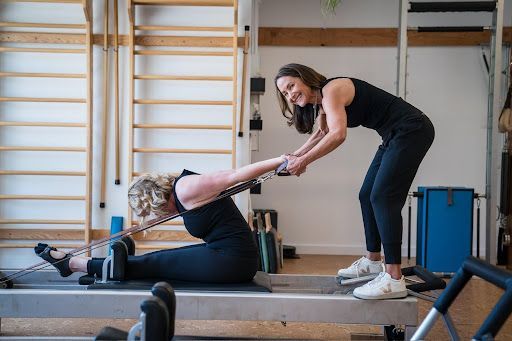
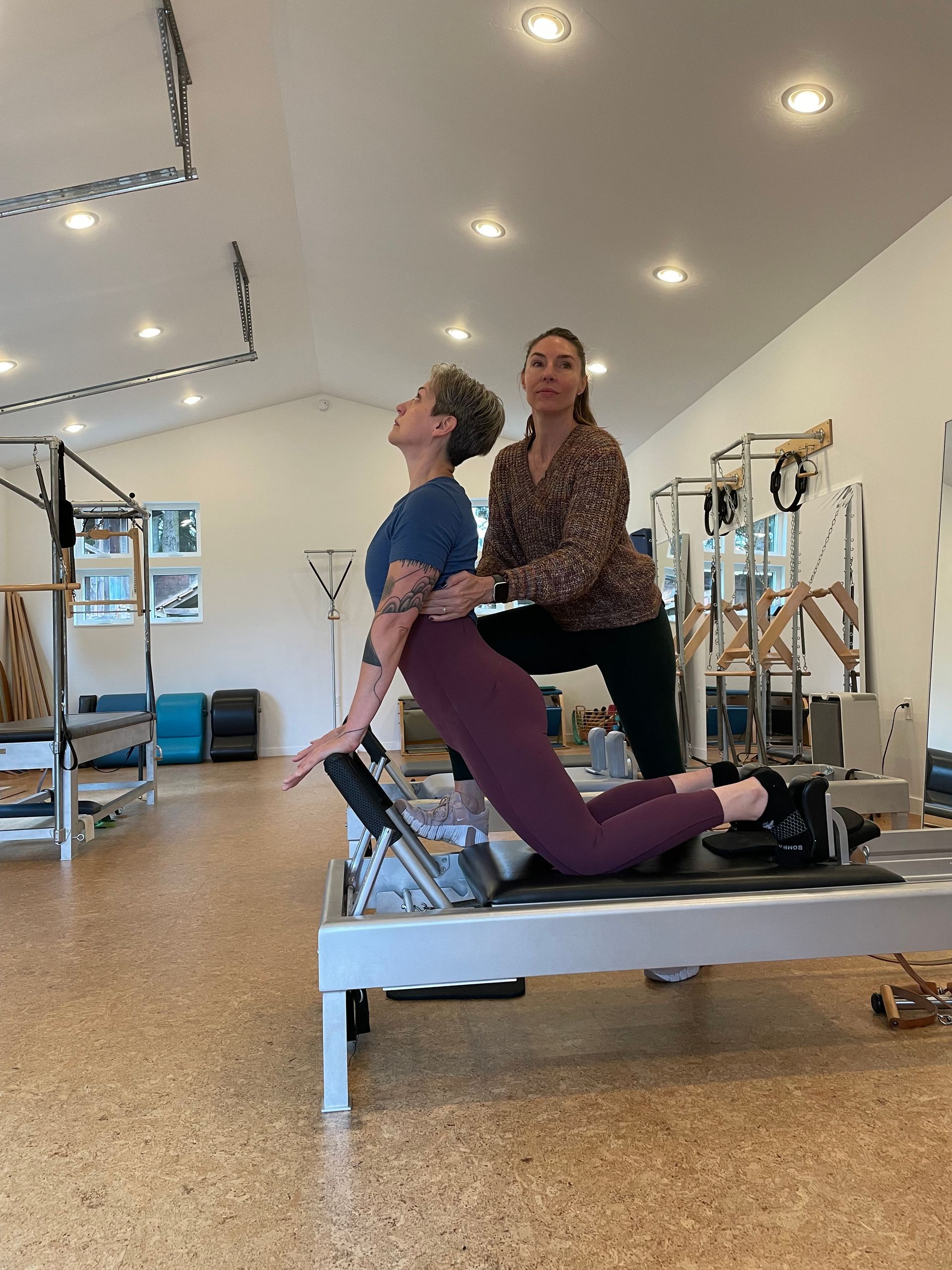
Developing this connection can be difficult without guidance because we cannot always feel our own habits clearly.

What feels centered may not be centered. What feels even may not be even. A movement that feels large and powerful may actually be avoiding the part of the body that needs to participate.

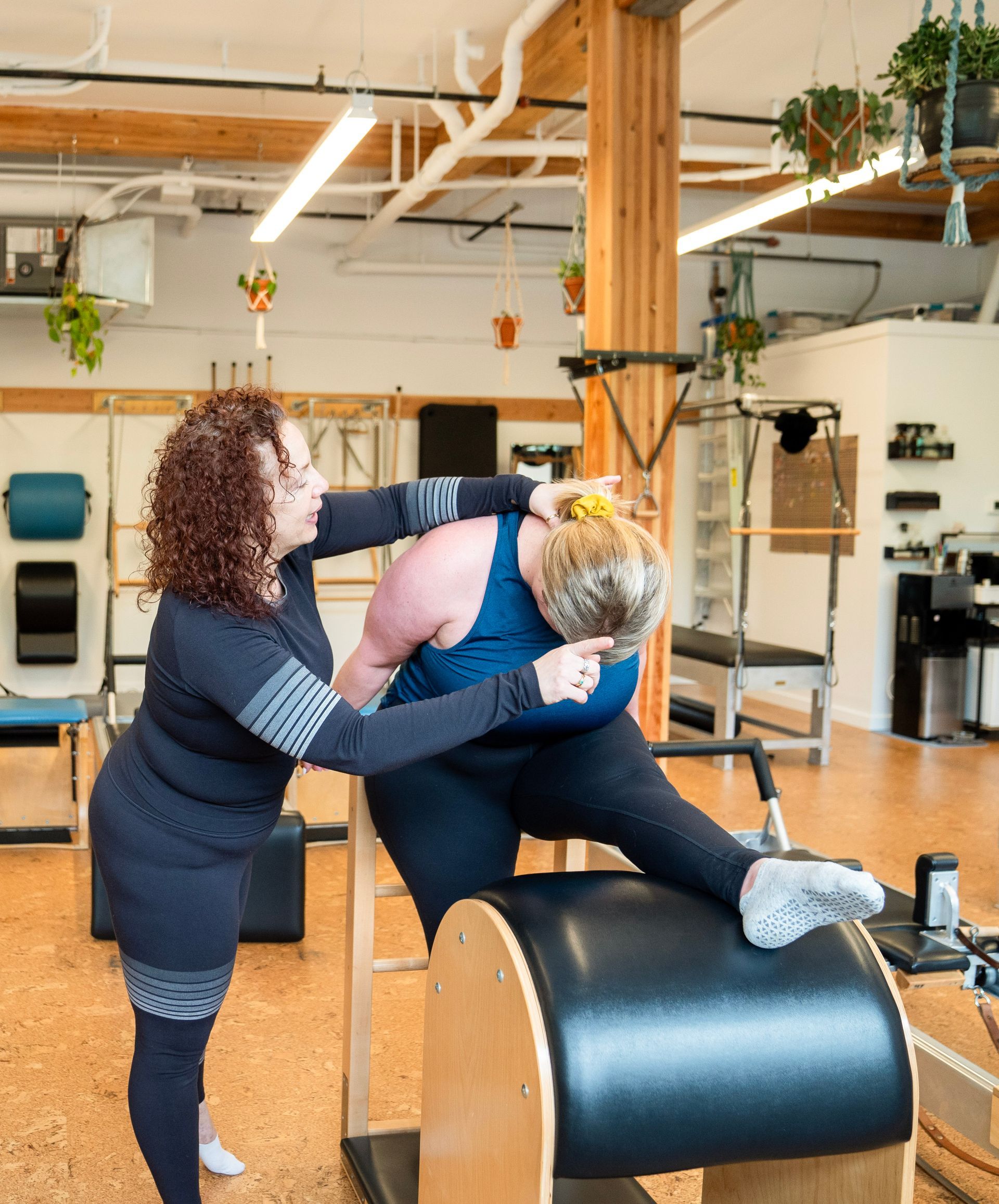
A skilled instructor provides another set of eyes.

The teacher can observe where the movement is coming from, offer a correction, adjust the springs, or choose another exercise that makes the same idea easier to understand. Sometimes a connection that has been difficult to find on the Reformer becomes immediately clear on the Cadillac, Chair, or Mat.

Private instruction allows the teacher to select the language and exercises that speak most clearly to the individual student. The goal is not to make the student dependent upon constant correction. It is to help the student develop greater awareness and eventually recognize these connections independently.


Attention Without Tension

Concentration does not mean approaching every exercise with a furrowed brow and clenched jaw.

Too much mental effort can create physical tension. The breath becomes restricted, the movement becomes cautious, and the body may begin trying to control every inch through stiffness.

The aim is attentive movement, not anxious movement.

As the practice develops, concentration can become steady and spacious. You are fully engaged, but not overwhelmed by detail. You are aware of the whole body while allowing the exercise to move.

This balance takes time. It is one reason Pilates is a practice rather than a collection of positions to master.

Carrying the Connection Beyond the Studio

The mind-body connection developed through Pilates does not have to remain on the apparatus.

You may begin to notice how you sit at your desk, how you carry groceries, how you climb stairs, or how you organize your body before lifting something heavy. You may recognize unnecessary tension sooner or find it easier to correct your posture without forcing yourself into an artificial position.

The goal is not to think about Pilates every moment of the day. It is to develop a body that responds more intelligently because attention has been practiced repeatedly.

That is the deeper value of the mind-body connection. It gives you a clearer relationship with your own movement.


Experience the Mind-Body Connection

The connection between the mind and body is difficult to understand through explanation alone. It becomes meaningful when you feel an exercise change because of where you placed your attention.

To explore Classical Pilates with individualized instruction, schedule a session at urban-pilates.com/schedule or book through the Urban Pilates PDX app.

We look forward to welcoming you into the studio.


Recent Posts

By Dori Lea August 18, 2026
What Makes Classical Pilates Different? Classical Pilates is often described through a familiar group of principles: concentration, control, centering, precision, breath, and flow. These words help us understand the method, but they are not separate techniques that can be added to an exercise one at a time. They are qualities that must work together throughout the entire practice. Joseph Pilates originally called his method Contrology , which he defined as the complete coordination of the body, mind, and spirit. His intention was not simply to create a collection of strengthening exercises. He developed a comprehensive system designed to organize the body, sharpen the mind, improve physical function, and help people move through everyday life with greater vitality. That larger philosophy is at the heart of Classical Pilates.

By Dori Lea July 23, 2026
The Language of Classical Pilates
By Dori Lea July 15, 2026
What is Classical Pilates? A Complete Guide to the Original Method
By Dori Lea June 29, 2026
Separating Fitness Trends from the Classical Method
By Dori Lea June 18, 2026
How Often Should You Practice Pilates? A Beginner's Guide to Building a Sustainable Practice
By Dori Lea May 30, 2026
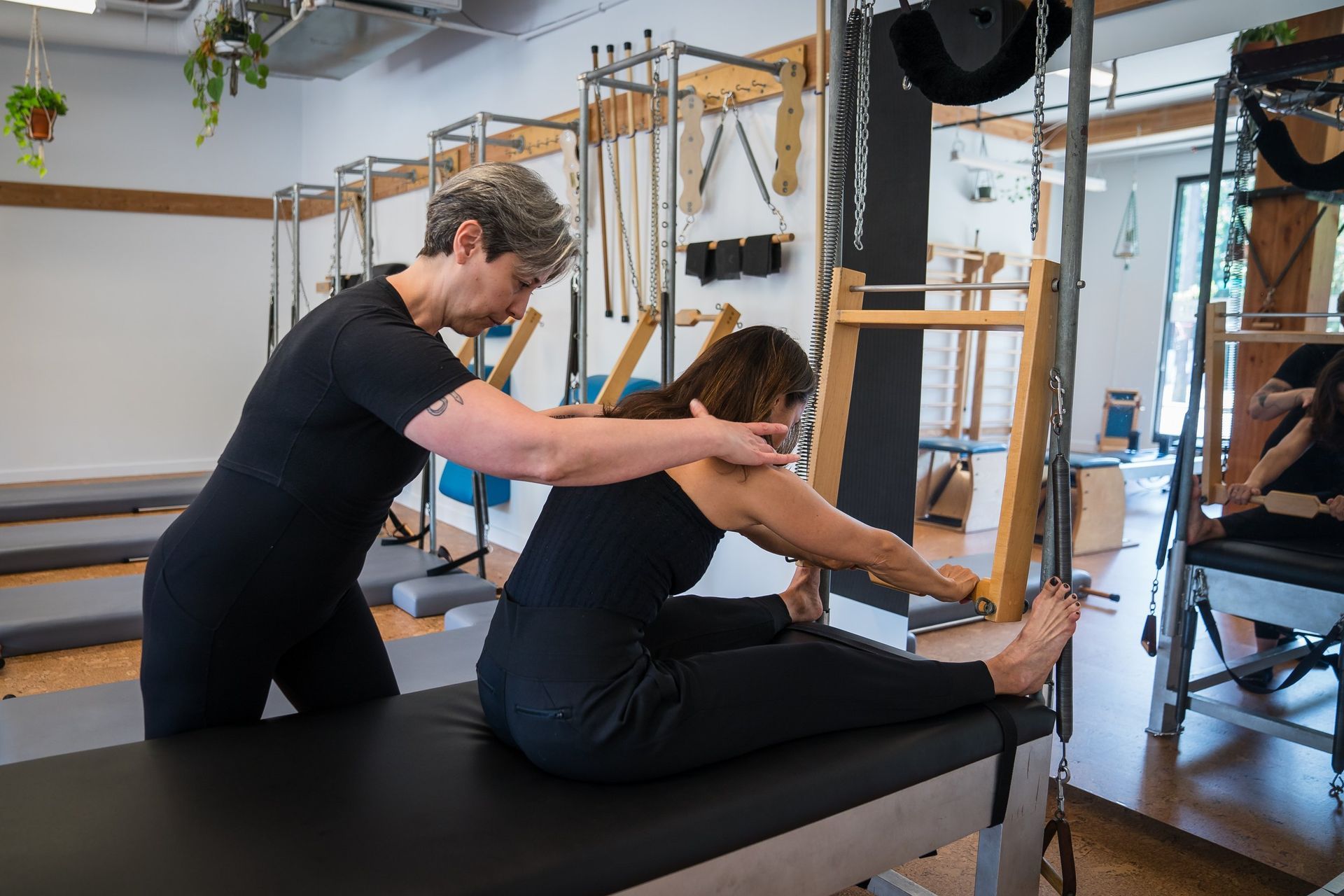
Meeting the Equipment One of the most striking aspects of private instruction is the equipment itself. At Urban Pilates, you'll encounter the Reformer, Cadillac, Wunda Chair, and various smaller apparatus. While these machines might look intimidating at first, they're actually designed to support and challenge your body in the most effective way possible. Your instructor will show you how to use each piece of equipment while adjusting exercises to match your current abilities. The spring tensions on the apparatus are especially helpful here, making any exercise accessible whether you're a complete beginner recovering from an injury or a seasoned professional looking to deepen your practice.
December 17, 2025
At Urban Pilates, we believe that your body deserves the focused attention required to do this practice right. In a one-on-one setting, your instructor observes every movement, catches every compensation pattern, and provides real-time corrections that protect your body and maximize your results. Check out what makes Urban Pilates so unique!
October 15, 2025
At Urban Pilates, we take a different approach than most studios. We believe in mastering the fundamentals through private instruction before joining group classes. This foundation allows you to learn proper form, understand your body's capabilities, and develop the muscle memory you need to succeed. Our group classes aren't for beginners—they're designed for dedicated practitioners who've built a strong base. Once you're ready, you'll join a supportive community where everyone has prepared the same way, allowing you to focus on the flow and challenge of your workout rather than worrying about technique.
October 1, 2025
Discover the six fundamental principles that make Classical Pilates a transformative practice for both body and mind. From Concentration to Breath, these timeless principles create lasting benefits experienced by millions worldwide. Learn how they work together to strengthen not just your muscles, but your resilience, confidence, and body awareness.
September 18, 2025
What started as one man's fight against his own physical limitations became a revolutionary approach to human movement. Joseph Pilates transformed his early health challenges into a method that would help millions build strength from the inside out. In a fitness world often focused on intensity over intelligence, classical Pilates offers something increasingly rare: a time-tested approach that has remained virtually unchanged because it was right from the beginning. At Urban Pilates, our private instruction sessions honor this authentic classical approach while adapting to each person's individual needs, just as Joseph Pilates intended.
Show More